Uncategorized

Dominica – the Nature Island of the Caribbean
DOMINICA – THE NATURE ISLAND OF THE CARIBBEAN

DOMINICA – THE NATURE ISLAND OF THE CARIBBEAN

The Commonwealth of Dominica is an independent island country in the Eastern Caribbean, south of the Leeward Islands. It is the northernmost of the Windward Islands, and should not be confused with the Dominican Republic, the Spanish-speaking Caribbean nation that shares a land border with Haiti. Dominica has a population of nearly 73,000, and its capital is Roseau. Why is Dominica the Nature Island of the Caribbean? It truly lives up to its title because of its unspoiled, natural beauty. The island features rainforests, lush valleys, boiling lakes, hot and cold sulfur springs, volcanic peaks, rivers, waterfalls, and springs at every turn.

Unlike many other Caribbean islands, Dominica has not submitted to mass luxury resort tourism. Instead, it maintains an authentic and intimate atmosphere. As a result, its untouched environment is ideal for nature seekers, hikers, and travellers who want to connect deeply with nature. Although the island has beaches, they are not its main attraction. Due to Dominica’s volcanic makeup, most beaches have black volcanic sand (similar in texture to white sand, but black in colour).

Dominica is among the poorer Caribbean islands and has an agriculture-based economy. It produces and sells bananas, citrus fruits, vegetables, and coconuts, and exports soaps, cocoa, coffee, essential oils, and minerals, electronic equipment, and furniture. Please continue reading to learn more about travelling to Dominica, the Nature Island of the Caribbean.

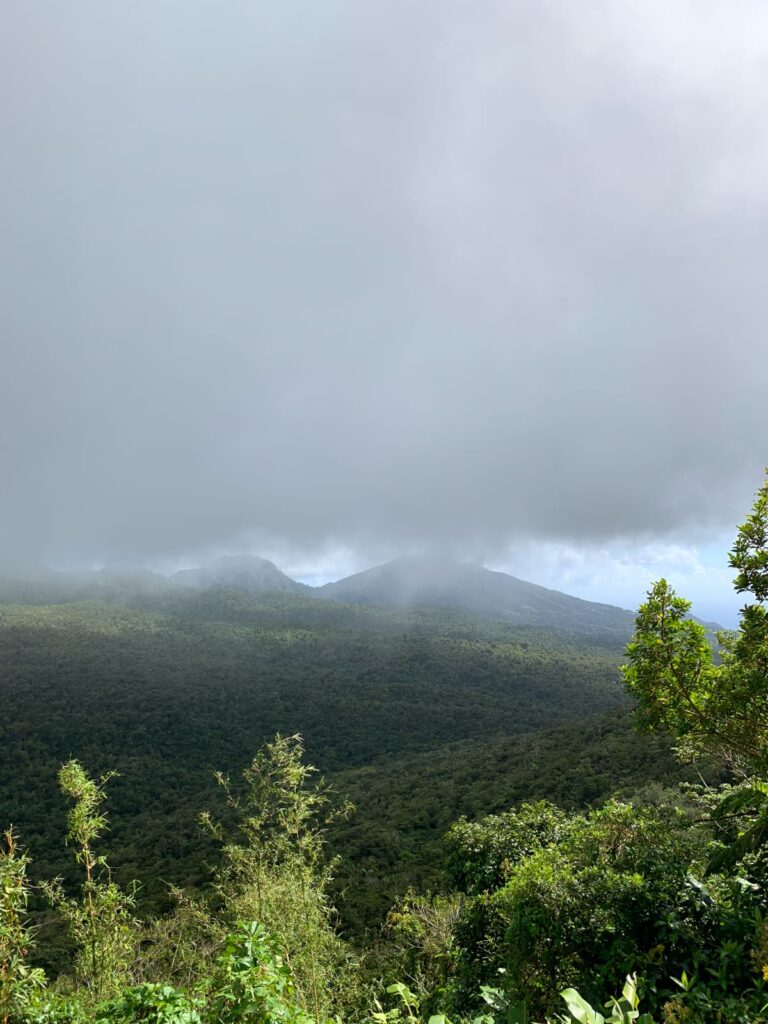
Morne Diablotins. Dominica, the Nature Island of the Caribbean.
Morne Diablotins
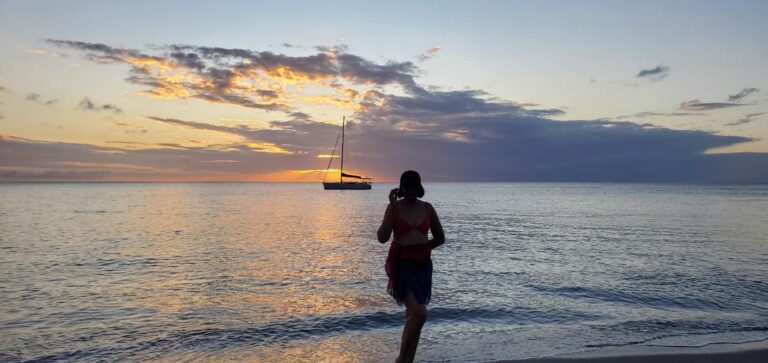
Enjoying sunset at Mero Beach
Sunset at Mero Beach. Dominica, the Nature Island of the Caribbean.
Sunset at Mero Beach

Dominica – the Nature Island of the Caribbean Read More »
MARTINIQUE, THE CARIBBEAN ISLAND OF FLOWERS

MARTINIQUE – THE CARIBBEAN ISLAND OF FLOWERS

MARTINIQUE – THE CARIBBEAN ISLAND OF FLOWERS

Martinique is a French Caribbean island in the Lesser Antilles. It is located precisely in the Windward Islands, between St Lucia and Dominica. Its capital is Fort-de-France, and it has a population of almost 350,000. Moreover, Martinique is known for its pristine beaches, volcanic landscapes, rich history, and its blend of French and Caribbean cultures. Martinique, the Caribbean Island of Flowers, is so named because  its rich volcanic soil and tropical rainfall, create the ideal condition for dense, lush, colourful, and diverse flora to thrive.

Furthermore, the island stands out as one of the Caribbean’s premier destinations because it offers the best of both worlds- modern amenities and pristine, unspoiled nature. Tourism is a primary part of its economy due to its beautiful beaches and natural scenery. In addition, other important industries include rum production, banana farming, sugar cane, and other agricultural products. Please continue reading to learn more about my visit to Martinique – the Caribbean Island of Flowers.

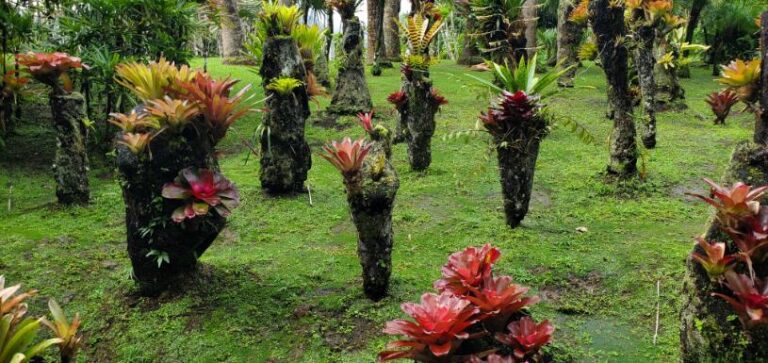
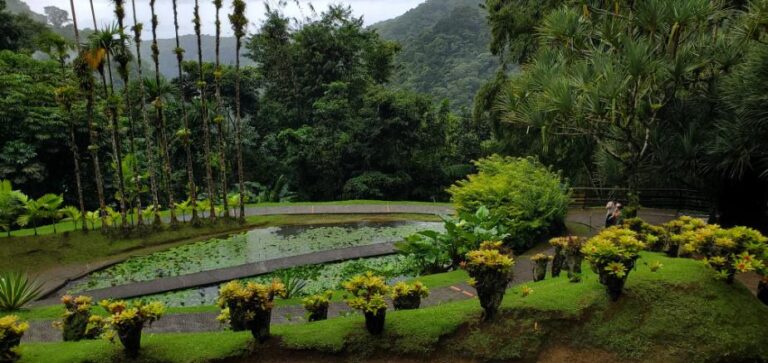
The beautiful flowers at the Balata Garden. Martinique, the Caribbean Island of Flowers
The beautiful flowers at the Balata Garden
The beautiful flowers at the Balata Garden. Martinique, the Caribbean Island of Flowers
The beautiful flowers at the Balata Garden
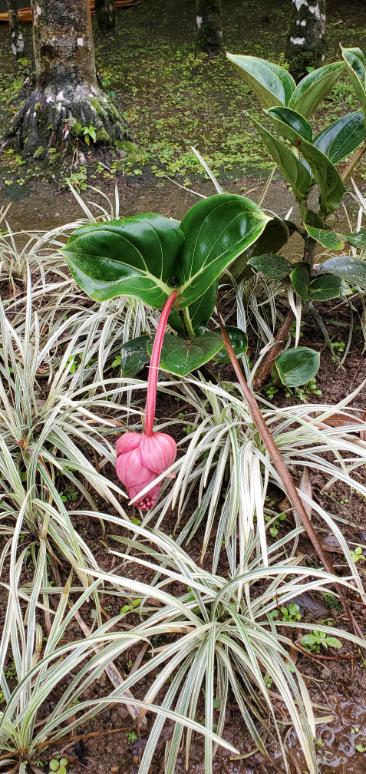
The beautiful flowers at the Balata Garden. Martinique, the Caribbean Island of Flowers
The beautiful flowers at the Balata Garden
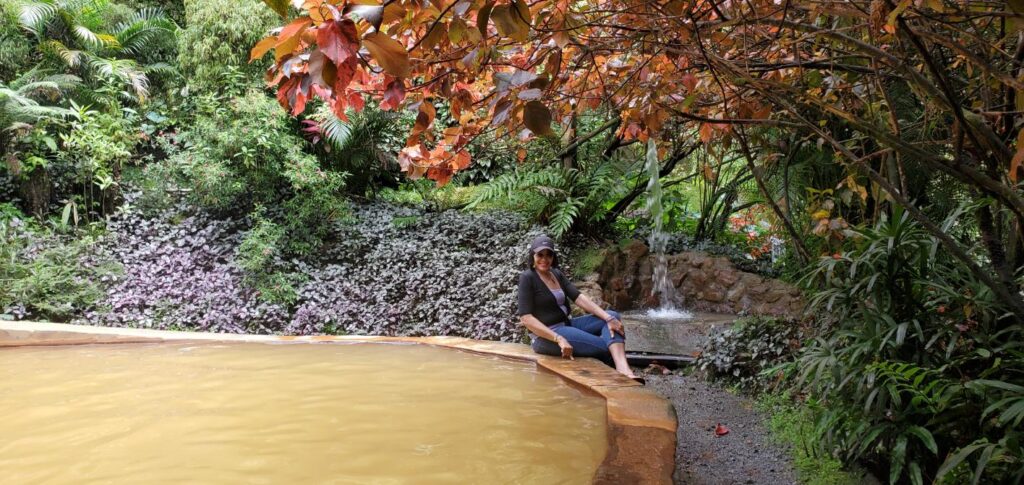
Enjoying the lush greenery at the Balalta Gardens
The beautiful flowers at the Balata Garden. Martinique, the Caribbean Island of Flowers
The beautiful flowers at the Balata Garden

MARTINIQUE, THE CARIBBEAN ISLAND OF FLOWERS Read More »
Tajikistan, the Smallest Country in Central Asia

TAJIKISTAN - THE SMALLEST COUNTRY IN CENTRAL ASIA

TAJIKISTAN - THE SMALLEST COUNTRY IN CENTRAL ASIA

The Republic of Tajikistan is a country in the heart of Central Asia. Its capital and most popular city is Dushanbe. Surrounding Tajikistan are countries like China, Uzbekistan, Kyrgyzstan, and Afghanistan. Although Tajikistan is the smallest country in Central Asia by landmass, with a population of over 10 million people, it is not the smallest by population of the five Central Asian countries.
The vast majority of Tajikistanis are Muslim, and there is a small percentage of Christians who are predominantly Russians.
Tajikistan’s economy depends on agriculture and services, and each employs more than two-fifths of the labour force. Moreover, it is the most mountainous country in Central Asia. Besides its rugged terrain, it is best known for its natural resources and vast freshwater reserves. Tajikistan also produces aluminium and cotton, which are its main export commodities.  Additionally, it exports vegetable oil, almonds, dried apricots, grapes, cotton, textiles, etc.  Read on for a general view of Tajikistan, the Smallest Country in Central Asia.

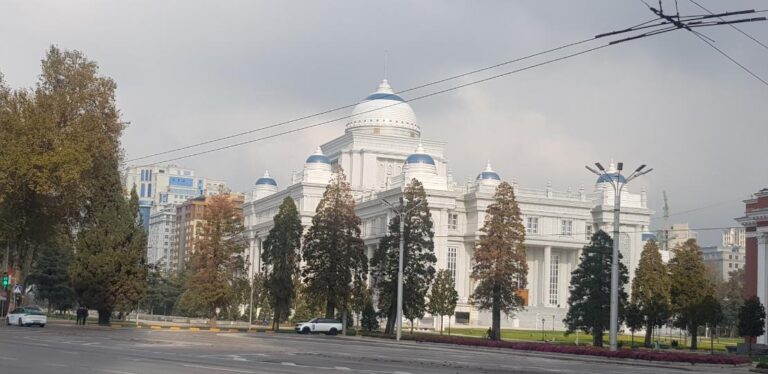
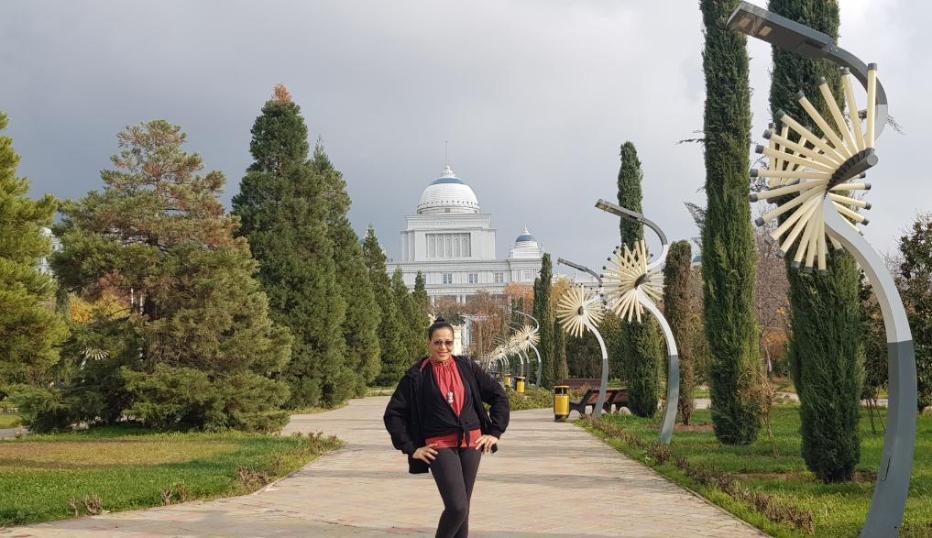
The new parliament building of Tajikistan (aka the White house of Tajikistan). Tajikistan, the Smallest Country in Central Asia
The new parliament building of Tajikistan (aka the White house of Tajikistan)
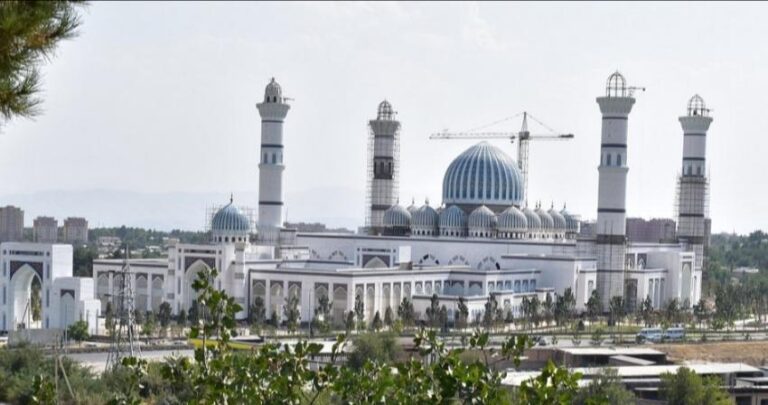
The Imam Azam Mosque or the Grand Mosque (biggest Mosque in Tajikistan and second-biggest in Central Asia). Tajikistan, the Smallest Country in Central Asia
The Imam Azam Mosque or the Grand Mosque (biggest Mosque in Tajikistan and second-biggest in Central Asia)
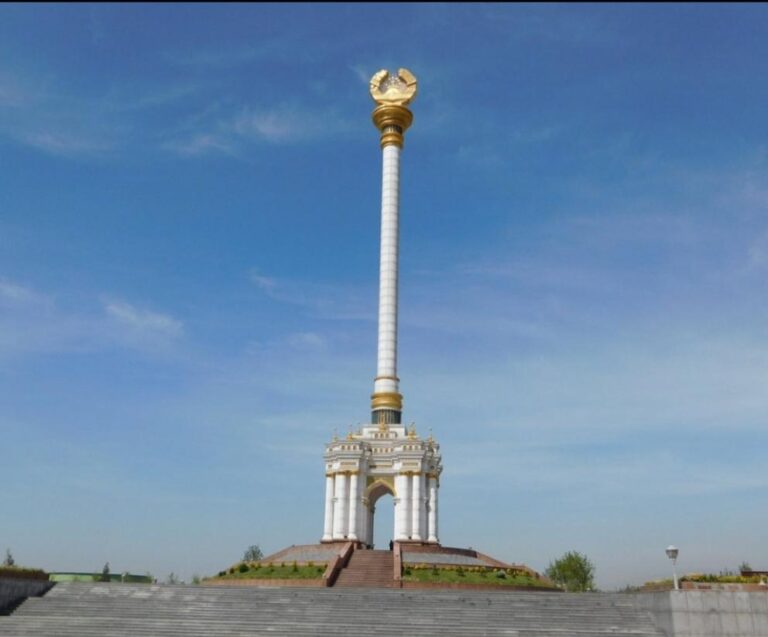
The Stele with Emblem of Tajikistan. Tajikistan, the Smallest Country in Central Asia
The Stele with Emblem of Tajikistan

Tajikistan, the Smallest Country in Central Asia Read More »