safe countries

Grenada – The Spice Isle of the Caribbean
*******FOR THE LOVE OF TRAVEL********

GRENADA – THE SPICE ISLE OF THE CARIBBEAN

GRENADA – THE SPICE ISLE OF THE CARIBBEAN

Grenada is an independent, tri-island nation in the West Indies. It is at the southeastern part of the Caribbean Sea, with its closest neighbouring countries being Trinidad and Tobago, Venezuela, and St. Vincent and the Grenadines. Grenada’s capital is St. George’s, and the country’s entire population is approximately 117,000. Moreover, Grenada officially comprises three islands: the main island of Grenada, Carriacou, and Petite Martinique. While these are the core islands, there are several other tiny uninhabited islands and cays, all of which are part of the Lesser Antilles Archipelago.

The country’s economy is based on tourism, agriculture, and a lucrative, million-dollar fishing industry, with Tuna as its main fish export. Grenada, the Spice Isle of the Caribbean, rightfully deserves its title because of the abundance of spices grown on the island. Its primary agricultural export crops are spices such as nutmeg and mace (the red outer part of the nutmeg). Its other significant exports include: citrus fruits, cocoa beans, bananas, cinnamon, and cloves.

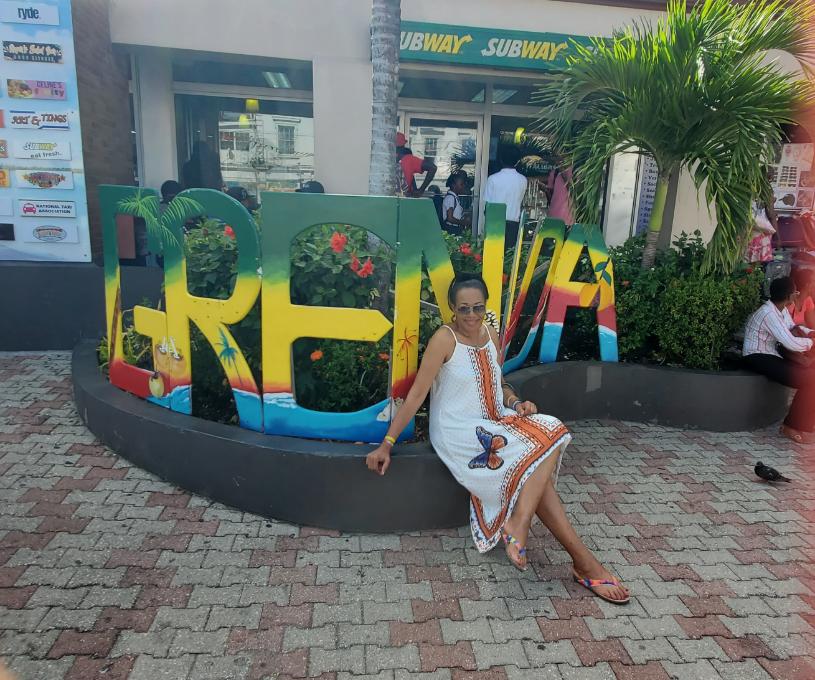
At the Carenage Marina
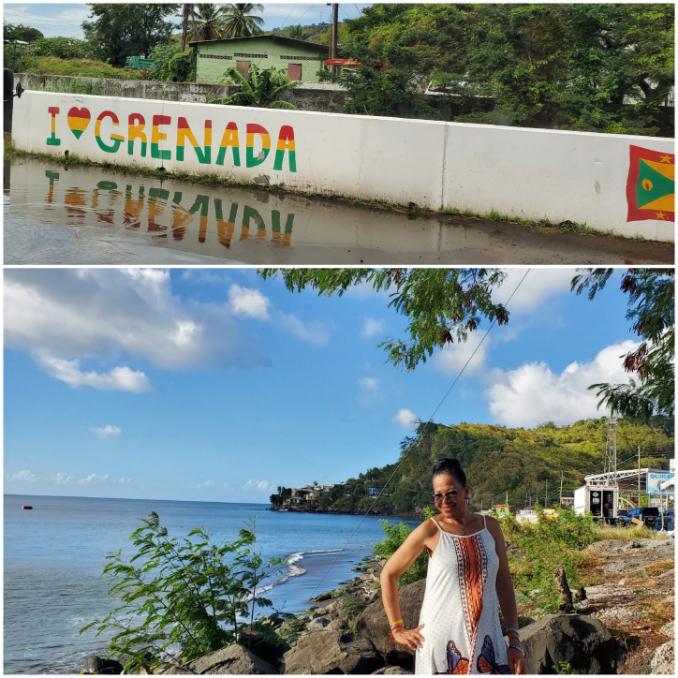
Soaking up the peacefulness of the island of Carriacou

Furthermore, Grenada’s national flag features a stylized nutmeg (left triangle) symbolic of its main export and status as the Spice Isle of the Caribbean, and even the world. The country is home to picturesque harbours, colourful houses, stunning beaches, rainforests, and waterfalls. Additionally, Grenada boasts its yearly Carnival – Spice Mas, all-inclusive beach resorts, the world’s first underwater Sculpture Park, and its hospitality. Please continue reading to learn more about my visit to Grenada, the Spice Isle of the Caribbean.

Grenada – The Spice Isle of the Caribbean Read More »

GUYANA – THE LAND OF MANY WATERS

*******FOR THE LOVE OF TRAVEL********

GUYANA - THE LAND OF MANY WATERS

GUYANA - THE LAND OF MANY WATERS

The Co-operative Republic of Guyana (formerly British Guiana pre-independence) is a country on the northern coast of South America. Geographically, it is bordered by the Atlantic Ocean to the north, Brazil to the south/southwest, Suriname to the east, and Venezuela to the west. Guyana’s population is almost 800,000, and its capital is Georgetown.

It is considered one of the world’s most diverse countries because it is multi-ethnic, comprising a mixture of Chinese, Indian, African, European, and indigenous peoples. Guyana, the land of Many Waters, was so-named “Guiana” (an Amerindian word) by the indigenous people, which means “Land of Many Waters” because of its numerous major watercourses (waterfalls, lakes, and rivers such as the Essequibo, Demerara, Berbice, and Corentyne) and its world-famous Kaieteur Falls, the world’s largest single-drop waterfall, by volume,

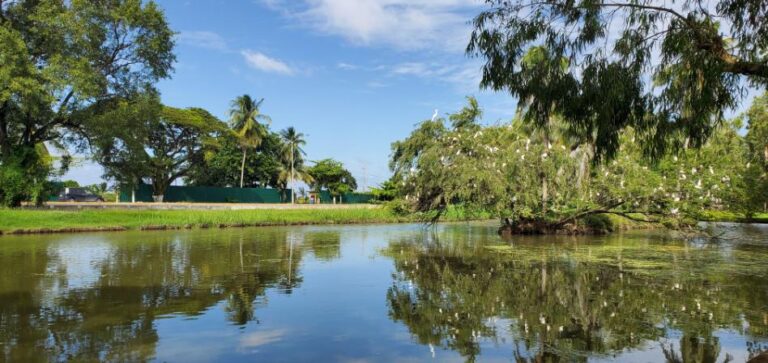
Ponds at Guyana National Park, with trees covered by white birds- Guyana. Guyana, the Land of Many Waters
Ponds at Guyana National Park, with trees covered by white birds
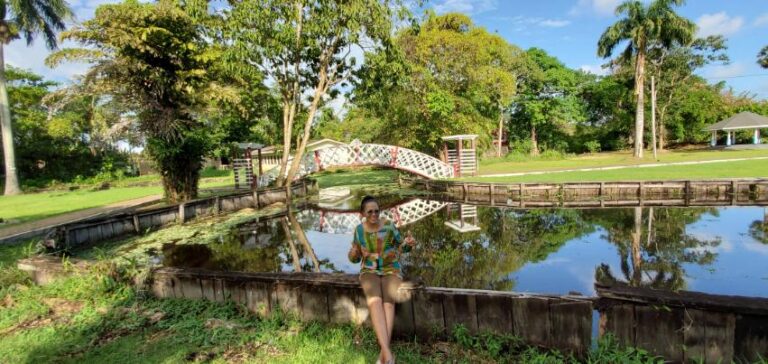
Enjoying the scenery of the Kissing Bridge (Botanical . Gardens) - GeorgetownGuyana, the Land of Many Waters
Enjoying the scenery of the Kissing Bridge (Botanical Gardens)

Guyana is known for its rich natural resources, diverse wildlife, and rich cultural heritage. It was once heavily dependent on forests, sugar cane, rice, bauxite, timber, and gold, all of which continue to be major exports. However, the country’s economy was revitalized by the discovery of deep-water oil fields in 2015, and this has led the country to have the fastest-growing economy in the world. Presently, its major money earner is mineral fuels, particularly crude petroleum. Please continue reading to learn more about my visit to Guyana, the Land of Many Waters.

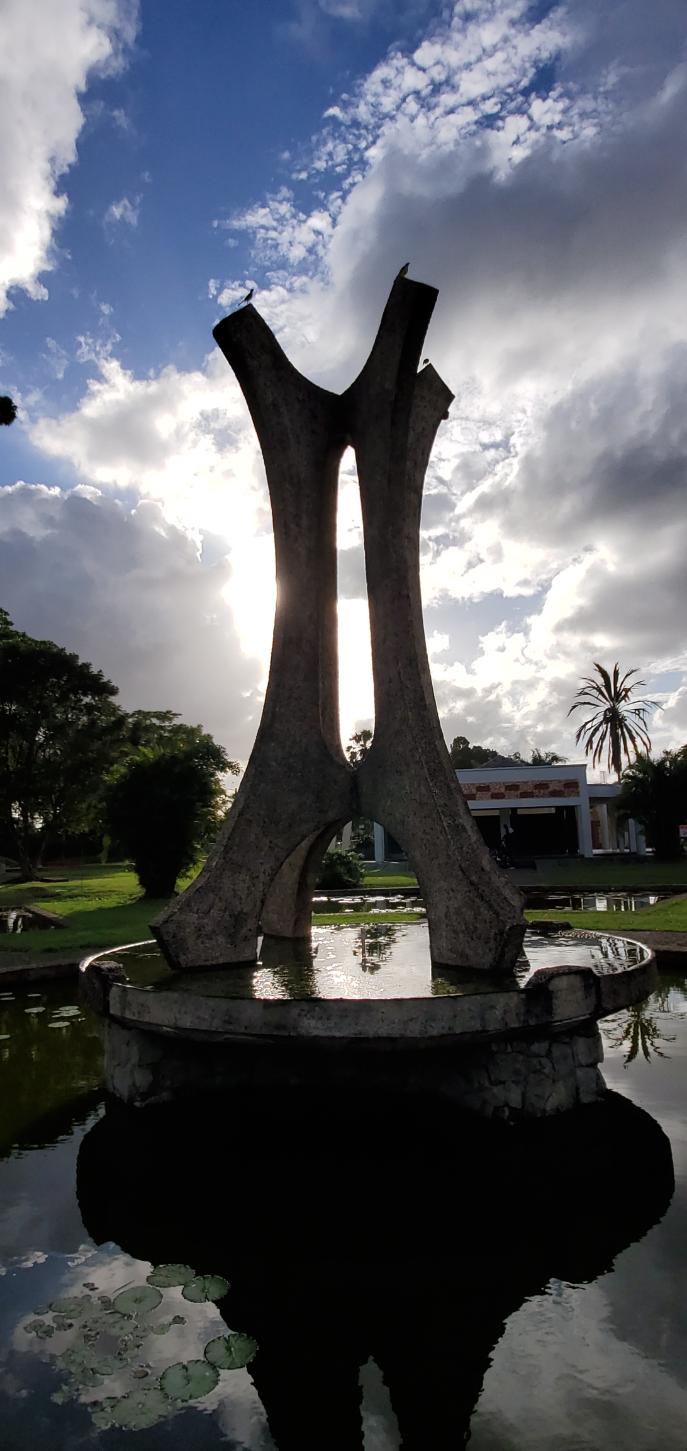
The Seven Ponds Monument (Botanical Gardens).
The Seven Ponds Monument (Botanical Gardens)

GUYANA – THE LAND OF MANY WATERS Read More »
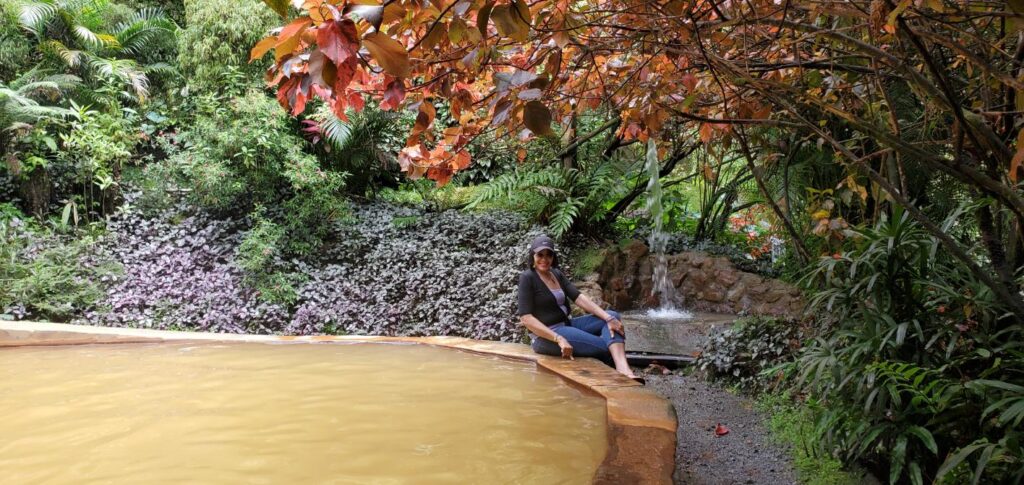
Dominica – the Nature Island of the Caribbean

DOMINICA – THE NATURE ISLAND OF THE CARIBBEAN

DOMINICA – THE NATURE ISLAND OF THE CARIBBEAN

The Commonwealth of Dominica is an independent island country in the Eastern Caribbean, south of the Leeward Islands. It is the northernmost of the Windward Islands, and should not be confused with the Dominican Republic, the Spanish-speaking Caribbean nation that shares a land border with Haiti. Dominica has a population of nearly 73,000, and its capital is Roseau. Why is Dominica the Nature Island of the Caribbean? It truly lives up to its title because of its unspoiled, natural beauty. The island features rainforests, lush valleys, boiling lakes, hot and cold sulfur springs, volcanic peaks, rivers, waterfalls, and springs at every turn.

Unlike many other Caribbean islands, Dominica has not submitted to mass luxury resort tourism. Instead, it maintains an authentic and intimate atmosphere. As a result, its untouched environment is ideal for nature seekers, hikers, and travellers who want to connect deeply with nature. Although the island has beaches, they are not its main attraction. Due to Dominica’s volcanic makeup, most beaches have black volcanic sand (similar in texture to white sand, but black in colour).

Dominica is among the poorer Caribbean islands and has an agriculture-based economy. It produces and sells bananas, citrus fruits, vegetables, and coconuts, and exports soaps, cocoa, coffee, essential oils, and minerals, electronic equipment, and furniture. Please continue reading to learn more about travelling to Dominica, the Nature Island of the Caribbean.

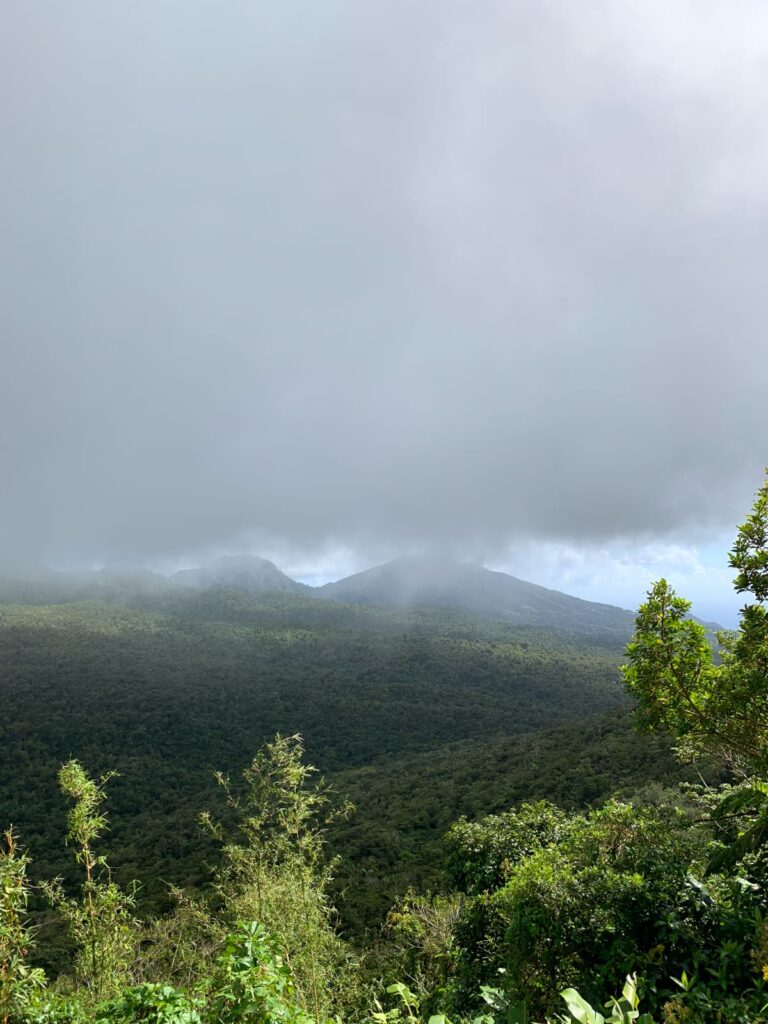
Morne Diablotins. Dominica, the Nature Island of the Caribbean.
Morne Diablotins
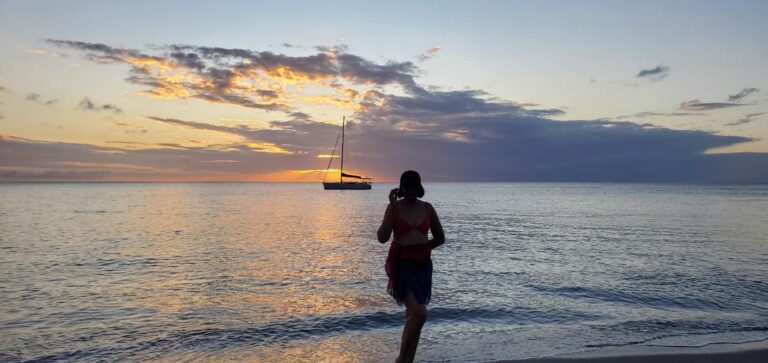
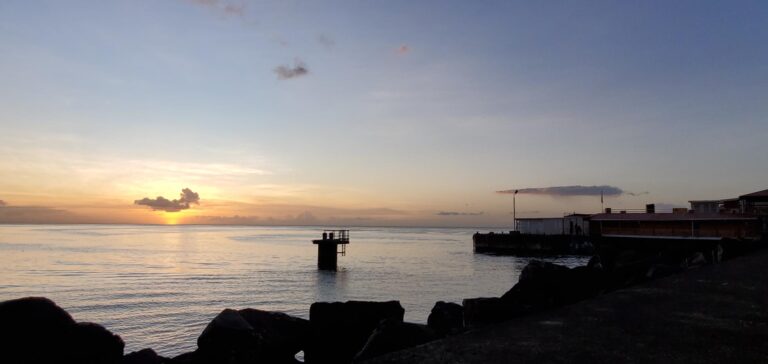
Enjoying sunset at Mero Beach
Sunset at Mero Beach. Dominica, the Nature Island of the Caribbean.
Sunset at Mero Beach

Dominica – the Nature Island of the Caribbean Read More »
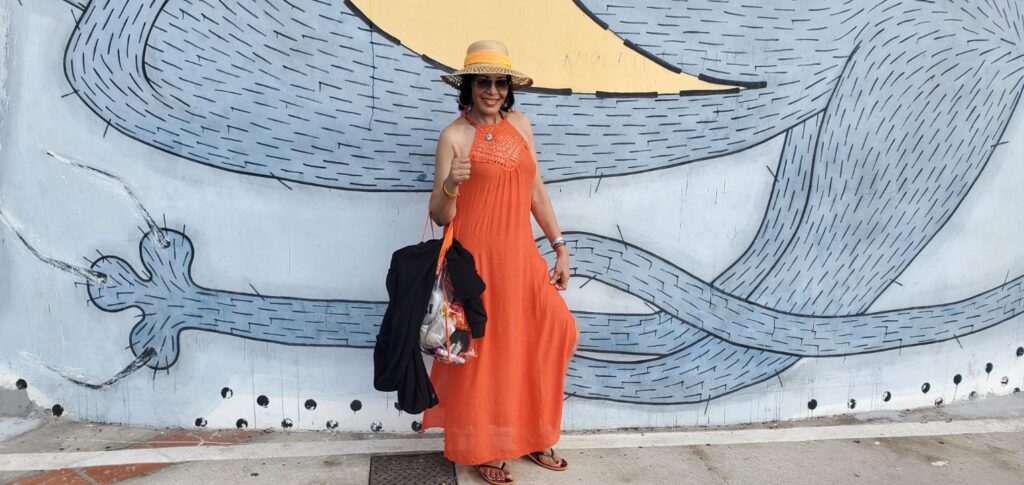
MARTINIQUE, THE CARIBBEAN ISLAND OF FLOWERS

MARTINIQUE – THE CARIBBEAN ISLAND OF FLOWERS

MARTINIQUE – THE CARIBBEAN ISLAND OF FLOWERS

Martinique is a French Caribbean island in the Lesser Antilles. It is located precisely in the Windward Islands, between St Lucia and Dominica. Its capital is Fort-de-France, and it has a population of almost 350,000. Moreover, Martinique is known for its pristine beaches, volcanic landscapes, rich history, and its blend of French and Caribbean cultures. Martinique, the Caribbean Island of Flowers, is so named because  its rich volcanic soil and tropical rainfall, create the ideal condition for dense, lush, colourful, and diverse flora to thrive.

Furthermore, the island stands out as one of the Caribbean’s premier destinations because it offers the best of both worlds- modern amenities and pristine, unspoiled nature. Tourism is a primary part of its economy due to its beautiful beaches and natural scenery. In addition, other important industries include rum production, banana farming, sugar cane, and other agricultural products. Please continue reading to learn more about my visit to Martinique – the Caribbean Island of Flowers.

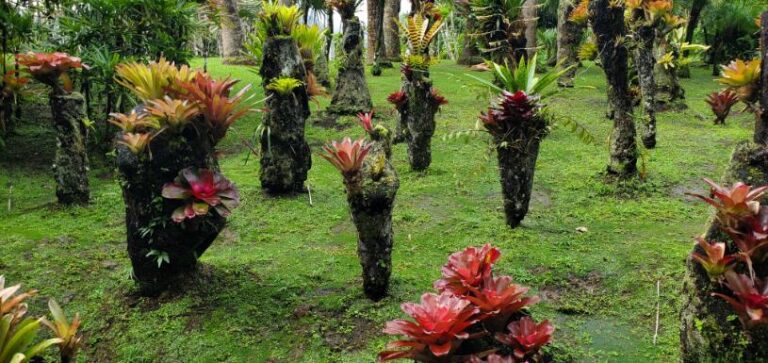
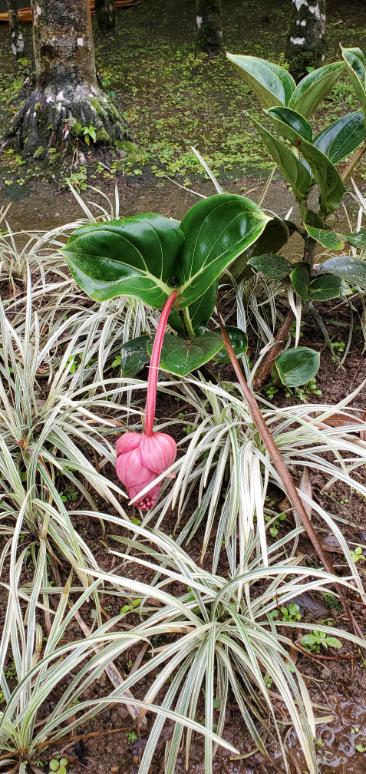
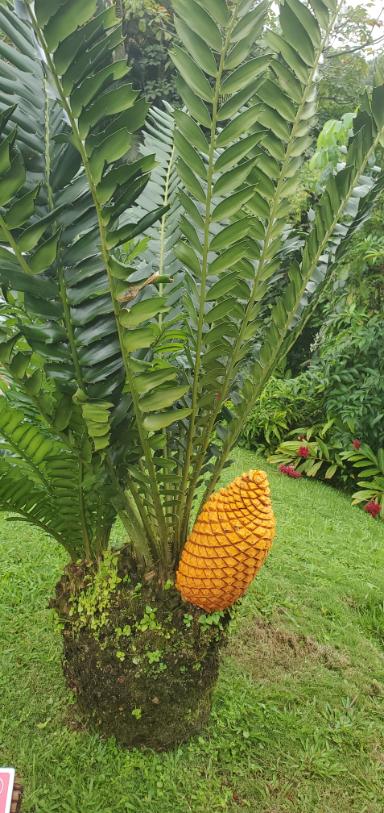
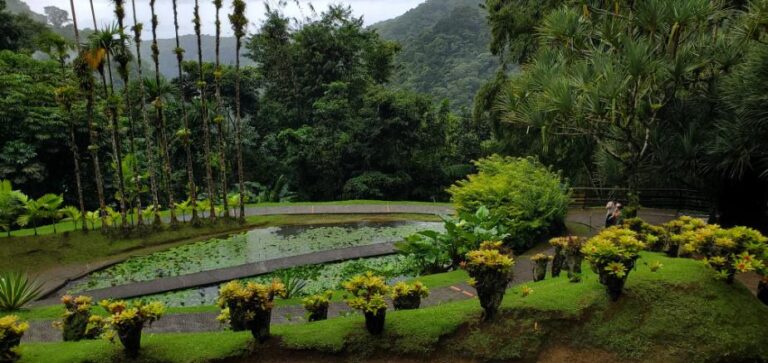
The beautiful flowers at the Balata Garden. Martinique, the Caribbean Island of Flowers
The beautiful flowers at the Balata Garden
The beautiful flowers at the Balata Garden. Martinique, the Caribbean Island of Flowers
The beautiful flowers at the Balata Garden
The beautiful flowers at the Balata Garden. Martinique, the Caribbean Island of Flowers
The beautiful flowers at the Balata Garden
Enjoying the lush greenery at the Balalta Gardens
The beautiful flowers at the Balata Garden. Martinique, the Caribbean Island of Flowers
The beautiful flowers at the Balata Garden

MARTINIQUE, THE CARIBBEAN ISLAND OF FLOWERS Read More »
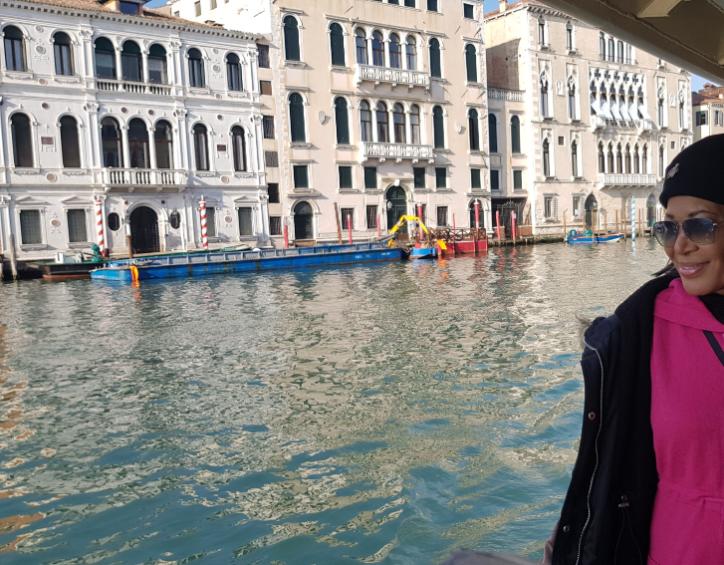
Enjoying the Vaporetto ride on the Grand Canal. Venice, Italy’s floating city

VENICE – ITALY’S FLOATING CITY

VENICE – ITALY’S FLOATING CITY

VENICE – ITALY’S FLOATING CITY

Venice is a major seaport in northern Italy, and the capital of both the province of Venezia and the Veneto Region. It is the 11th largest city in Italy by population. Venice, Italy’s floating city is also known by a few other names, including the city of canals. Moreover, the historical center has no “drivable” roads for cars or motorbikes, just canals that crisscross the city (in “S” shapes). Furthermore, the Grand Canal, the largest and most prominent of all canals, is also one of the most romantic places in Italy.

Venice’s best and main form of transport in the historic centre is the unique and colourful Gondolas. Although outnumbered by other water ferries, they remain the symbol of Venice. From across the Grand Canal on both sides of the canal, there are many Gothic and restored palaces and squares. Moreover, in 1987, they collectively designated Venice and its Lagoons a UNESCO World Heritage Site. Please keep reading to learn more about my short visit to Venice, Italy’s floating city.

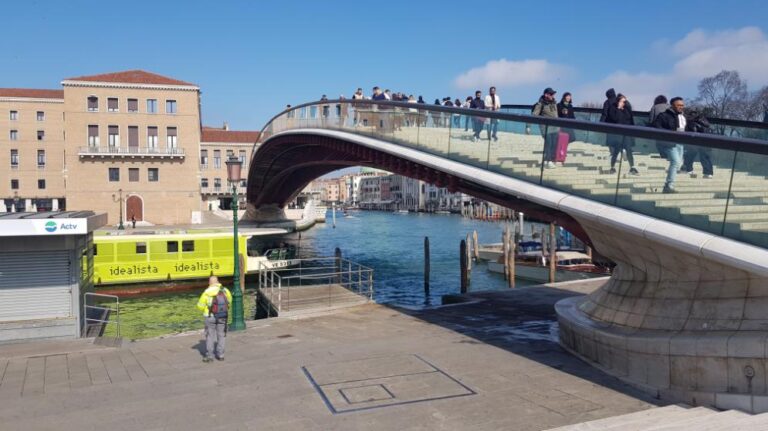
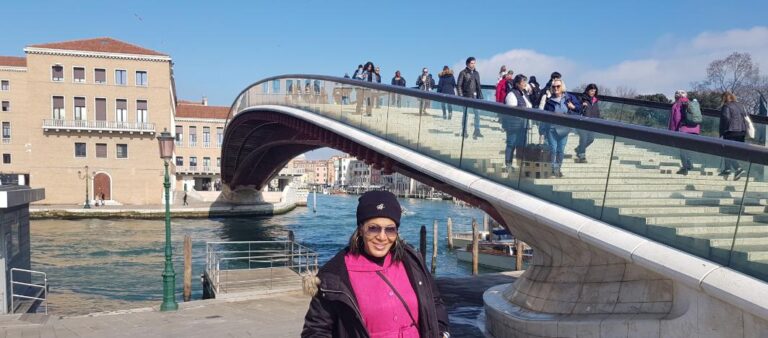
Ponte della Costituzione (Constitution Bridge) aka Calatrava Bridge - a glass pedestrian bridge. Venice, Italy’s floating city
Ponte della Costituzione (Constitution Bridge) aka Calatrava Bridge - a glass pedestrian bridge
At the Ponte della Costituzione (Constitution Bridge) aka Calatrava Bridge - a glass pedestrian bridge

VENICE – ITALY’S FLOATING CITY Read More »
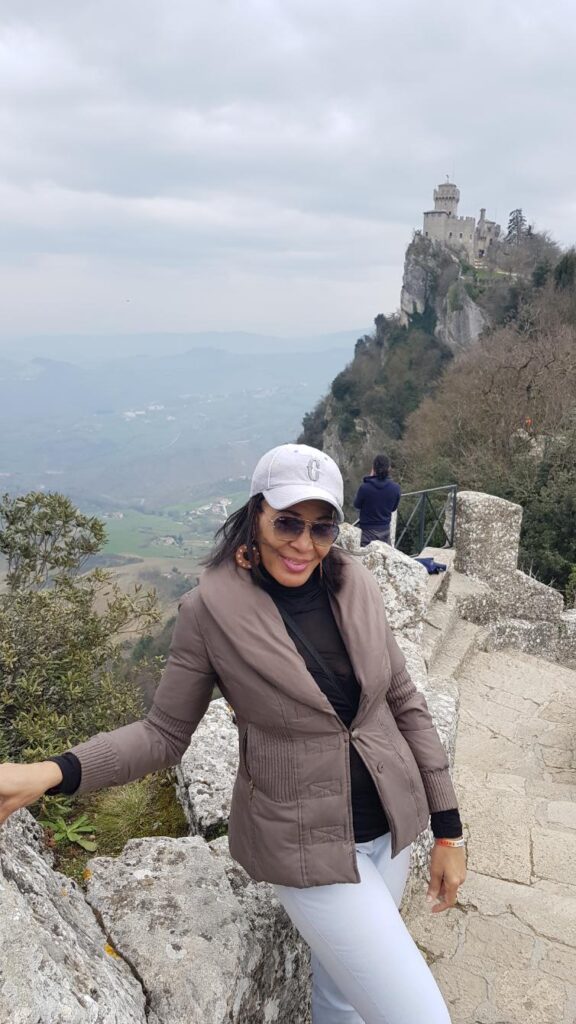
San Marino – the World’s Oldest Republic

SAN MARINO THE WORLD’S OLDEST REPUBLIC

SAN MARINO - THE WORLD’S OLDEST REPUBLIC

The Democratic Republic of San Marino, known as the world’s smallest and oldest constitutional republic, is a developed landlocked European country. It has a population of almost 34,000 and its capital is San Marino City. The city is set high on the western slopes of Monte Titano/Titan and is listed as a UNESCO World Heritage site. The country is about 10 kilometres from the Adriatic Sea and surrounded by Italy. It was founded in AD 301 (4th century) by Saint Marinus, a stone mason,  and has maintained its identity for more than a millennium. San Marino is the third-smallest country in Europe (Vatican City – the smallest country in Europe). It is a serene, hilly country with no substantial flat lands, and thrives on agriculture (products are wine and cheese), banking, and tourism. It exports fabric, clothing, ceramics, coins, and postage stamps (keenly sought by collectors), which are also important sources of revenue. Please keep reading to learn more about San Marino, the world’s oldest republic.

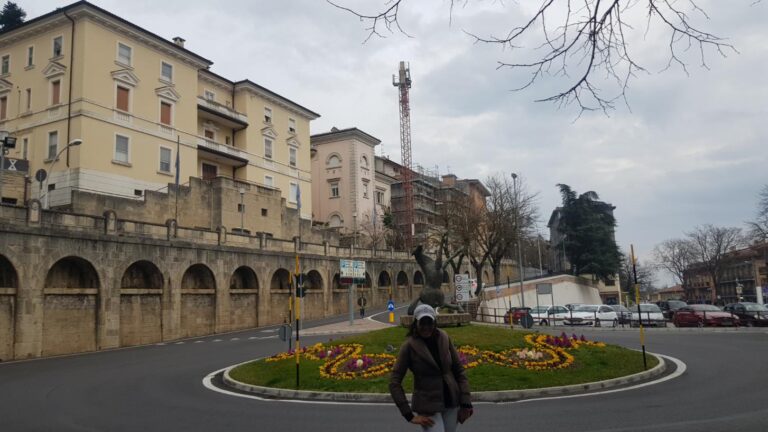
A beautiful roundabout leading to Old Town. San Marino, the world’s oldest republic
A beautiful roundabout leading to Old Town

San Marino – the World’s Oldest Republic Read More »
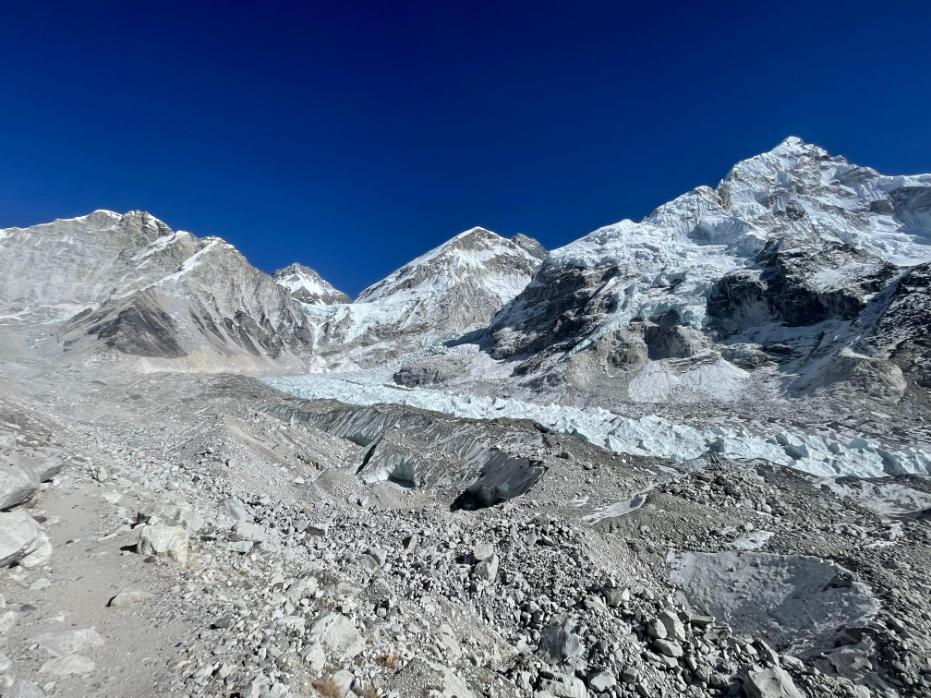
Mount Everest. Nepal, the home of Mount Everest.

NEPAL, THE HOME OF MOUNT EVEREST

NEPAL, THE HOME OF MOUNT EVEREST

NEPAL - THE HOME OF MOUNT EVEREST

The Federal Democratic Republic of Nepal is a landlocked country between India and China in South Asia. Its population is almost 31 million, and its capital and biggest city is Kathmandu. They call Nepal “the ceiling of the world” because it has eight of the highest mountains on earth, including its most famous Mount Everest. Moreover, Nepal is ideal for thrilling adventures and sport tourism. It offers activities such as mountaineering, paragliding, kayaking, and high-altitude marathons. Further, the largest religion in Nepal is Hinduism (more than 80%), Buddhism is second, and a significant minority of Muslims, and Christians. Nepal’s main exports are textiles, carpets and rug mills, cement, cigarettes, juices, iron, steel, palm oil, honey, and clothing. However, tourism is one of its main money earners. Besides this, it also cultivates Wheat, Millet, Maize, Paddy, Barley-rice, and even potatoes and apples. Please continue reading to learn more about Nepal, the home of Mount Everest.

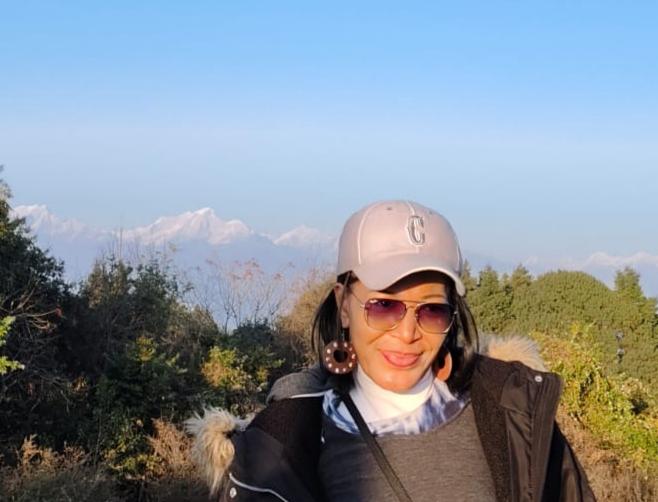
Enjoying the view of the Himalayan Mountains from Nagarkot Peak

NEPAL, THE HOME OF MOUNT EVEREST Read More »
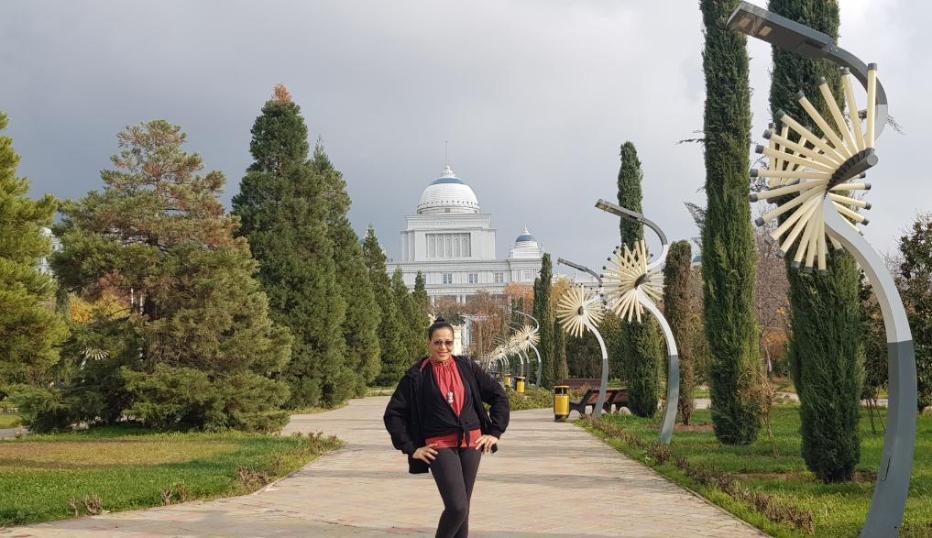
Tajikistan, the Smallest Country in Central Asia

TAJIKISTAN - THE SMALLEST COUNTRY IN CENTRAL ASIA

TAJIKISTAN - THE SMALLEST COUNTRY IN CENTRAL ASIA

The Republic of Tajikistan is a country in the heart of Central Asia. Its capital and most popular city is Dushanbe. Surrounding Tajikistan are countries like China, Uzbekistan, Kyrgyzstan, and Afghanistan. Although Tajikistan is the smallest country in Central Asia by landmass, with a population of over 10 million people, it is not the smallest by population of the five Central Asian countries.
The vast majority of Tajikistanis are Muslim, and there is a small percentage of Christians who are predominantly Russians.
Tajikistan’s economy depends on agriculture and services, and each employs more than two-fifths of the labour force. Moreover, it is the most mountainous country in Central Asia. Besides its rugged terrain, it is best known for its natural resources and vast freshwater reserves. Tajikistan also produces aluminium and cotton, which are its main export commodities.  Additionally, it exports vegetable oil, almonds, dried apricots, grapes, cotton, textiles, etc.  Read on for a general view of Tajikistan, the Smallest Country in Central Asia.

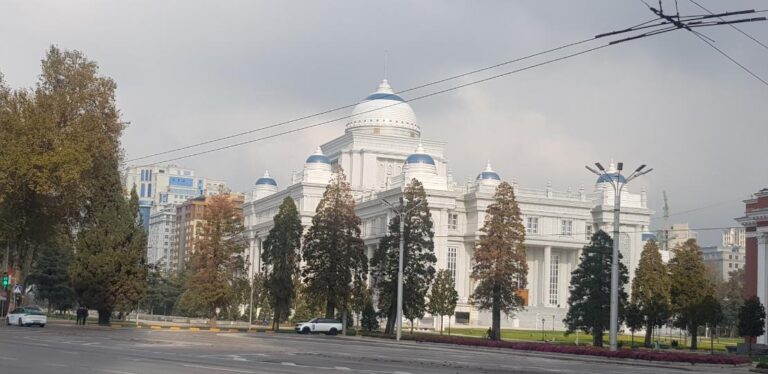
The new parliament building of Tajikistan (aka the White house of Tajikistan). Tajikistan, the Smallest Country in Central Asia
The new parliament building of Tajikistan (aka the White house of Tajikistan)
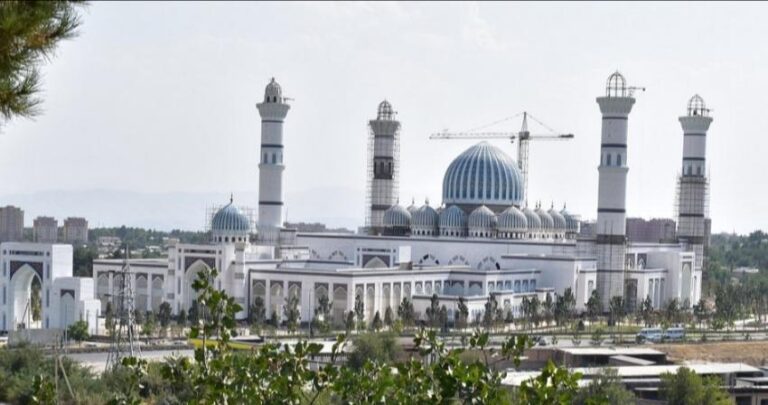
The Imam Azam Mosque or the Grand Mosque (biggest Mosque in Tajikistan and second-biggest in Central Asia). Tajikistan, the Smallest Country in Central Asia
The Imam Azam Mosque or the Grand Mosque (biggest Mosque in Tajikistan and second-biggest in Central Asia)
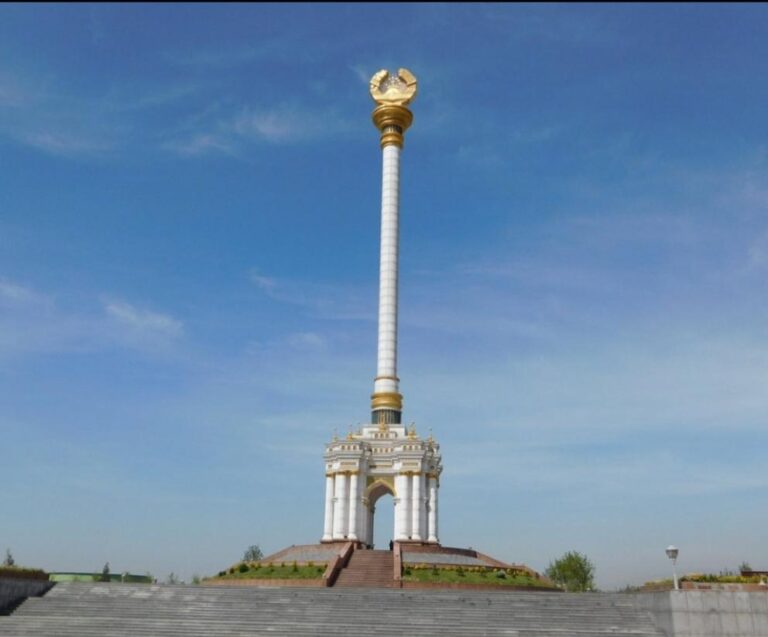
The Stele with Emblem of Tajikistan. Tajikistan, the Smallest Country in Central Asia
The Stele with Emblem of Tajikistan

Tajikistan, the Smallest Country in Central Asia Read More »
50 SAFEST COUNTRIES AROUND THE WORLD

50 SAFEST COUNTRIES AROUND THE WORLD

50 SAFEST COUNTRIES AROUND THE WORLD

No country is 100% safe. With the continuous movement of people, many once-safe countries are now experiencing crimes or an increase in it. However, many have drastic laws and rigid enforcement to deter any would-be-criminal from breaking them, thus lowering the crime rate. As a solo traveller, I have never had any security issues in any country because most were fairly safe. I chose these 50 safest countries around the world from the 80-plus I visited, based on how secure I felt, and what I experienced during my stay.

50 SAFEST COUNTRIES AROUND THE WORLD Read More »

Slovakia a Beauty in the Heart of Europe

SLOVAKIA, A BEAUTY IN THE HEART OF EUROPE

SLOVAKIA, A BEAUTY IN THE HEART OF EUROPE 

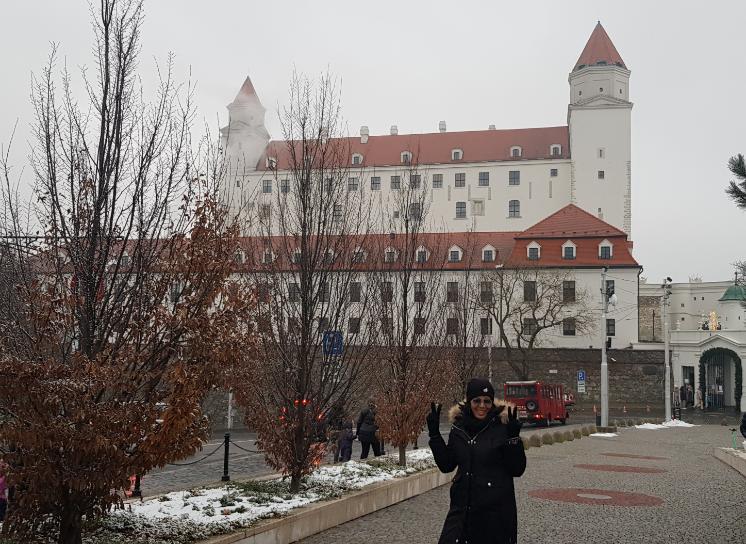
The Republic of Slovakia/Slovak/Slovensko is a small, landlocked country in Central Europe. Consequently, five countries share borders with it, including Ukraine, Poland, Hungary, Czech Republic, and Austria (the closest one, at only 57 kilometers). Its capital is Bratislava. Slovakia is famous for its unique castles, caves, Celtic town (Havranok), architecture, the Podhajska geothermal pool (aka the Slovak Dead Sea), folk dancing, and much more. Slovakia is a developed country with a high-income economy. Moreover, it is home to eight UNESCO World Heritage Sites and has a population of almost 5.5 million. Additionally, services are the largest and primary sector of the economy, but mining, agriculture, and industry remain equally important. Please continue reading to see what it is like to travel to Slovakia, a beauty in the heart of Europe.

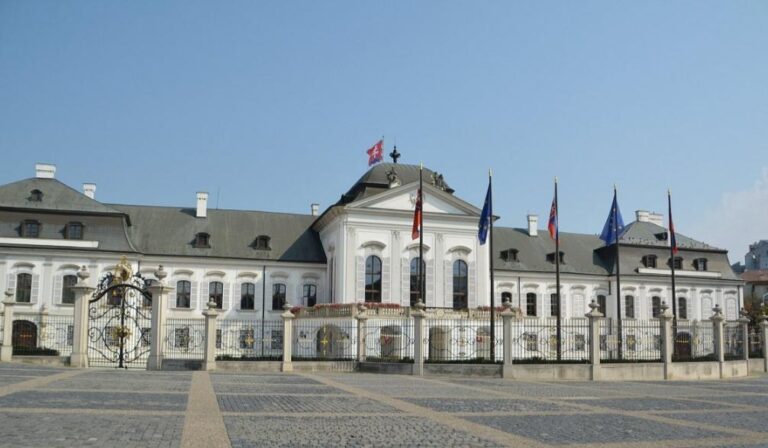
The Grasssalkovich Palace - Presidential Palace

Slovakia a Beauty in the Heart of Europe Read More »