






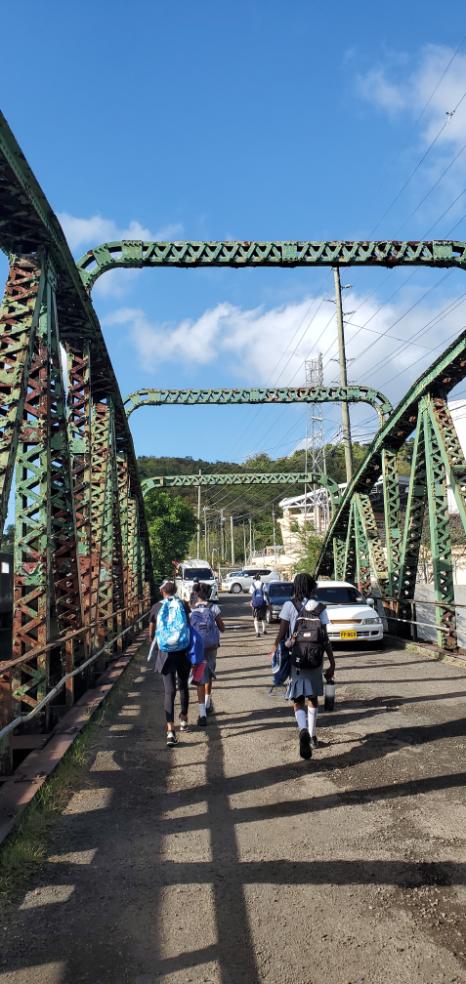
*******FOR THE LOVE OF TRAVEL********
GRENADA – THE SPICE ISLE OF THE CARIBBEAN
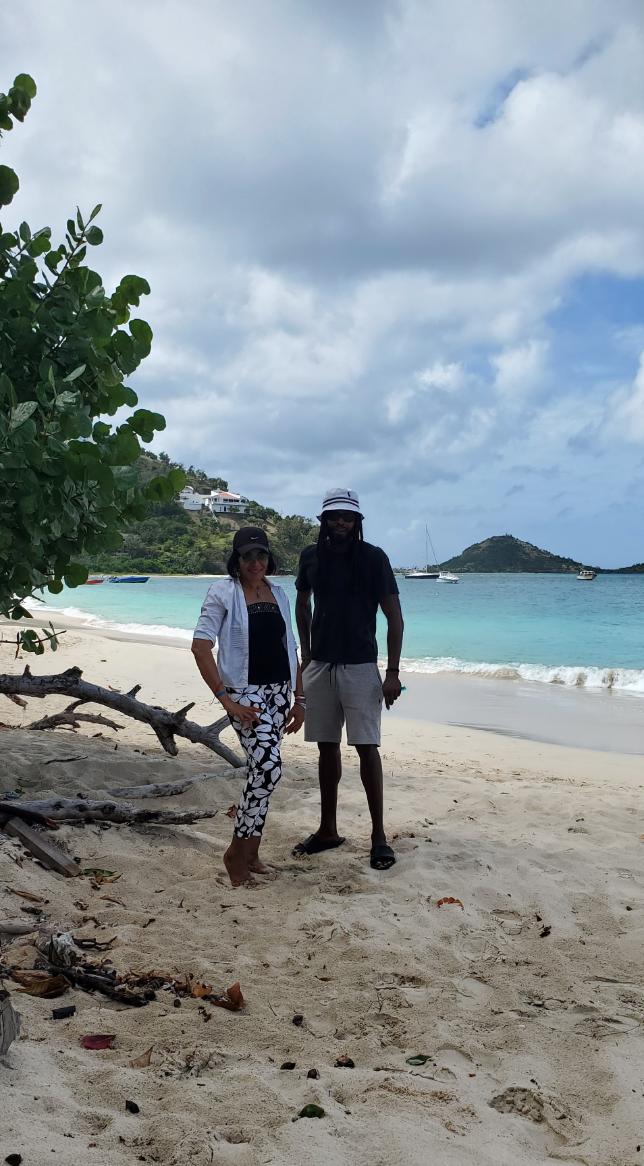
Grenada is an independent, tri-island nation in the West Indies. It is at the southeastern part of the Caribbean Sea, with its closest neighbouring countries being Trinidad and Tobago, Venezuela, and St. Vincent and the Grenadines. Grenada’s capital is St. George’s, and the country’s entire population is approximately 117,000. Moreover, Grenada officially comprises three islands: the main island of Grenada, Carriacou, and Petite Martinique. While these are the core islands, there are several other tiny uninhabited islands and cays, all of which are part of the Lesser Antilles Archipelago.
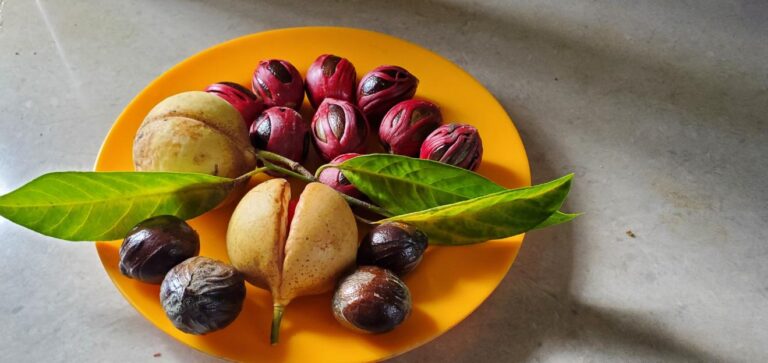
The country’s economy is based on tourism, agriculture, and a lucrative, million-dollar fishing industry, with Tuna as its main fish export. Grenada, the Spice Isle of the Caribbean, rightfully deserves its title because of the abundance of spices grown on the island. Its primary agricultural export crops are spices such as nutmeg and mace (the red outer part of the nutmeg). Its other significant exports include: citrus fruits, cocoa beans, bananas, cinnamon, and cloves.
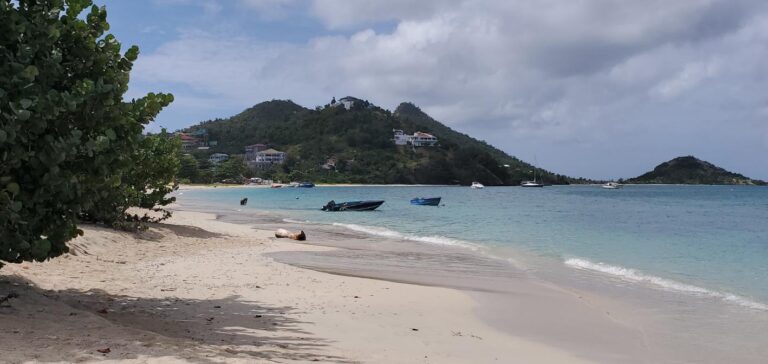
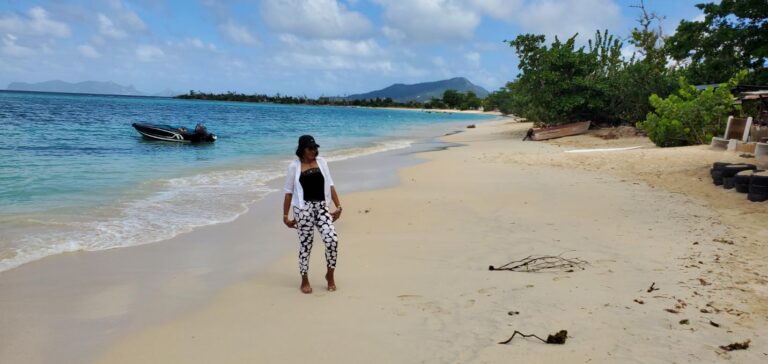
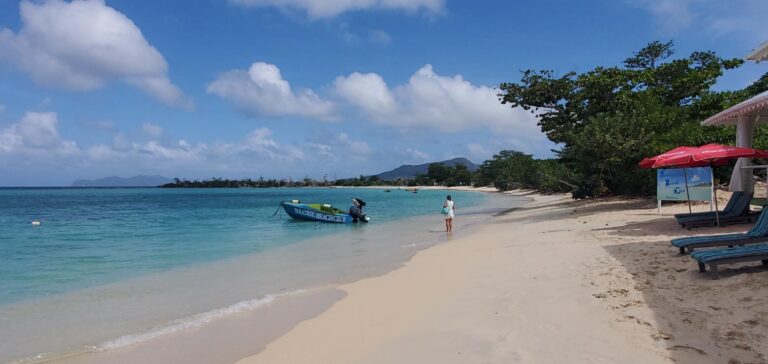
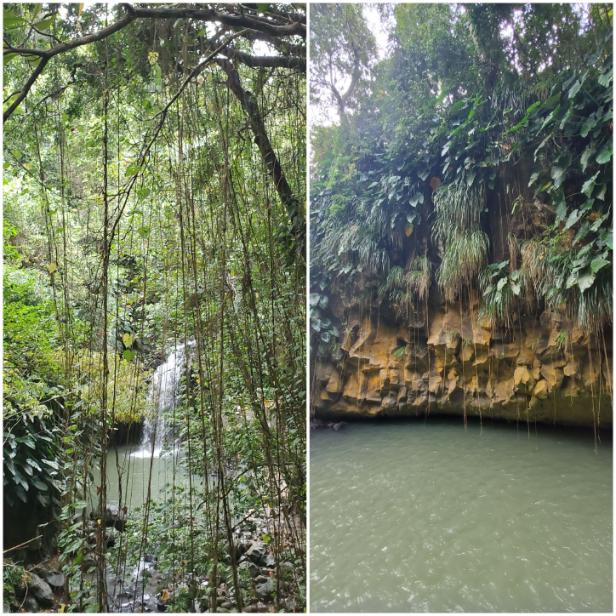
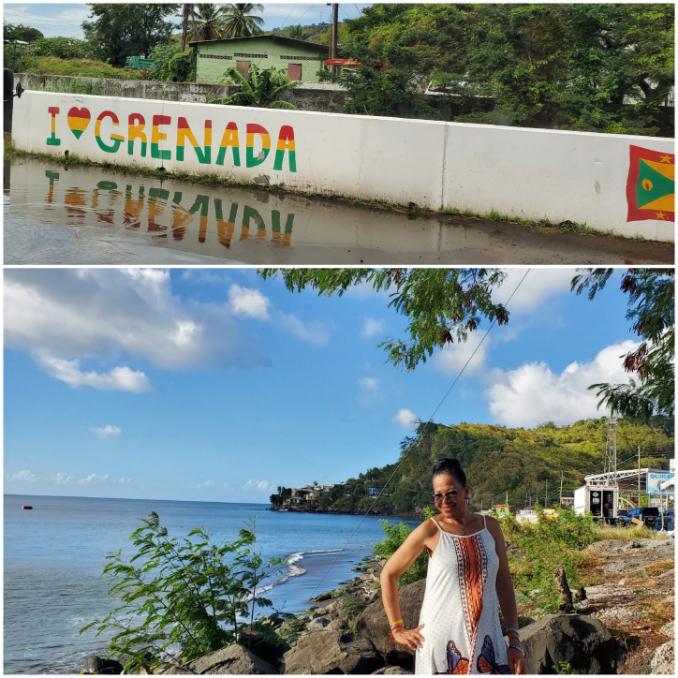
Furthermore, Grenada’s national flag features a stylized nutmeg (left triangle) symbolic of its main export and status as the Spice Isle of the Caribbean, and even the world. The country is home to picturesque harbours, colourful houses, stunning beaches, rainforests, and waterfalls. Additionally, Grenada boasts its yearly Carnival – Spice Mas, all-inclusive beach resorts, the world’s first underwater Sculpture Park, and its hospitality. Please continue reading to learn more about my visit to Grenada, the Spice Isle of the Caribbean.
Some of the links on this blog/website are affiliate links, and if you purchase products or services through these links a commission may or will be paid to the owner of this website. The amount of commission varies from product to product. All commission earned helps in the funding of this blog/website.
As an Amazon Associate, this site also earns from qualifying purchases.
ENTRY INTO GRENADA
Upon arrival at the Maurice Bishop International Airport in Grenada, all passengers disembarked on the tarmac and walked to the terminal building. Note: it has a Sky Walk/Jet Bridge, but I assume it is for international flights or larger planes arriving at a different terminal. Entering the building, I discovered a well-lit, clean, and spacious Immigration area ,and joined the lines guided by two outgoing and welcoming female officers and one male officer. I was almost at the back of the line, and chatted with one of the officers, then the other two joined in.
Having just flown in from Guyana, I was still gushing about how friendly Guyanese are, and that they might be the Caribbean’s friendliest people. Of course, they disagreed with my sentiment, saying, “No, it’s Grenadians,” to which I replied, “We will see.” Then the male officer, being courteous, suggested that I skip the line instead of waiting, and proceed directly to one of the immigration officers waiting.
However, I declined and told him I have all the time in the world, and preferred to wait in line to see how quickly it moves and to get a true experience. The immigration officer who dealt with me was quite polite, quick, and friendly. He only asked how long I planned to stay, stamped my passport, and said, “Welcome to Grenada.”
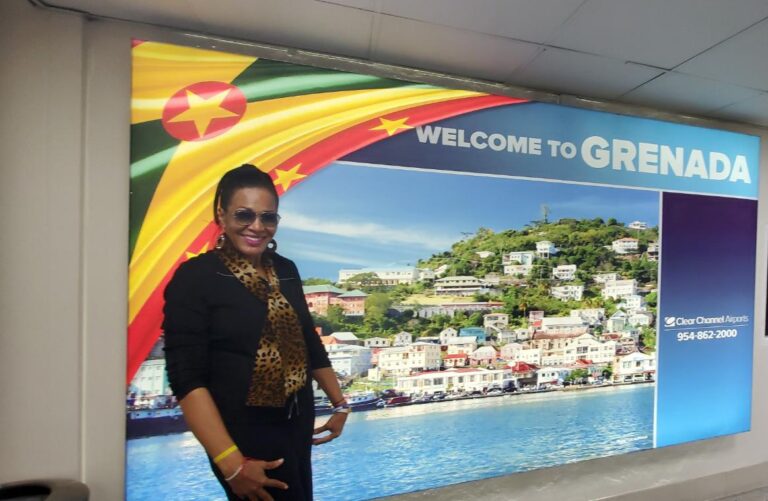
After that, it was on to Baggage Claim and Customs, but before this, one of the three very friendly officers volunteered to be my photographer and took several shots before leaving the area. (Thanks guys, and please continue to be hospitable). Unlike what I expected, the Baggage Claim area was quite spacious, and luggage pick-up was smooth and easy. There were no further customs checks, and I was out of there in less than twenty minutes. Overall, it is quite a lovely medium-sized airport; both the Arrivals and Departures areas were pleasant surprises.
Grenada - The Spice Isle of the Caribbean Cont…
HOW TO GET FROM THE AIRPORT TO THE CITY CENTER?
Getting from the Maurice Bishop International Airport in Grenada to downtown St. George’s by taxi takes approximately 15-30 minutes, depending on traffic. There is a fixed taxi rate: EC$50 – EC$65 (US$20 – US$25). The public buses offer a budget-friendly option for those travelling luggage-free, with fares starting around EC$2.50 (US$1) and taking approximately 30-40 minutes. However, they do not operate directly from the terminal, so you will have to walk from the airport to the main road to take the Route 1 bus. Please note that public buses in Grenada operate between 6.00 am and 9.00 pm.
MUST-HAVE ESSENTIAL ITEMS FOR ALL `IN TIMES OF DISASTER
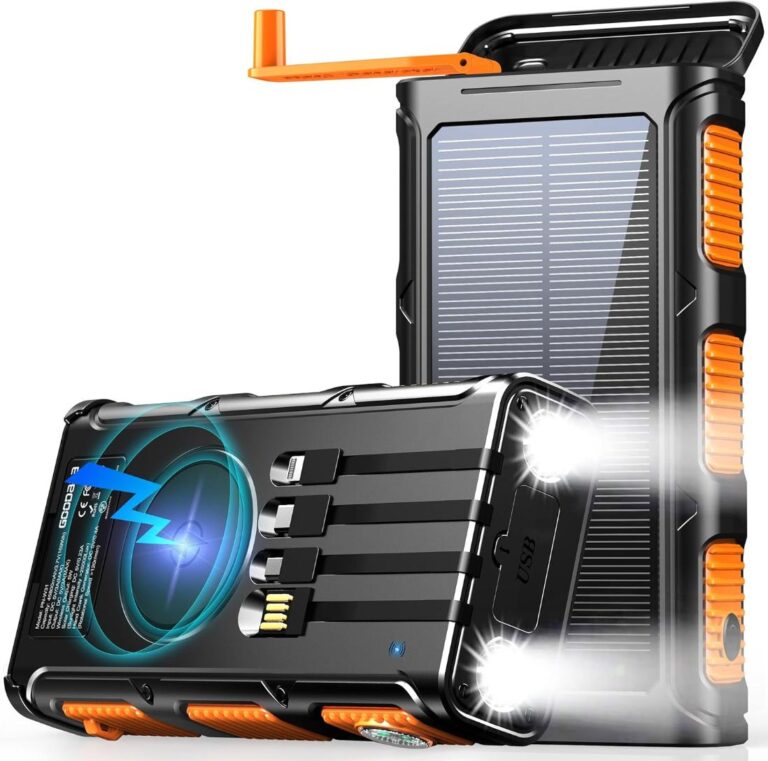
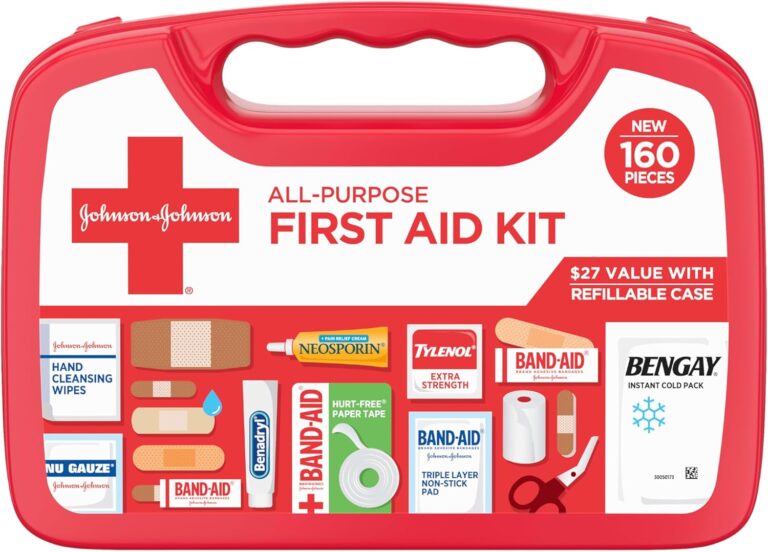
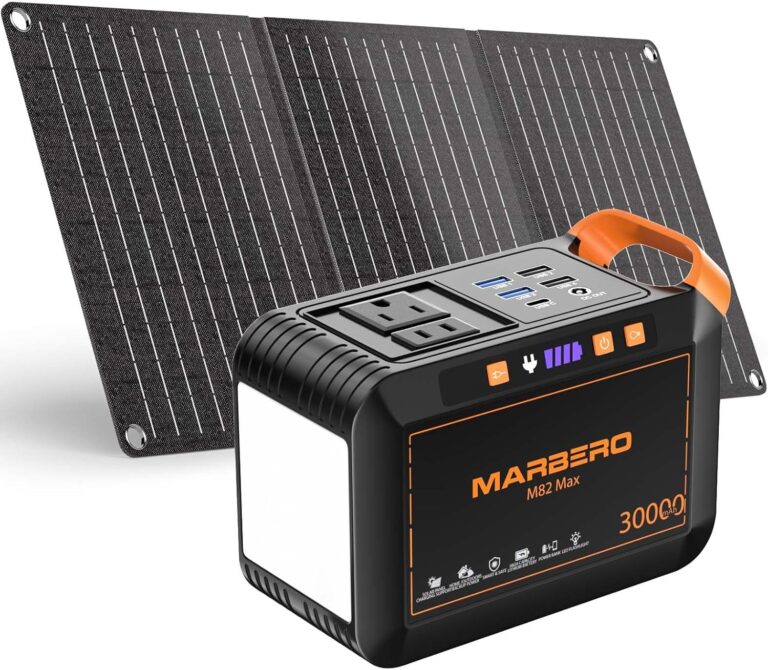
These are some of my MUST-HAVES BugOut Essentials and Gadgets in preparation of Uncertain Times. Be proactive and prepare due to the current world crises.. All items are available on Amazon for direct links to the products, information and suggested uses click here or on the Ad below.
ABOUT THE CITY OF ST. GEORGE'S
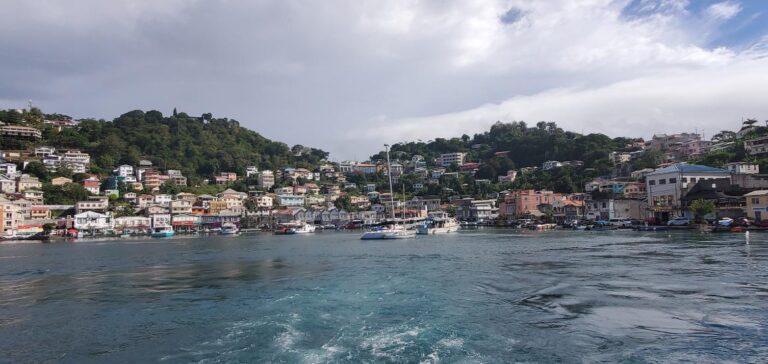
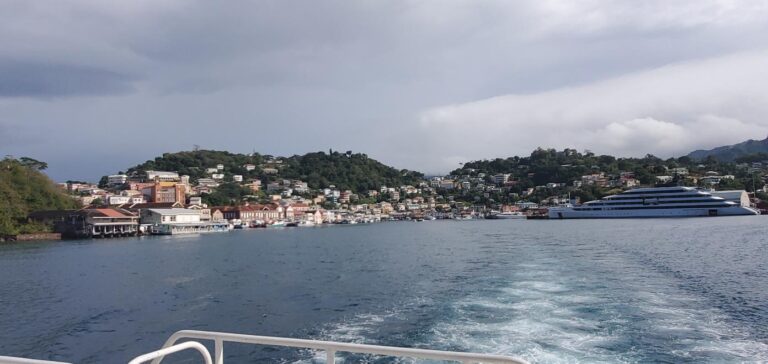
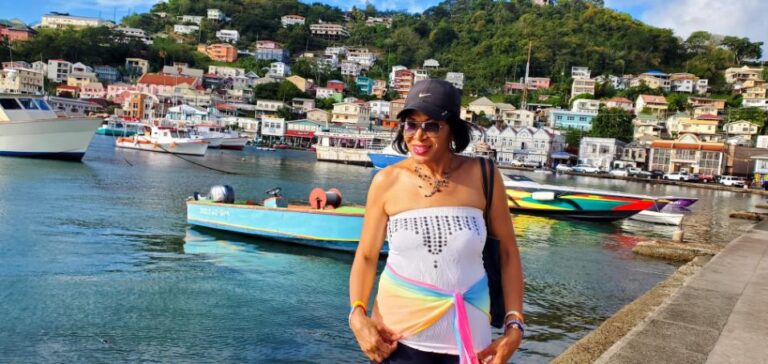
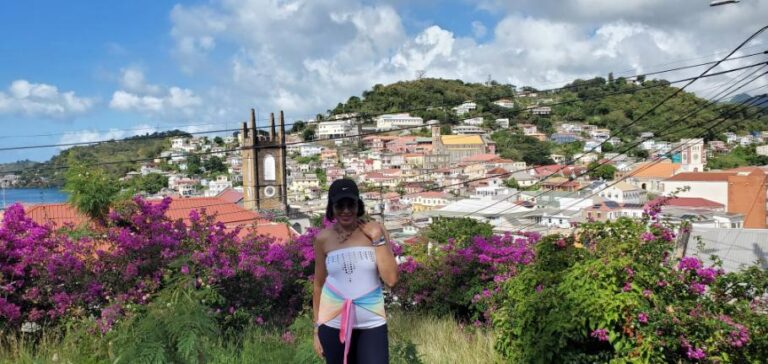
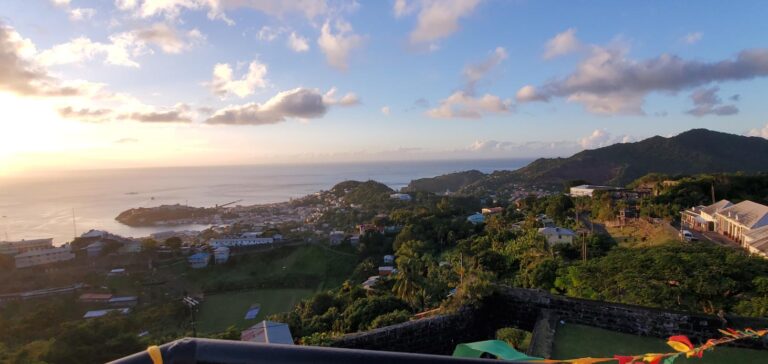
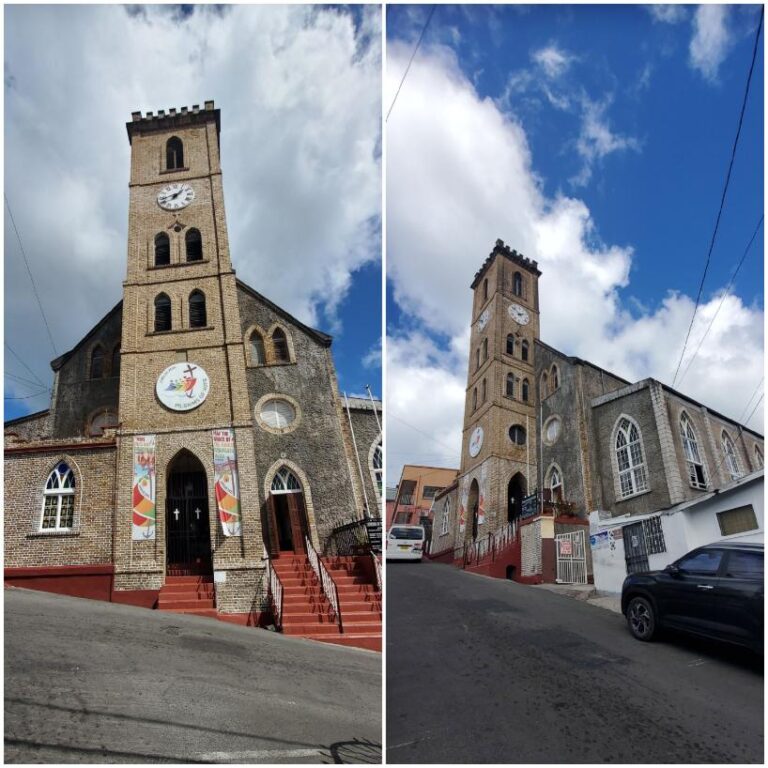
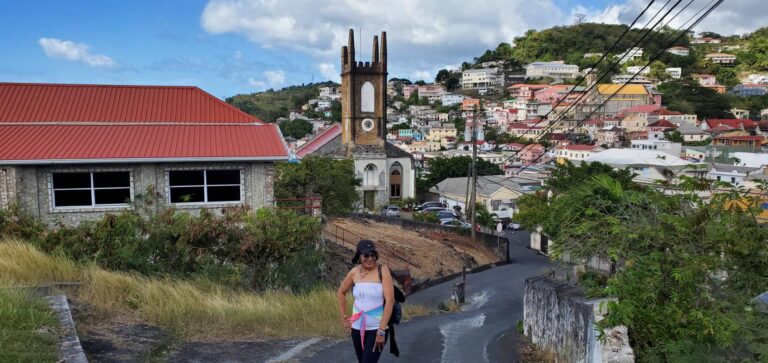
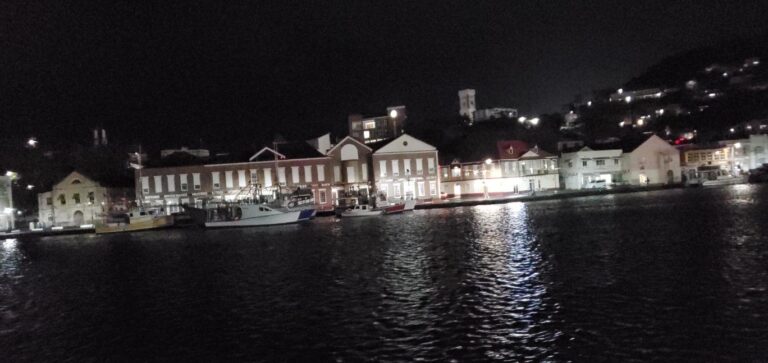
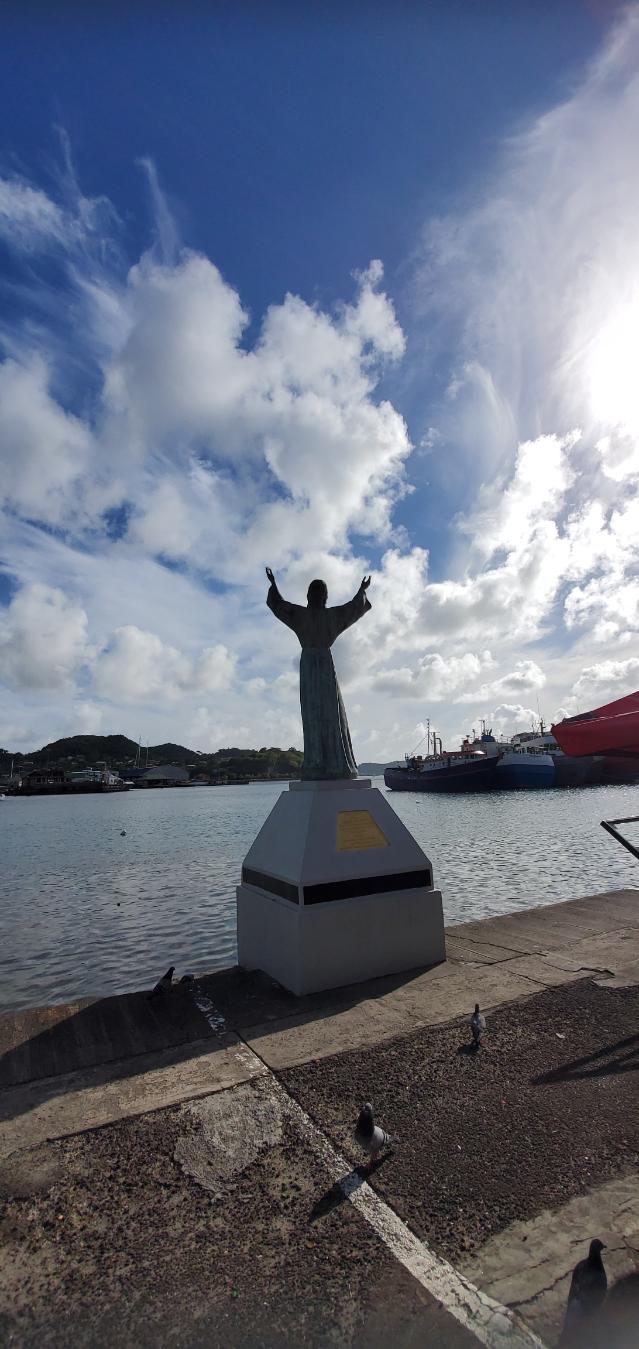
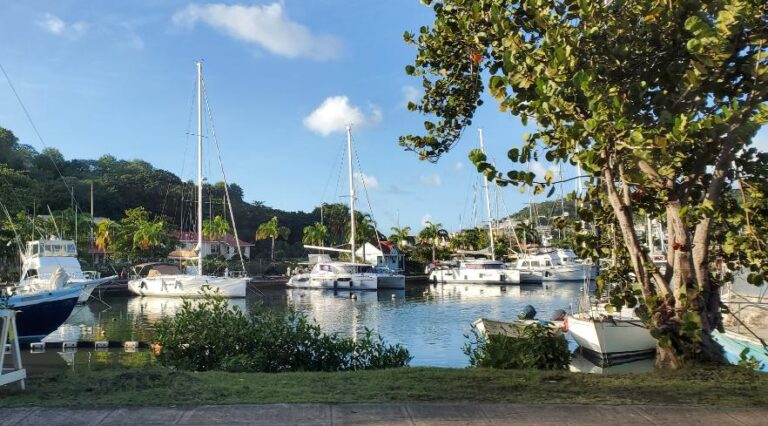
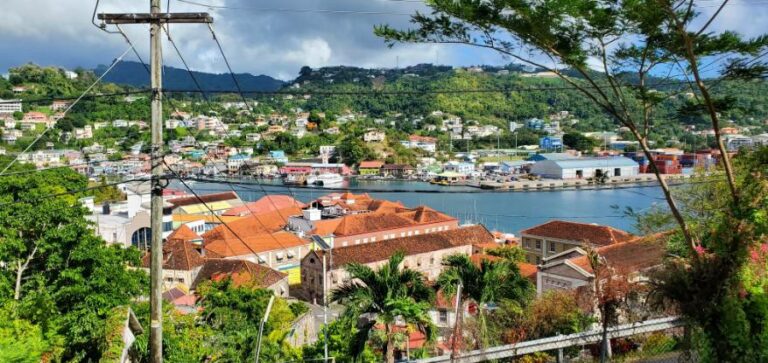
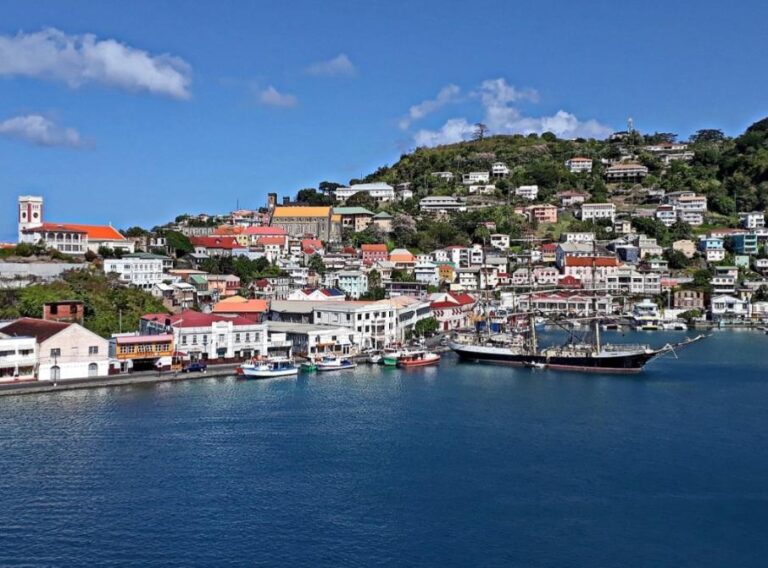
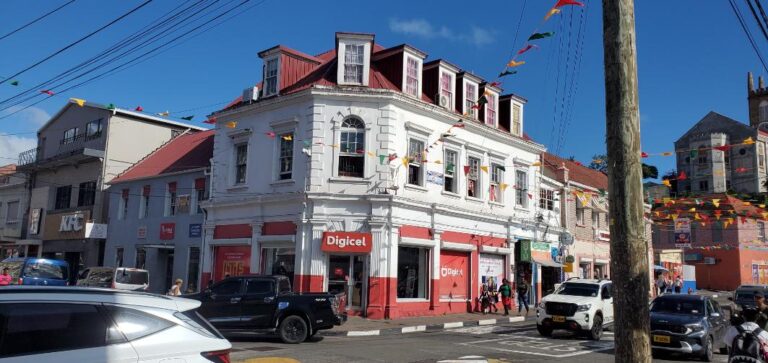
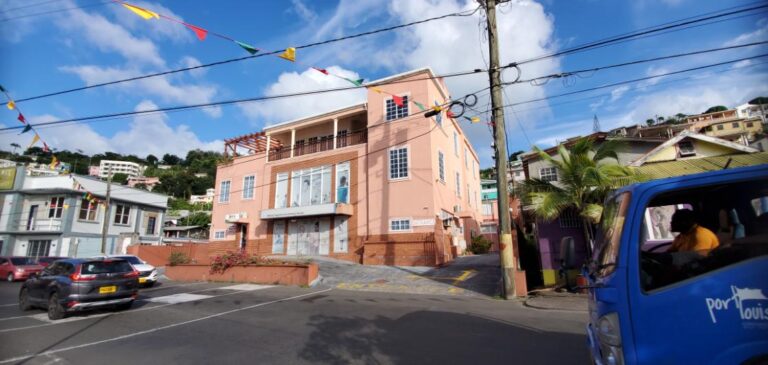
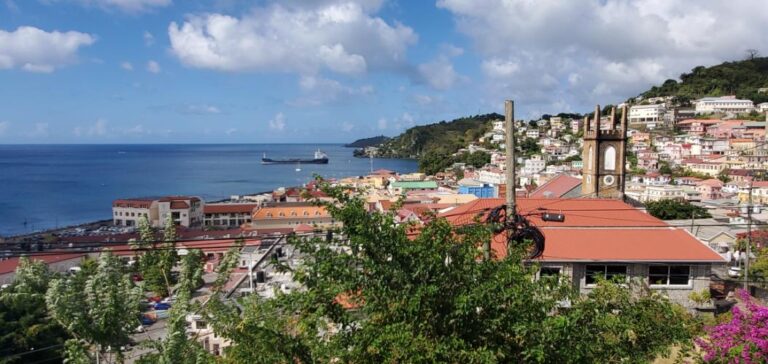
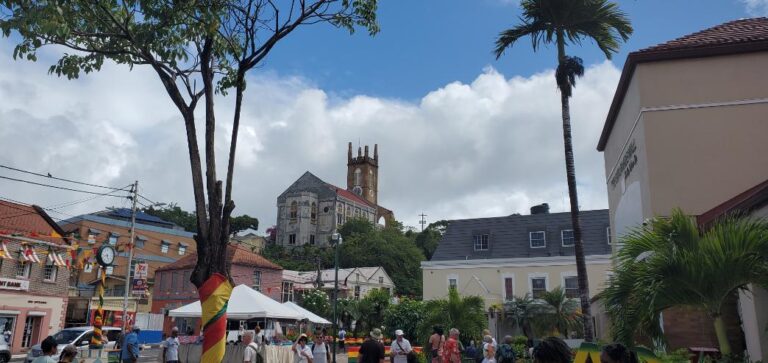
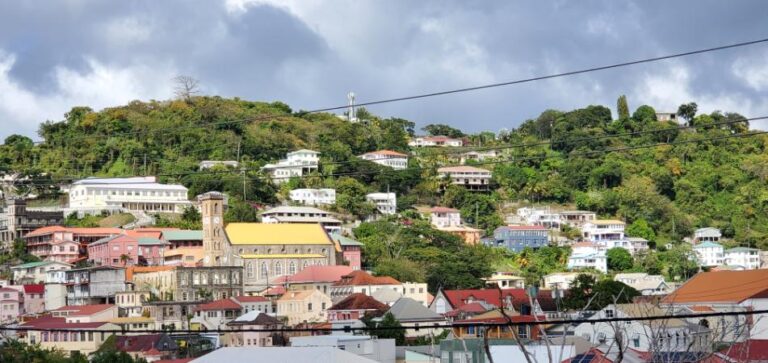
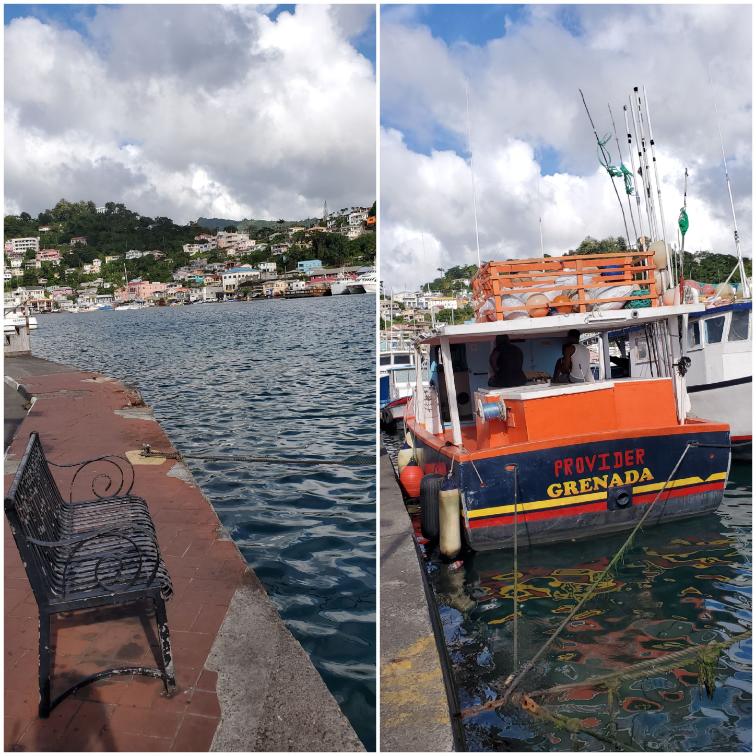
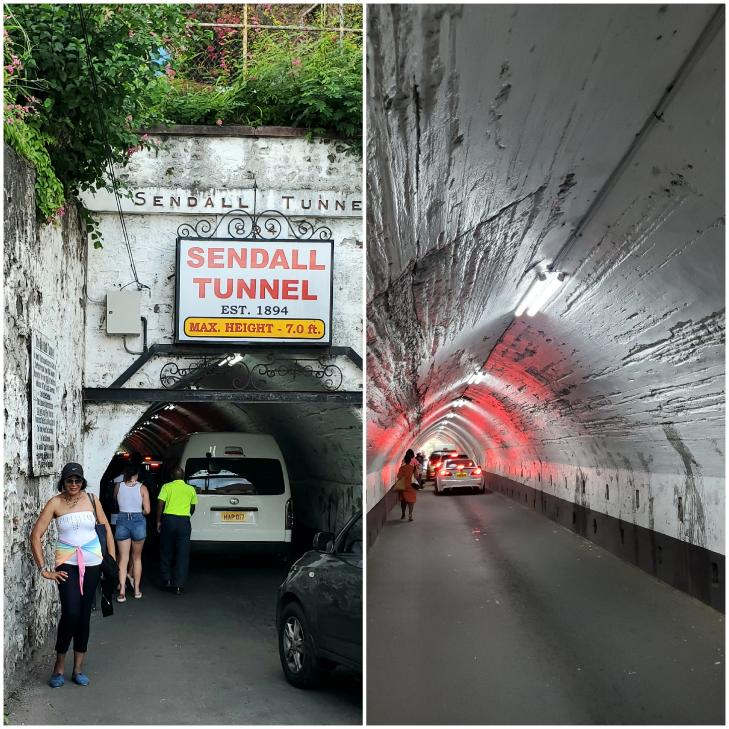
As previously mentioned, St George’s is the capital of Grenada. It is the biggest and most populous city in Grenada. St. George’s was founded in 1650 by the French and then handed over to the British in 1783. It is the country’s main economic, tourist, cultural, and political hub. St. George’s is a small but charming city where pastel-coloured buildings rise to the hillside from the waterfront. The horseshoe-shaped harbour area is known as The Carenage, a picturesque, bustling waterfront featuring the “Christ of the Sea” statue, overlooking the harbour. Moreover, St. George’s is one of the region’s major charter and boat marinas, with Port Louis Marina and the Grenada Yacht Club the main and premier ports.
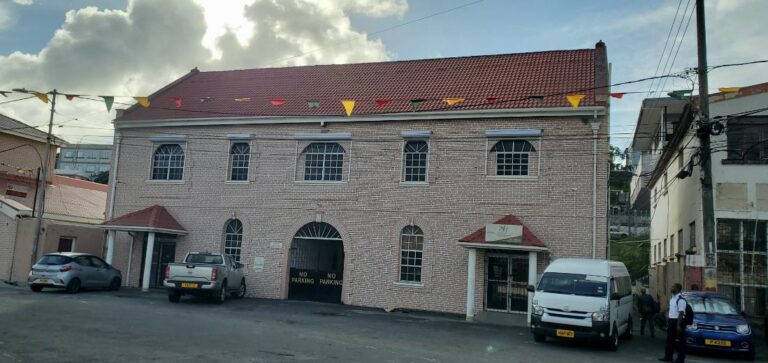
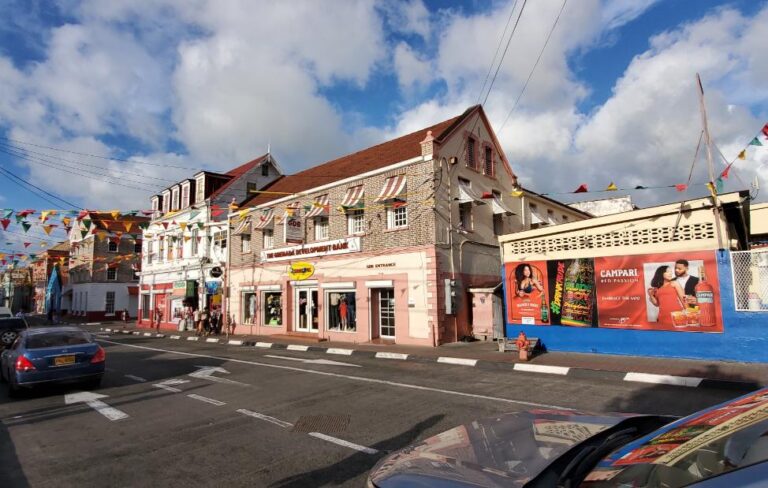
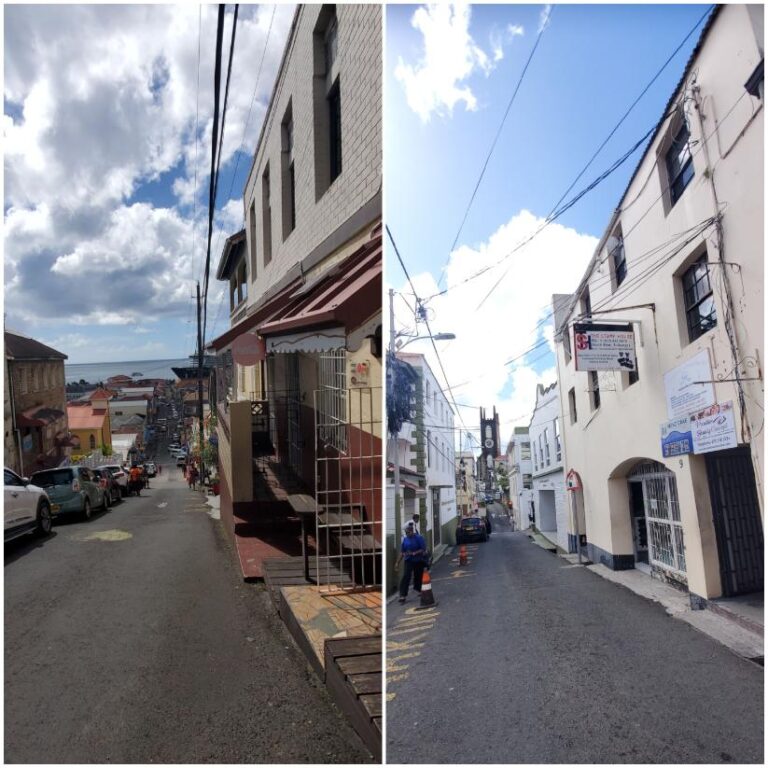
Most of the architecture in the city dates back to the Victorian-style era with wooden trimmings, red roofs, and colourful homes. Its layout is vertical rather than flat and horizontal. Because many residential and commercial buildings are built into the mountainside or on steep streets, creating a multi-level appearance. Consequently, access roads to many residential areas are via steep, narrow roads or flights of stairs. Besides its architecture, it is known for its vibrant markets, and historical and popular sites such as the House of Chocolate, Market Square, Fort George, the Carenage, the Underwater Sculpture Park, and Grand Anse Beach.
Because St George’s was built on the steep hillsides of an old volcanic crater, it is very hilly with narrow, notoriously steep streets. Therefore, it is advisable to travel with comfy shoes For reference, my accommodation was on a very steep street, to the extent that it felt like I would topple over walking down from it. Walking up was no easy feat either and was a true test of stamina, because every few steps, I stopped and took deep breaths before proceeding further.
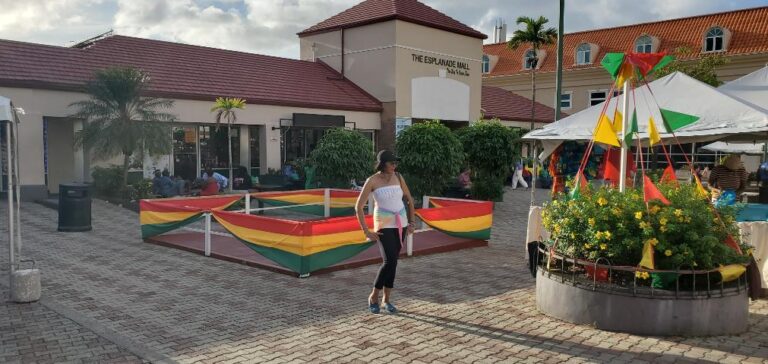
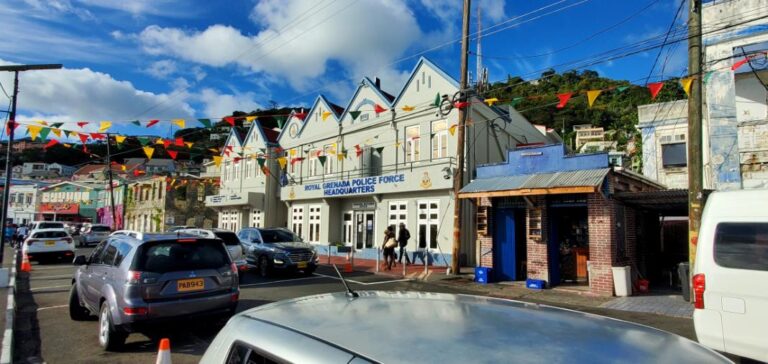
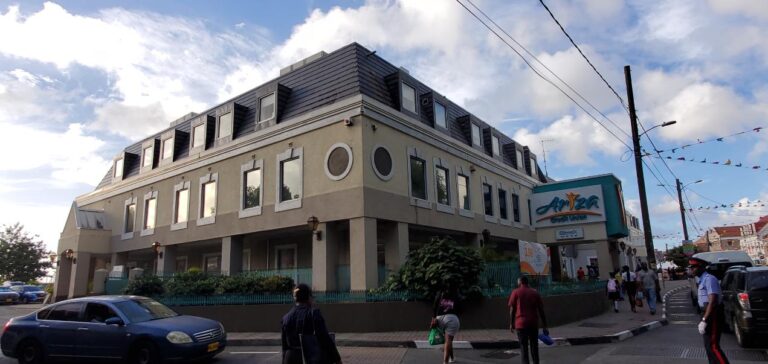
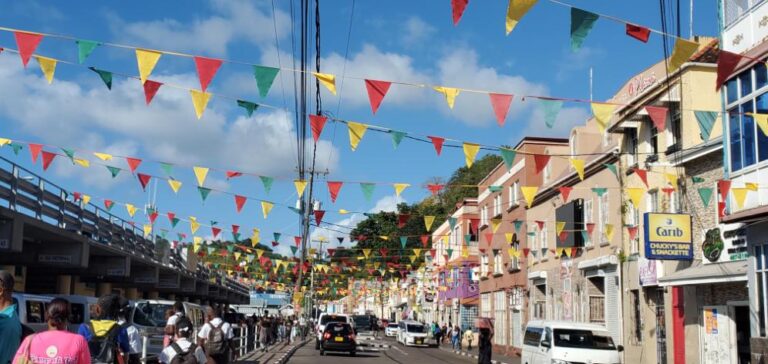
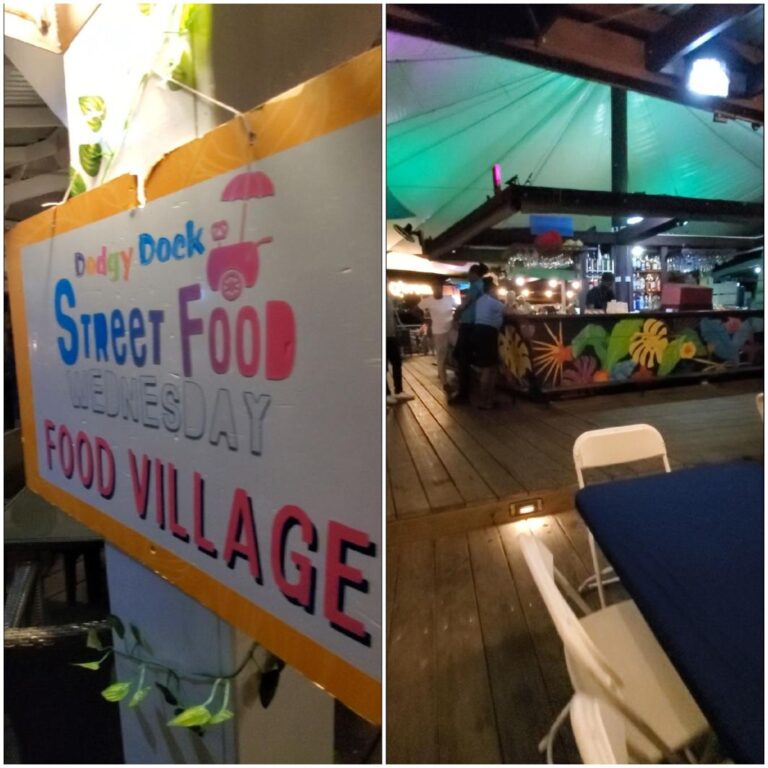
St. George’s is a bustling, lively city with an almost daily influx of cruise ship tourists from its thriving cruise ship industry. Throughout the beautifully decorated city, there was an air of excitement and preparedness for its upcoming Independence Day celebrations. Besides, it is a safe, clean city, almost void of beggars and street dwellers, especially on the main streets. Though the city does not have large clubs and casinos, it offers a relaxed nightlife with beachside bars, lounges, and live music at some of the smaller bars. Be sure to check out the Dodgy Dock Street Food Village (Wednesday nights only) at the True Blue Bay Resort.
Grenada - The Spice Isle of the Caribbean Cont…
ABOUT THE ISLAND OF CARRIACOU - "Isle of Reefs"
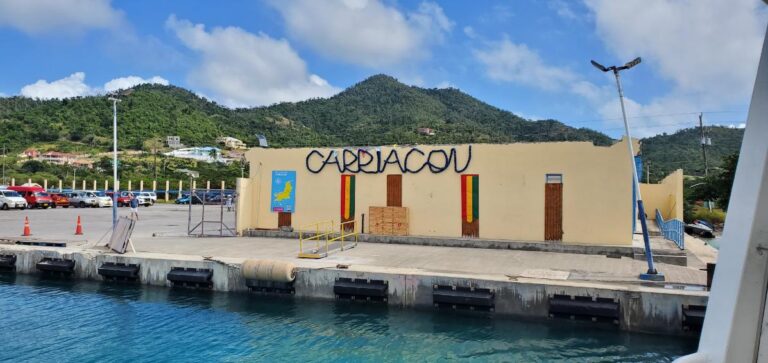
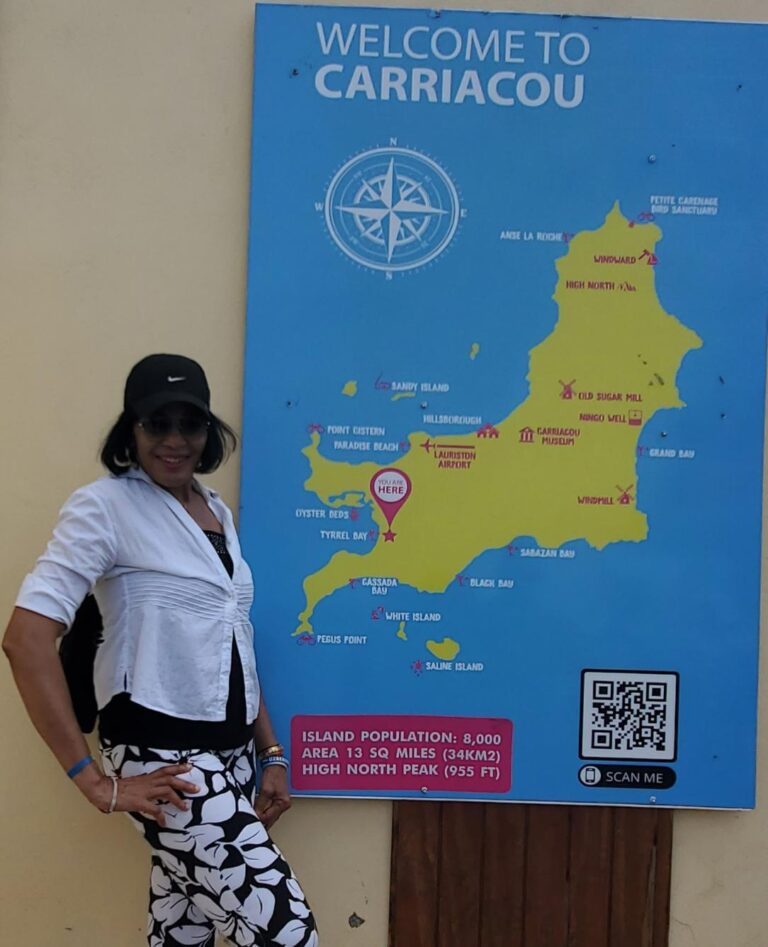
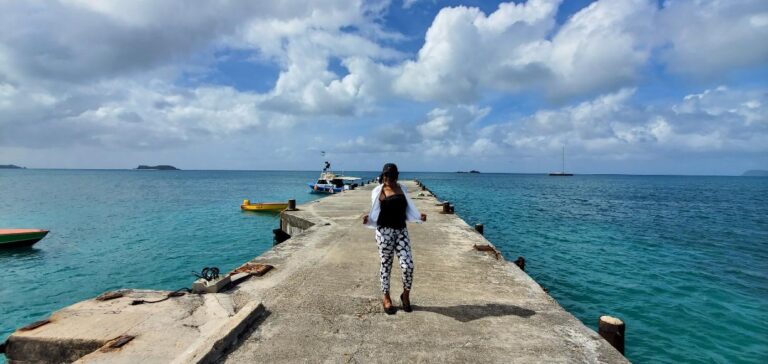
Carriacou is a small, tranquil, beach-worthy island off Grenada. It is the second-largest island (13 square miles) in the trio of islands that make up the country, with a population of approximately 5000 – 6000 people. Nicknamed the “Isle of Reefs,” because its name is derived from the Amerindian word “Kayryouacou,” which means “land of Reefs.”
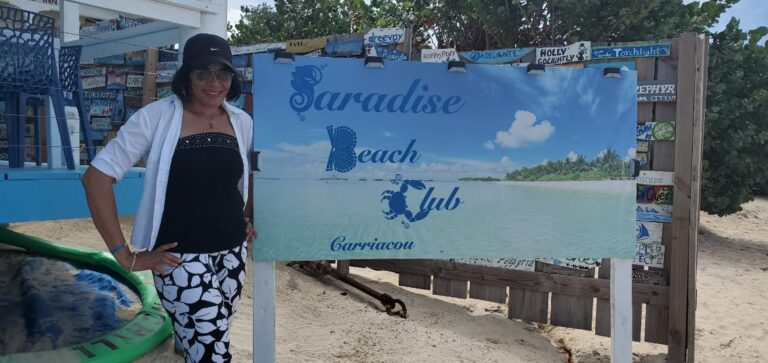
Carriacou is renowned for its vibrant coral reefs, snorkeling, and diving (particularly in the Sandy Island/Mabouya Marine protected area), and its pristine, untouched beaches like Paradise Beach and Anse La Roche. Moreover, it is famous for its boat-building tradition and events such as the Shakespeare Mas and Carriacou Regatta.
HOW TO GET TO CARRIACOU?
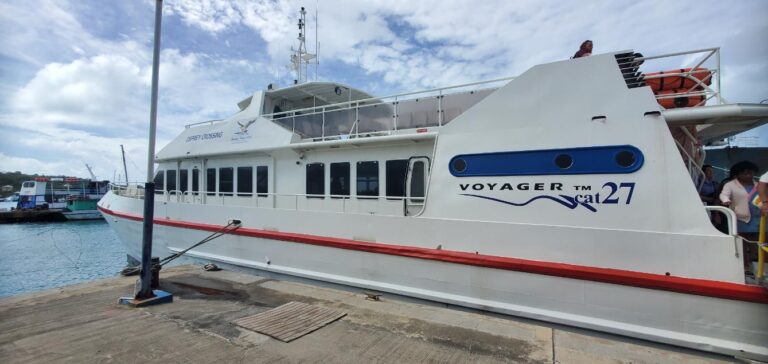
The easiest, yet most expensive way to get to Carriacou from Grenada is by air. Carriacou has its own airport (Lauriston Airport), and it is only a 20-minute flight from the Maurice Bishop Airport. However, the most economical way to visit the island is by boat.
The almost two-hour ride was not very scenic, and halfway through the journey from Grenada, the water was very choppy, although some passengers and crew members said it is usually worse. I am unsure if it is the norm or only because of some screaming passengers, but during that period, the crew was busy offering “barf bags” to all passengers. However, in my case, as long as I kept my head down and eyes closed, it was fine; failure to do so left me nauseous. Nonetheless, the journey back from Carriacou to Grenada was smoother.
ABOUT THE CITY OF `HILLSBOROUGH
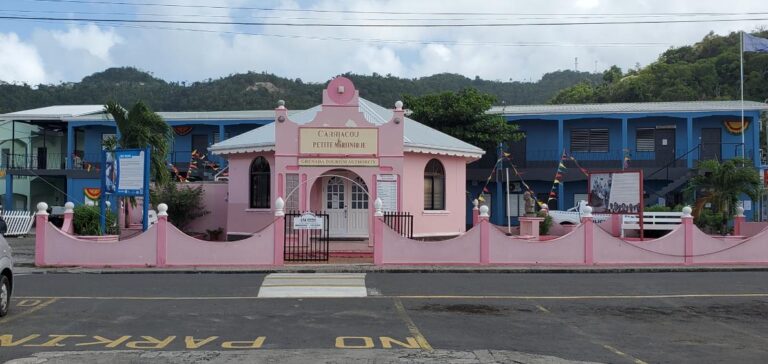
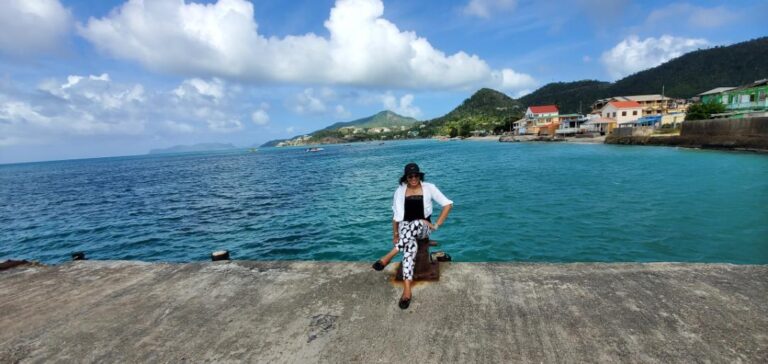
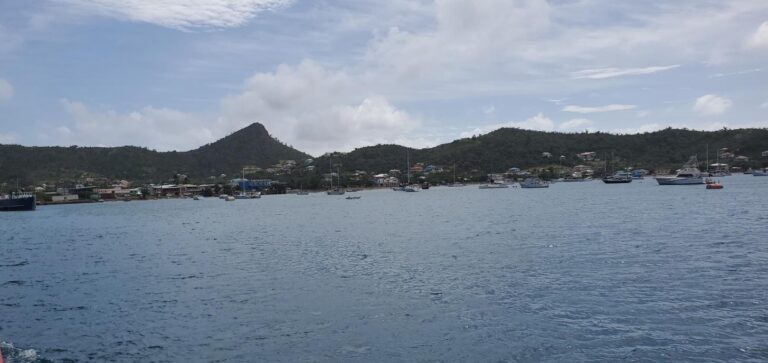
Hillsborough is the primary town and capital of Carriacou. It serves as the main settlement and administrative hub of the island and its dependency, Petite Martinique (the smallest of the three islands). This small city is on a bay with a narrow, white sandy beach in the heart of it. It has everything similar to the mainland, but on a smaller scale and without the luxury resorts.
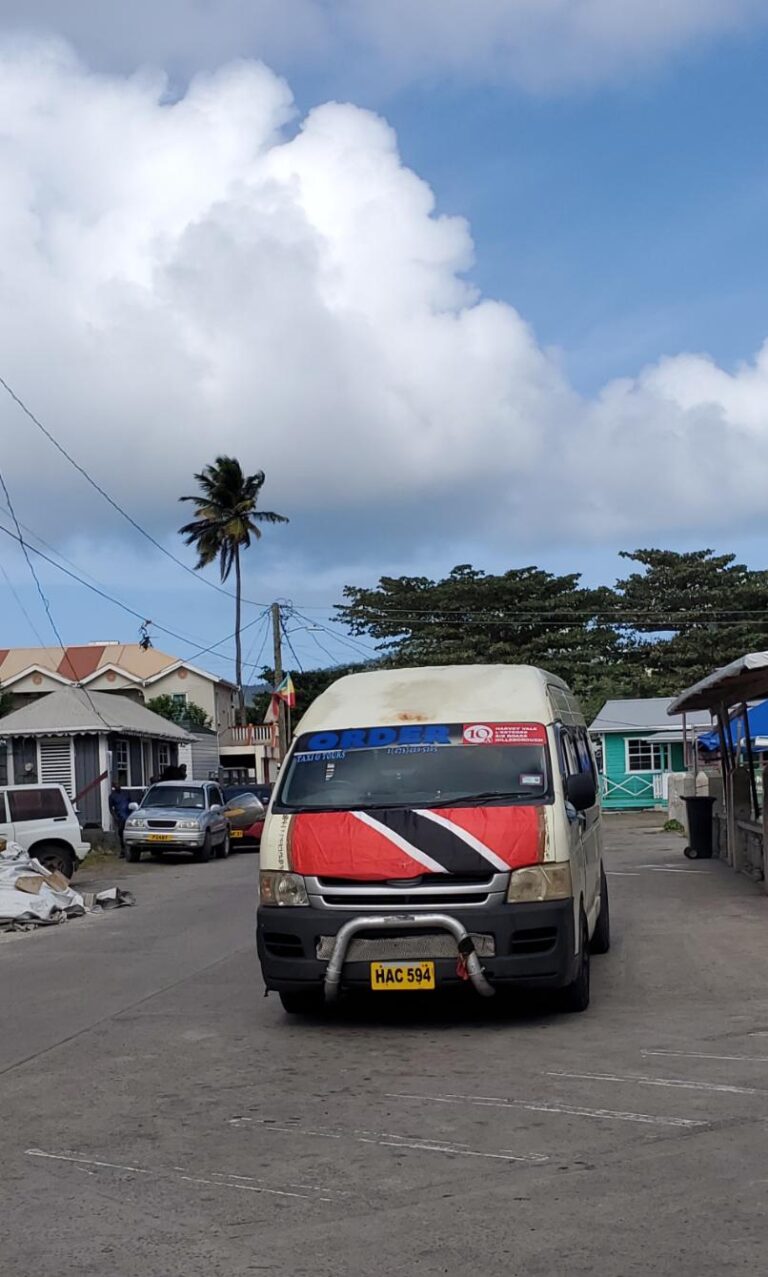
There is a designated transportation hub, a tourism center, stores, a hospital, a police station, supermarkets, ice cream shops, and restaurants. Furthermore, I think that the dishes in Carriacou are not only much more delicious than on the mainland, but also served in larger portions and at a cheaper price. The locals definitely have a “sweet hand,” to the extent that I bought a couple of different dishes to take back to the mainland.
However, oddly enough, some of the locals I interacted with do not see themselves as Grenadians, and prefer to disassociate from them…hmmm! Despite this, overall, Carriacou is a low-key, safe, and peaceful island with hospitable people.
Prepare for Blackouts – Solar Power Bank Portable Charger:66800mAh Built in Hand Crank and 3 Cables 22.5W Fast Charging Phone External Battery Pack(5 Outputs & 5 Inputs) with Camping Flashlights/Table Lamp/Compass
Prepare for Blackouts – Emergency Weather Radio NOAA/AM/FM with 4000mAh Portable Power Bank, USB/Solar/Hand Crank Charging, Flashlight, SOS Alarm, Radios for Outdoor & Indoor Hurricane, Camping Survival Essentials
OTHER IMPORTANT FUN FACTS & TIPS ABOUT GRENADA
- The languages spoken – English (official language), Grenadian Creole, and Creole French (Patois).
- Official currency – Eastern Caribbean Dollars (XCD) / EC$. Currency conversion: US$1 = EC$2.70 (before commission or bank fees).
- Nutmeg was introduced to Grenada by a Scottish merchant ship in 1843, travelling from the East Indies (modern-day Indonesia) to England. The crew dropped some nutmeg trees in Grenada, and that was the beginning of Grenada’s nutmeg industry and its title as the “Spice Isle.”
- Grenada is the home to the world’s first underwater sculpture park. The Molinere Underwater Sculpture Park was opened in May 2006 by British sculptor Jason deCaires Taylor. It features life-size cement sculptures under the Caribbean Sea. It is located off the west of Grenada in Molinere Bay, and to access it, you must dive or snorkel. However, those unable to do so can get a glimpse of it via the glass-bottom boat.
- Legal/cultural rules: Strict laws exist: E.g., wearing or carrying camouflage clothing is illegal, and drug offenses carry severe penalties. Additionally, the “F” bomb cursing is illegal, meaning the use of obscene language is an arrestable offense.
- Grenada attained its Independence from Britain on February 7th, 1974. It was also the first of the six West Indies Associated States to gain independence from the United Kingdom.
- The highest point in Grenada is Mount Saint Catherine, with an elevation of 840 meters (2,760 feet). It is in the northernmost, scenic part of the island, and part of the Mount Saint Catherine Forest Reserve.
- Christopher Columbus sighted Grenada on August 15th, 1498. He passed the island without stopping, but observed that it was mountainous, and named it Conception Island.
- Grenada is the world’s second-largest producer of nutmeg and mace. Historically known as “The Spice Islands”, it tops the world for spices such as nutmeg, mace, cinnamon, ginger, and cloves, and is only second to Indonesia.
- The national bird of Grenada is the Leptotila Wellsi (Grenada Dove).
- Grenada is a volcanic island and home to Kick ’em Jenny, an active underwater volcano discovered in 1939. Fishermen gave it this name because of the treacherous waters surrounding it, which they compare to a kick from a mule. This volcano is continuously monitored by the UWI Seismic Research Center in Trinidad and Tobago, due to its active status.
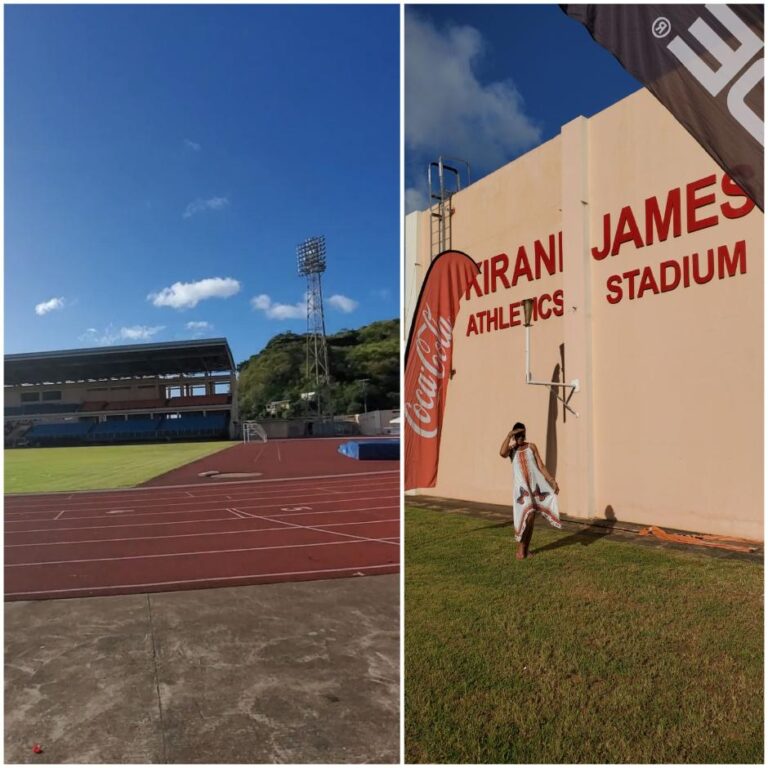
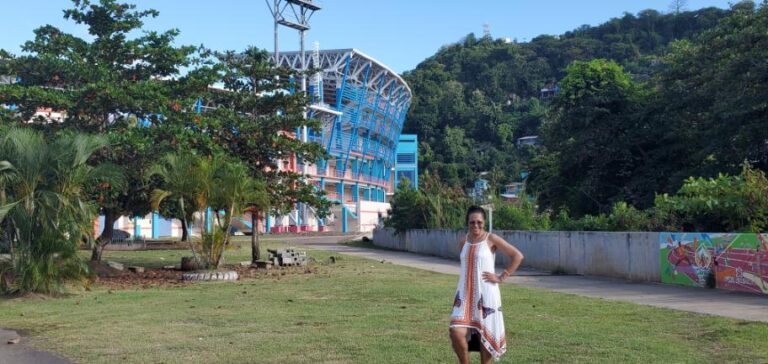
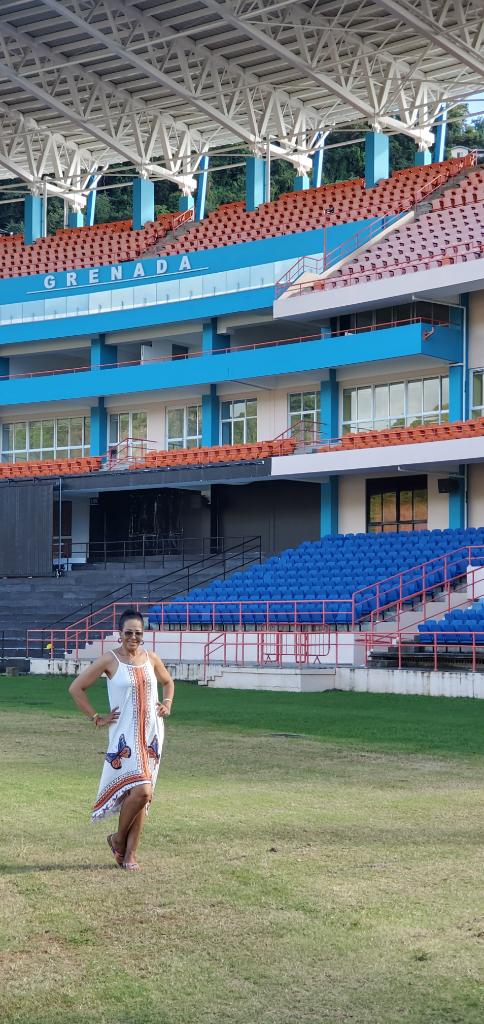
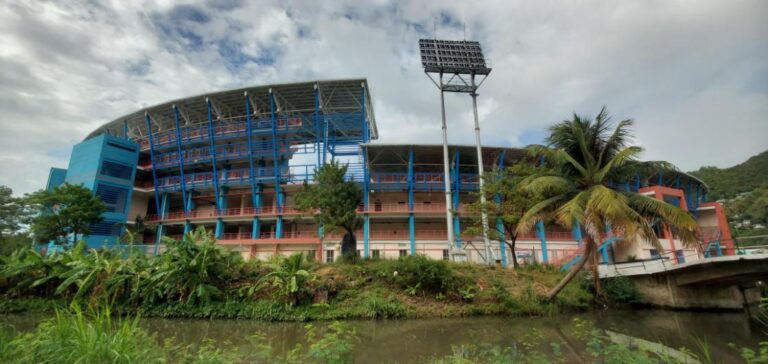
- Kirani James is one of Grenada’s sporting heroes and Grenada’s first and only Olympic gold medal winner. He is also regarded as one of the greatest 400-meter sprinters of all time. Sir Kirani James captured three historic track and field medals for Grenada: On August 06, 2012, he won his first 400-meter Olympic gold medal in the London Olympics. Additionally, he captured the silver medal in the 2016 Olympics in Rio de Janeiro, and bronze in the men’s 400 at the 2020 Summer Olympics in Tokyo. As a tribute to his accomplishments, the Grenadian government rewarded him in various ways; He was knighted with the title “Sir”, named a boulevard after him, declared September 1st a public holiday, and the stadium the “Kirani James Athletic Stadium.”
Grenada - The Spice Isle of the Caribbean Cont…
The Indigenous Caribs (Kalinago) dominated Grenada for 150 years and successfully resisted the Europeans until the mid-17th century. During this period, the French established a permanent colony, which led to the displacement and death of most of the natives.
- Same-sex sexual activity (homosexuality) is illegal in Grenada. This activity between consenting adults remains criminalized under the nation’s criminal code as “unnatural crime.” Such an offence is punishable by imprisonment for ten years.
- Grenada was once purchased by the French in 1650 and established a settlement in St George’s, the capital. However, in 1762, it capitulated to the British, and formally ceded to Britain in 1763 by the Treaty of Paris. Notwithstanding, it was recaptured by the French in 1779, but was restored to Britain in 1783.
- In September 2004, Hurricane Ivan wreaked havoc in Grenada. Unfortunately, it caused at least 39 deaths and wiped out almost all of the country’s agricultural base, and most of its tourism facilities. Further, there was about 90% damage to homes and infrastructure throughout the island, with an estimated cost of $815 million.
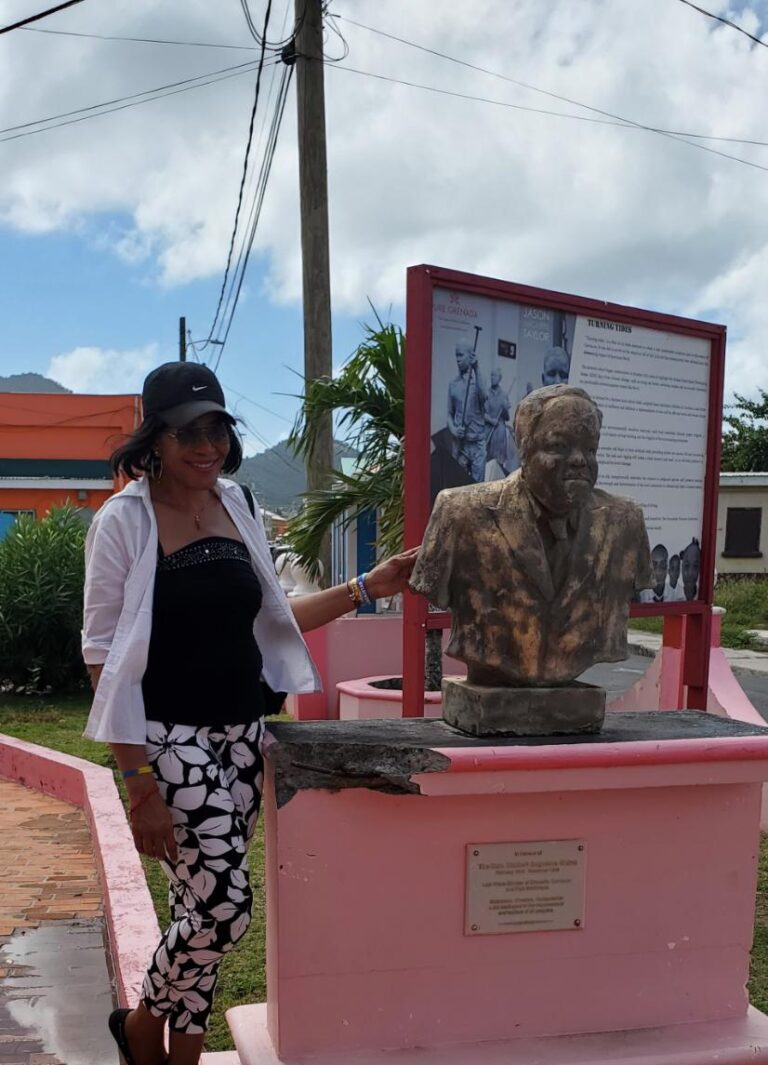
- Grenada is the first English-speaking Caribbean country to have successfully overthrown a government. On March 13th, 1979, while Sir Eric Gairy, Prime Minister of Grenada, was out of the country, he was ousted via a military coup led by Maurice Bishop, the leader of the New Jewel Movement (NJM) party. Bishop was installed as Prime Minister under the newly established People’s Revolutionary Government (PRG). However, in 1983, the administration ended in a military coup during which Bishop was killed. Less than a week later, on October 25th, 1983, a US-led invasion of the island left over 100 injured, 24 Grenadian civilians dead, and with an interim government led by Nicholas Brathwaite. Following this was a democratic election in December 1984. Interestingly, the date of the U.S. invasion in 1983 is now celebrated as a national holiday called Thanksgiving Day.
- According to the new Air Quality Index Report (AQI), Grenada is ranked No. 2 worldwide (second to Iceland) for the world’s cleanest air. According to the latest air quality report, Grenada’s air is among the purest in the world and among the seven countries globally that meet the World Health Organization (WHO) standard for clean air.
- Grenada is among the four countries with the world’s lowest suicide rate, not only in the Americas but worldwide. The other three are: Antigua and Barbuda, St.Vincent and the Grenadines, and Barbados.
- The best time to visit Grenada is from December to April, when the weather is warm, dry, with little or no rain, low humidity, and cooler temperatures. It is also the peak travel period, and so it is a bit more expensive. May to June also has lots of sunshine, but with higher humidity, fewer crowds, and somewhat cheaper accommodations. The months June to November is the wet season with higher humidity and more rain. It is considered the off-peak period, with fewer crowds, but perfect for budget travellers. However, you are almost guaranteed lots of sunshine during the island’s annual Spice Mas in July/August.
- Grenada hosts one of the major nesting sites of leatherback sea turtles in the Caribbean. Moreover, Levera Beach in the Levera National Park is the primary nesting site for thousands of turtles during the peak season. It is a heavily protected area, so to access it, an authorized tour guide must accompany you.
- The national flower of Grenada is the Bougainvillea.
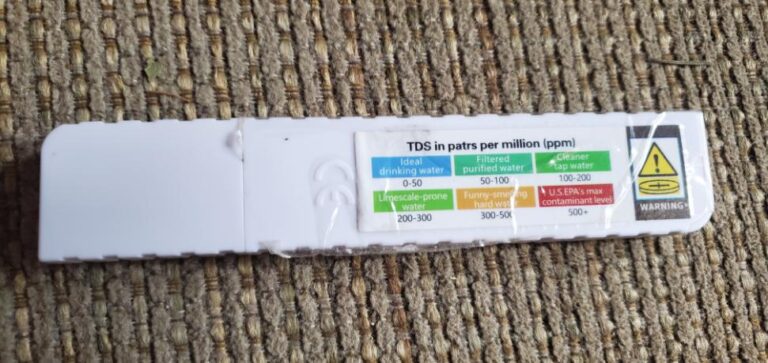
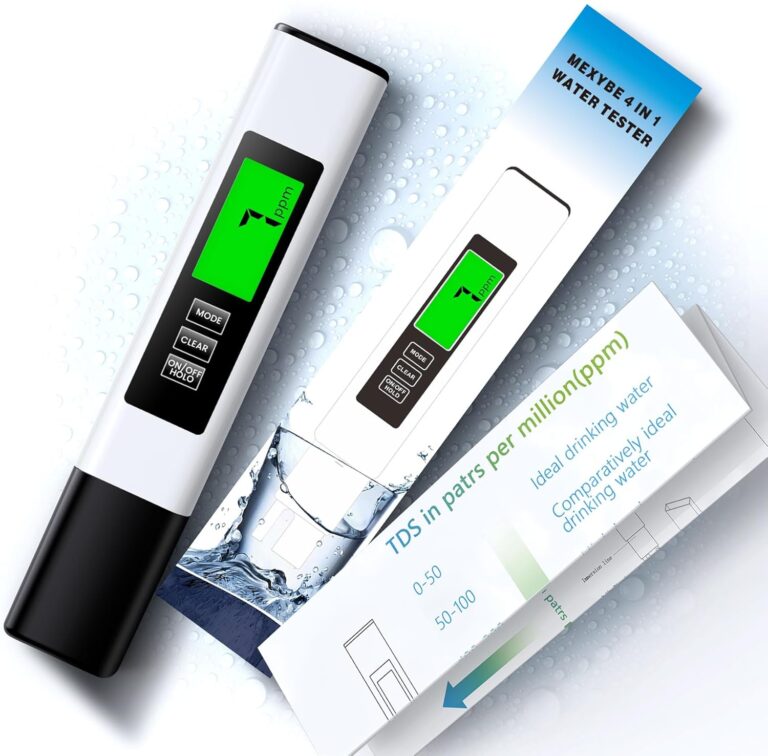
- Grenada and St.Vincent and the Grenadines’ tap water is among the purest-tasting in the Caribbean. Besides its taste, according to my travel Meter Digital Water Tester, both countries have almost perfect tap water. Their tap water test results were 60 ppm (in my country, it is 210 ppm). According to the tester, a reading of 0 to 50 is the purest form of drinkable water, and 500+ is the least drinkable water. Keeping in mind that rainwater and distilled water (the purest forms of water) both have a rating of 10 ppm. In fact, the tap water in these two countries was of a better quality than many bottled waters I had purchased both in and outside these countries.
- Leapers Hill (also known as Carib’s Leap) is a historic site in Sauteurs (meaning Jumpers in French), Grenada. It is the location where, in 1651, forty indigenous Kalinago (Caribs) people jumped from cliffs to their deaths, rather than surrender to the French colonists. Presently, the site is commemorated with a memorial cross and plaque as a reminder of the event.
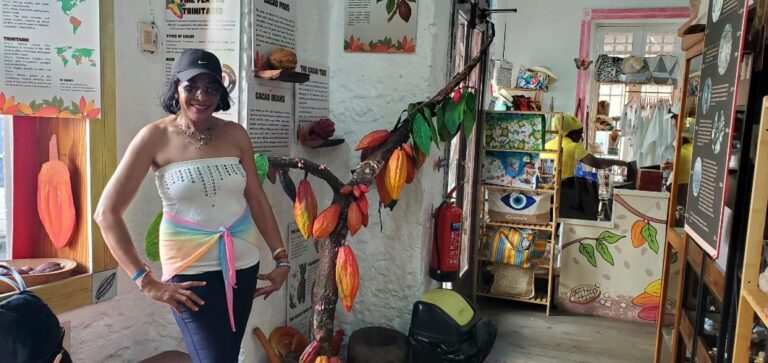
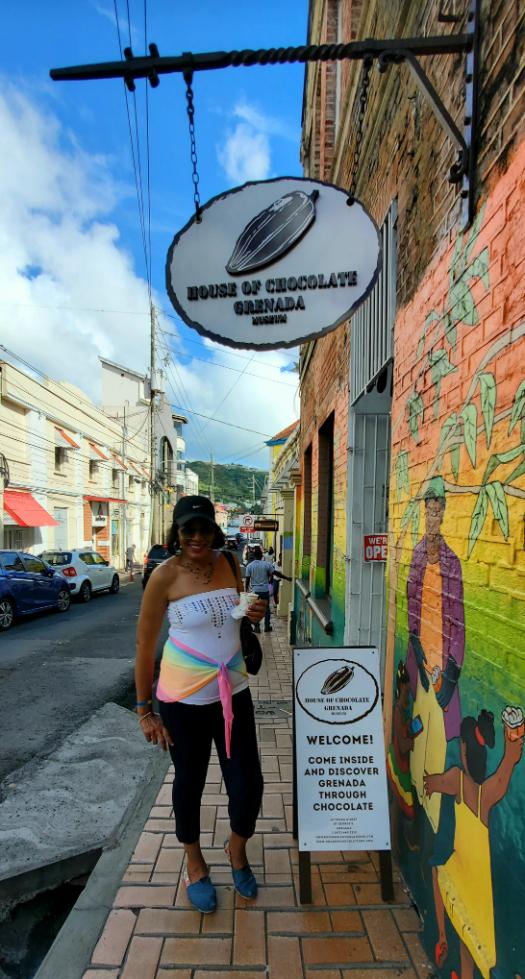
- Grenada is famous for cultivating all three varieties of cocoa worldwide. Grenada House of Chocolates, located in the capital city, Saint George’s, is where you can taste the different types of cocoa and chocolates.
- Be sure to exchange greetings with the locals; otherwise, they will see you as being impolite or rude.
- Grenada is a member of the Caribbean Community (CARICOM), the Commonwealth of Nations, and of the United Nations. It is also a member of the Organization of the Eastern Caribbean States (OECS) and the Organization of the American States (OAS).
- Grenada is an island almost half-covered by forests, but without any venomous snakes.
- Most of the Grenadian population is of African descent (approximately 85%) from African slaves. The remainder is a large minority of mulattoes and mixed race (African/Caucasian/East Indian), European, East Indians, and Indigenous people.
- Grenada is one of the five Caribbean countries without a physical U.S Embassy. The other four are Dominica, St. Lucia, Antigua and Barbuda, St. Kitts & Nevis, and St. Vincent and the Grenadines.
- The three most important holidays in Grenada are: Grenada Carnival “Spice Mas”, celebrated during the second week of August, Thanksgiving Day, October 25th, and Independence Day, February 7th.
- Grenada is among 28 countries without a UNESCO World Heritage Site.
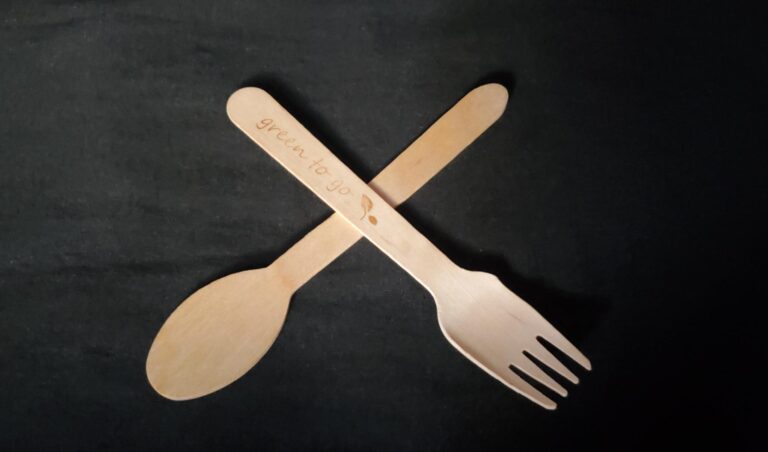
- To align with environmental preservation and policies, Grenada has implemented a total ban on, and strictly restricts single-use petroleum-based plastics. Rather, it strongly promotes biodegradable and compostable alternatives from natural sources, such as wood and paper. Therefore, in accordance with the Environment Levy Act, they prohibit all supermarkets, restaurants, vendors, etc. from using Styrofoam or plastic bags, food containers, and cutlery (knives, spoons, forks, etc.). It was quite visible that everyone was compliant and that the initiative works. Because all food containers and drinking straws I received during my visit were made of paper, and cutlery of wood.
- Grenada has lots of mosquitoes. I am uncertain if it’s a year-round problem, but do not visit without some (#Ad) Mosquito Repellent Patches or (#Ad) Sand flies and all insect Repellent. Because you will definitely need some protection from mosquito bites while visiting.
ABOUT THE PEOPLE OF GRENADA
The residents of Grenada are known as Grenadians; similarly, those in the sister islands of Carriacou and Petite Martinique. Notwithstanding, many Carriacou locals with whom I spoke prefer not to be identified as s Grenadians but preferably as “Carriacouans,” for various reasons. Nevertheless, all locals are very outgoing, hospitable, jovial, and friendly people. They are among the friendliest people in the Caribbean, alongside Guyana, the land of Many Waters.
Grenadians are predominantly of African, mixed (African and European or Indian) heritage. They are community-based, like socializing and interacting with visitors, and are as vibrant and spicy as their spices and “Spice Mas.” However, Grenadians are religious people and practice Christianity. Most of the locals take church attendance seriously: Here is a perfect example: I departed the island on a Sunday, and tried to organise a taxi to the airport the previous day. However, more than two taxi drivers declined the job, because they said they had to attend church.
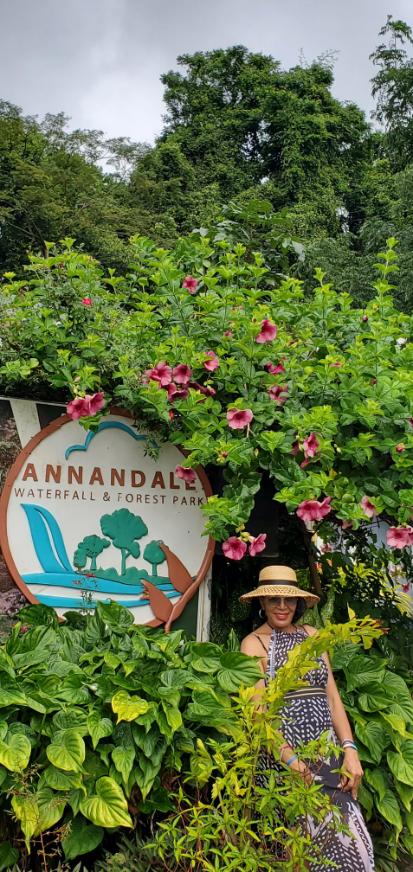
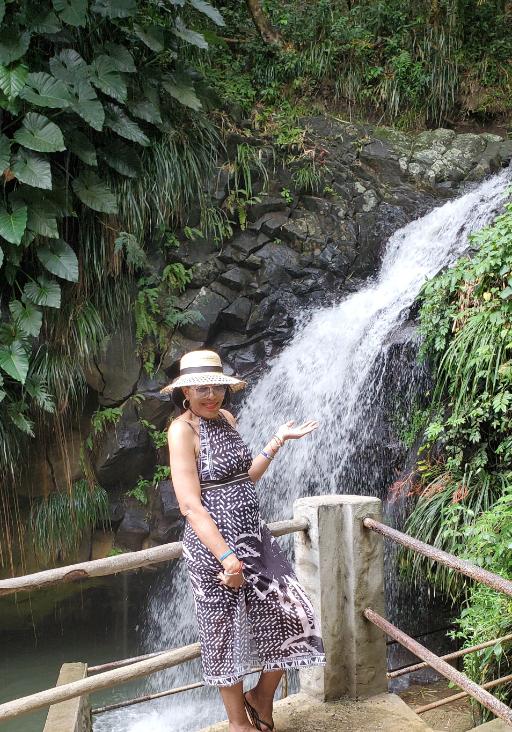
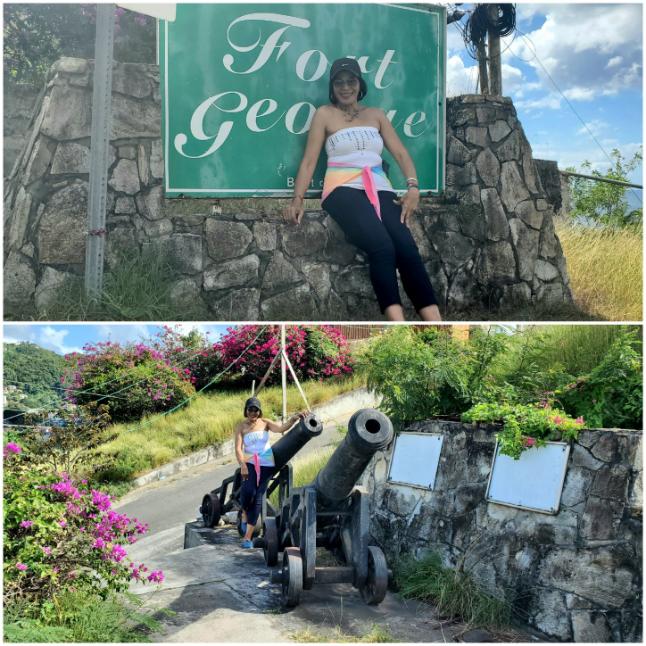
Overall, Grenadians are helpful and kind and will go out of their way to assist you. From arrival to departure, I felt the warmth of the people. Beginning with the ladies and the gentleman at the airport, and from there, countless other helpful and sincere people throughout my stay. Here are a few examples and special mentions: The security officer at Fort St. George, who took my photos and offered me mangoes, and the police officer, who offered me a ride to the ferry terminal. The young gentleman who heard me inquiring about and asking the driver to stop at the Annandale Waterfalls and Park, and who decided to accompany me as a kind gesture,…and all with no ulterior motives. BRAVO!! Thanks for the hospitality.
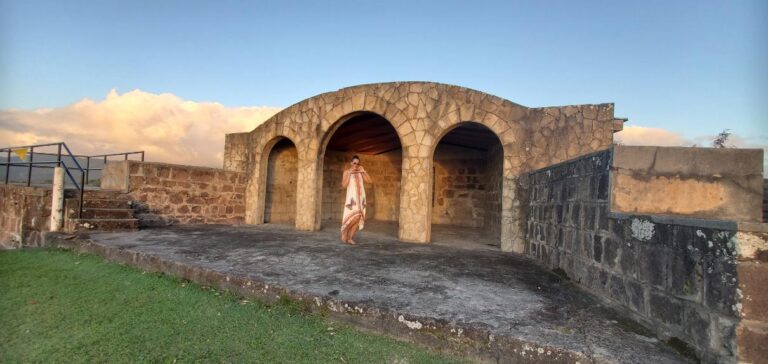
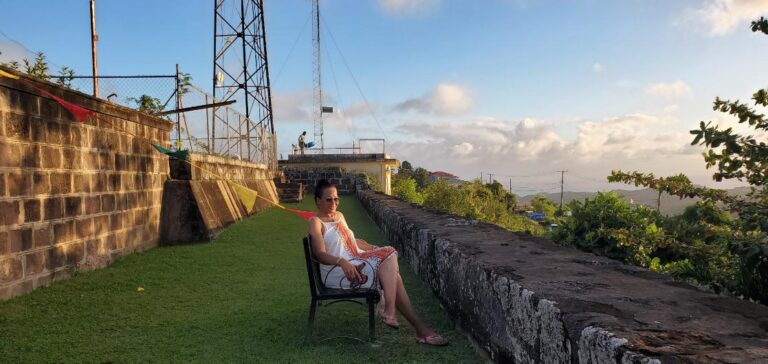
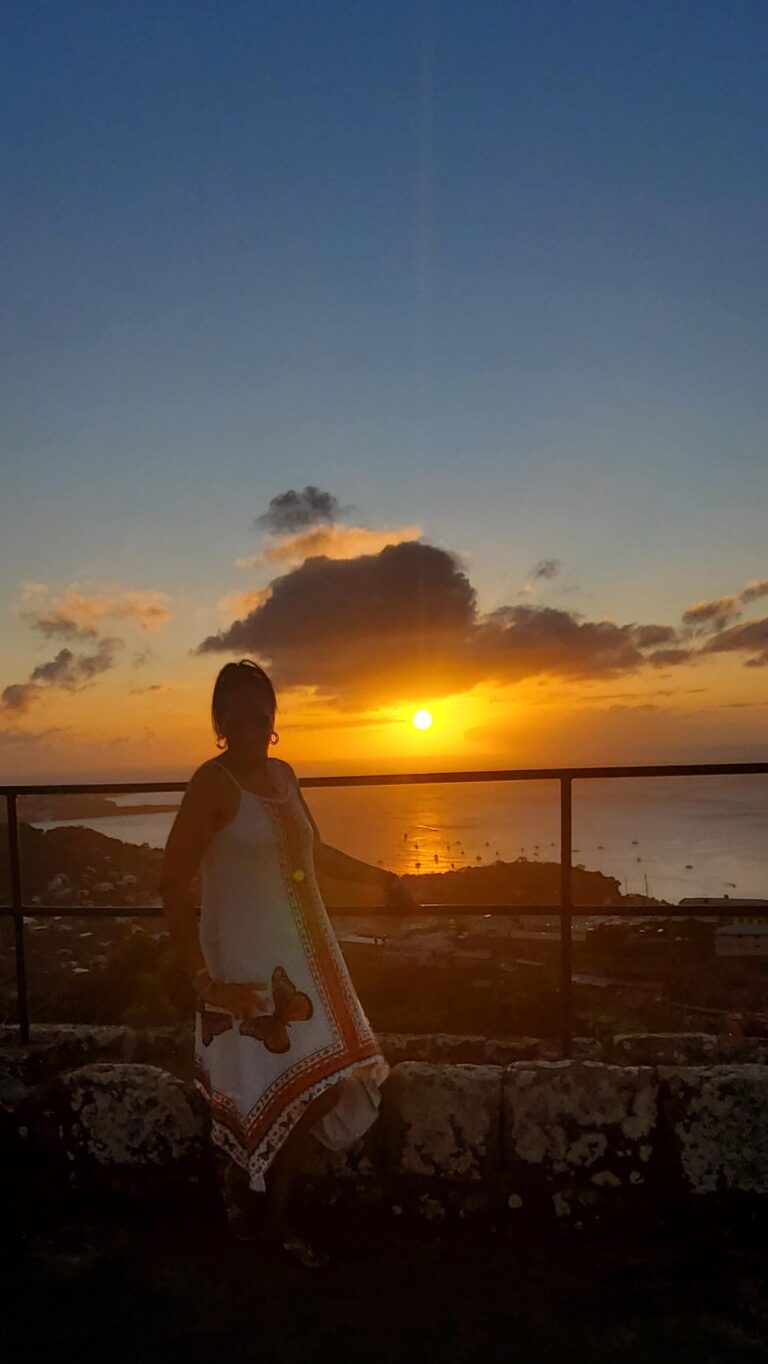
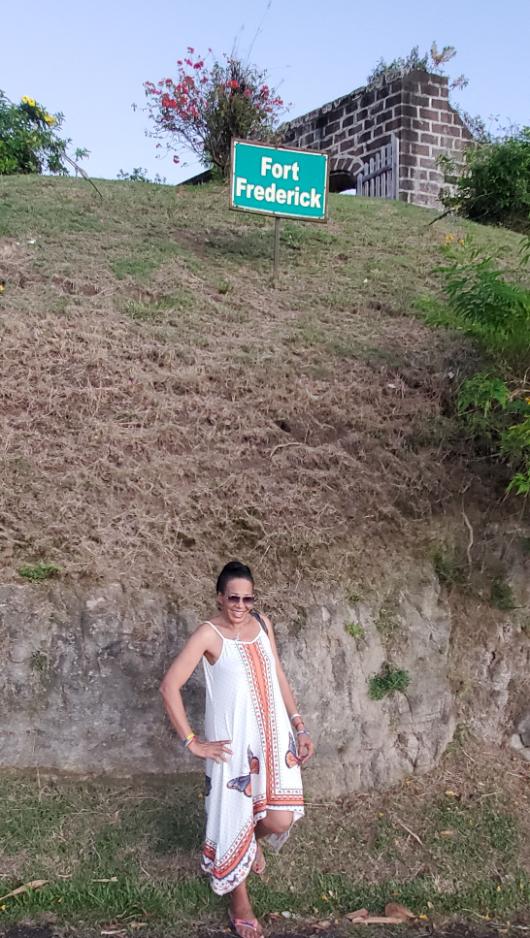
A special hello and thanks also to “Grenada’s next big photographer.” During my visit to Fort Frederick, I met many children playing and enjoying the fort while their parents supervised. One girl (she looked under 12 years old), seeing me taking photos, smiled when I passed by and eagerly offered to take my photos. I was a bit hesitant because of her age, but she insisted that she loves taking photos, so I allowed her. As you can see from my shots at the fort, she did an excellent job. Both she and her mom said she wants to be a photographer. I think she has great potential. FYI, she never asked for anything, but I was so impressed that I compensated her and her playmates, and advised her mom to nurture her gift.
Not forgetting to mention a fellow author like me (Rita), whom I met and chatted with at the airport as if we had previously met, and as fate would have it, our seats on the plane were next to each other. She not only shared her interesting stories with me, but also her sweet treats. Additionally, a big thanks to the male and female security officers at the Kirani James Stadium, for allowing me entry and a quick photo opt. Lastly, I cannot forget the local market vendors (who always engaged me in long, friendly conversations), taxi and bus drivers, and guesthouse staff (a special hello to Christie, keep up the excellent work). A big hello and thank you to all Grenadians for your kindness and hospitality. I felt at home in Grenada! Therefore, it is my view that Grenada is definitely one of the friendliest people and countries to visit worldwide.
Grenada - The Spice Isle of the Caribbean Cont…
4 in 1 Tds Meter Digital Water Tester – Accurate and Reliable TDS EC & Temp(°C,°F) Meter – 0-9999ppm – Professional Testing for Drinking Water, RO/DI System, Aquariums etc
GRENADA SAFETY AND SECURITY
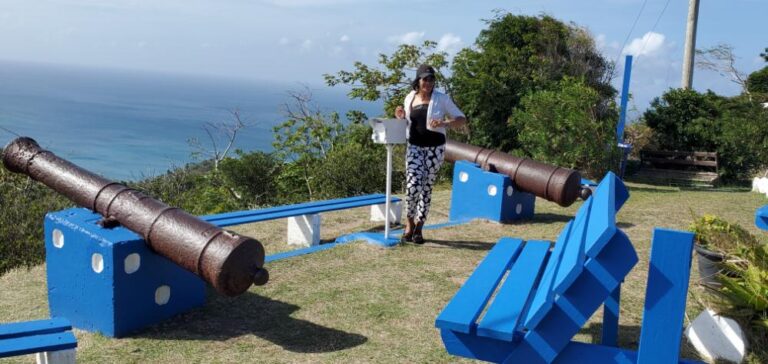
Grenada is generally regarded as one of the safer countries worldwide. It has a low crime rate by regional standards and is often ranked among the safest Caribbean islands. Grenada has a strong, close-knit community culture and visible policing. Most crimes in Grenada are non-violent, such as pickpocketing and petty theft. I must mention an incident in Carriacou; after returning to the bus station from the Hospital Hill lookout, I accidentally left my telephone on the bus; however, it was promptly returned to me while I was still there.
Moreover, violent crimes (e.g., armed robbery or assault) are very rare, especially in tourist areas, unlike in some other neighbouring countries where it is the norm. Actually, twice I mistakenly went to bed, with my room door unlocked and had no issue in the morning. Because the fear factor of double and triple-checking my door for safety reasons, went out the door upon arrival in Grenada.
However, it does not mean letting your guard down; you need to be vigilant in all foreign countries, because no country is 100% crime-free. Therefore, still exercise caution in secluded and crowded areas, and make yourself a hard target for opportunist criminals. Overall, Grenada is relatively safe, and visitors will enjoy a safe and stress-free vacation.
Disclosure
CoraDexplorer Affiliate Disclosure
Some of the links on this blog/website are affiliate links, and if you purchase products or services through these links a commission may or will be paid to the owner of this website. The amount of commission varies from product to product. All commission earned helps in the funding of this blog/website.
As an Amazon Associate, this site also earns from qualifying purchases.
“Prices will be the same whether you use the affiliate link or not, you will NOT pay more by clicking through said affiliate links. You are guaranteed a 100% safe link in helping to keep this site going”.
Steripen – Compact handheld ultraviolet light (UV) water purifier designed specifically for outdoor/travel use. It destroys over 99.9% of harmful bacteria, viruses and protozoa
AirTamer personal Travel Air purifier. Breathe Cleaner Air Everywhere. It emits millions of negative ions that push harmful airborne pollutants and Virus away from your breathing zone thereby creating a sphere of cleaner air.
HOW EXPENSIVE ARE THE ACCOMMODATIONS, MEALS, AND TRANSPORTATION?
Prices for almost everything in Grenada are expensive. Especially when visiting from a more affordable country, and having visited many of the cheapest and most expensive countries worldwide. Therefore, when comparing prices with those in other countries, Grenada is definitely not budget-friendly. Furthermore, the only inexpensive thing on the island is public transportation (bus), excluding the public ferry, which costs EC$160.00 (US$62) for a round-trip ticket to Carriacou.
As previously written, a budget-friendly country is one where, for example, accommodation costs between US$20 and US$40, and US$10 can purchase two to three hearty meals (not junk or fast food) daily. In Grenada, the minimum cost for the most basic meal at a local restaurant is US$8, and basic accommodation, grocery items and even fruits at local markets are also very expensive.
Another example is that a basic souvenir fridge magnet in the city (opposite the Esplanade Mall) costs at least US$8. Funny story: I asked the lady selling the magnets the cost of the cheapest one, and she said eight dollars. I then began mentally converting it to USD, thinking she meant EC$8.00 (US$3), which I thought was expensive. Nonetheless, I wanted it, so I unwillingly gave her the EC$8. However, surprisingly, she said, “No, it is US$8.” Of course, I did not purchase it. because in a moderate to budget-friendly country, these items usually cost around US$1-US$2, maximum. Such exorbitant prices are what you would pay in super-expensive countries like Iceland, Monaco, Liechtenstein, and Switzerland.
Nevertheless, Grenada is not out of the reach of budget travellers. I recommend accommodation in an apartment, guesthouse, or hostel, rather than standard hotels. Additionally, to save on meals, grocery shop and cook, or eat at the local eateries, which cost less than restaurants or beachside resorts. Most importantly, if you plan well in advance and travel outside the peak tourist season, you will find prices more favourable and budget-friendly.
The Hamilton Beach Home maker not only knead and bake breads but also cakes, just add ingredients and walla..hot bread!) .
It can also knead just dough only without baking, it that your wish. The Hamilton bread maker can be used to make jams and jellies as well.
(Having used this machine for the past 9 years plus, I can proudly say it is the best kitchen appliance…everrr)
ABOUT GRENADIAN FOOD
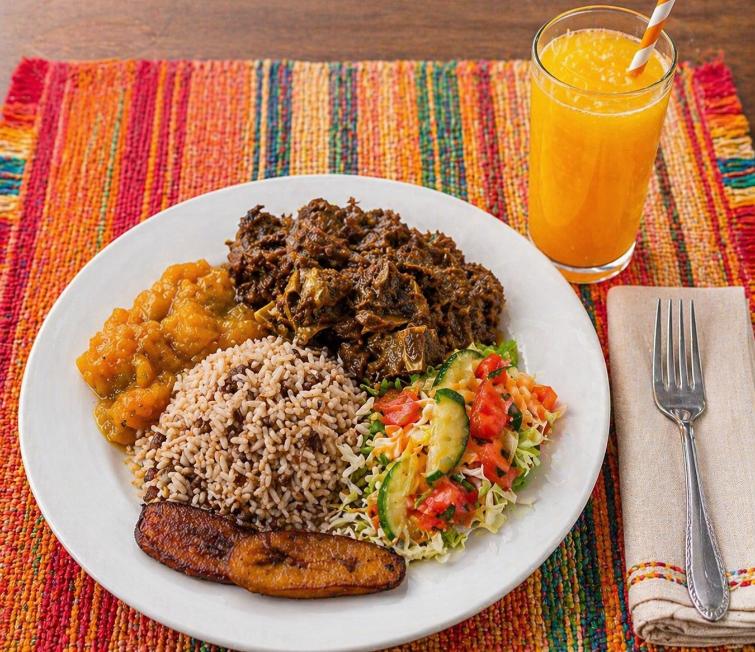
Grenadian cuisine is a fusion of French, Creole, African, British, and West Indian traditions and influences. Its dishes reflect the ‘Spice Isle of the Caribbean, and are celebrated for their rich production of locally grown nutmeg, cloves, cinnamon, ginger, and other spices, which are most noticeable in its cuisine. Additionally, root crops and an abundance of seafood form part of the locals’ daily consumption. For this reason, Grenadian dishes, especially its Oil Down, seafood dishes, and stews, are mouth-watering, spicy, authentic, and truly delicious. Below are six of its many dishes you must try when visiting Grenada, the Spice Isle of the Caribbean.
Grenada - The Spice Isle of the Caribbean Cont…
6 MOST POPULAR GRENADIAN FOODS YOU MUST TRY
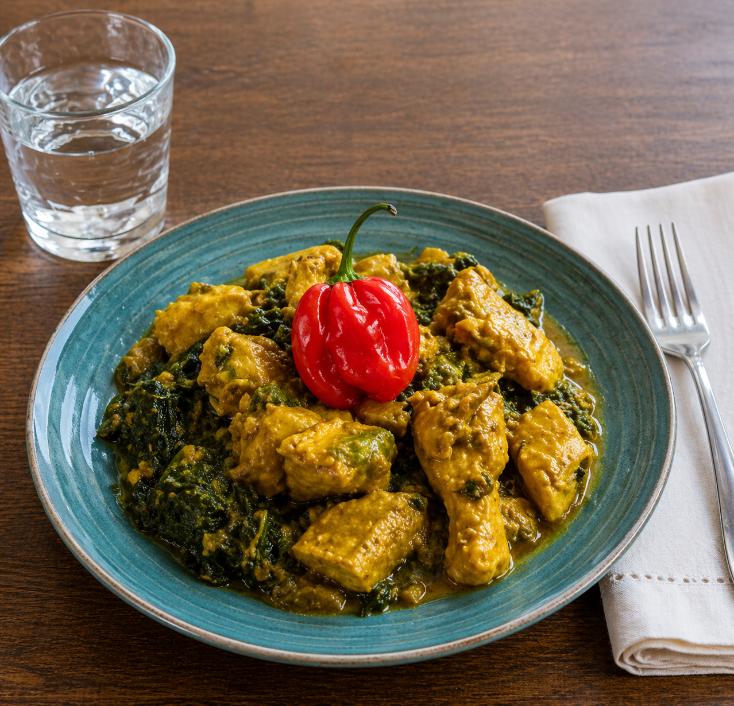
- Oil Down (national dish) – a primary Grenadian dish consisting of meats such as salted pigtails, pig feet, trotters, salt beef, and chicken, and provisions such as cassava, yams, and potatoes. They also add plantain, breadfruit, dumplings, spices, and sometimes callaloo (dasheen) leaves, which are cooked in coconut milk until absorbed, leaving a bit of the coconut oil in the bottom of the pot.
- Crab back – this dish is made with crab meat, mixed with spices. The meat is stuffed back into its shell, topped with bread crumbs, and baked. They often serve it as a starter.
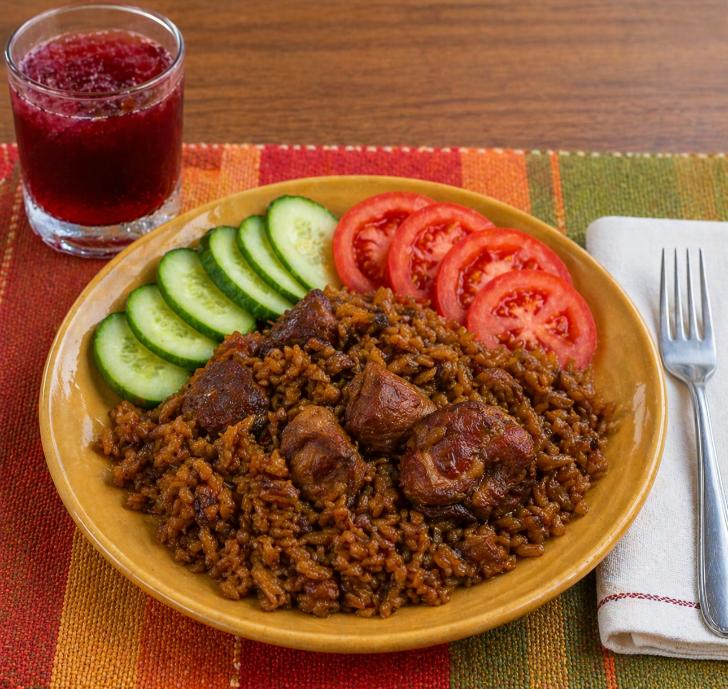
- Pelau – a one-pot rice dish which includes pigeon peas, coconut milk, spices, and meat. The rice dish is brown in colour due to the caramelized sugar-based browning process of the meat, which also gives the pot its flavour.
- Coo Coo (Coo Coo Poi) – “Polenta with pigeon peas.” This dish is made with cornmeal, okra/ochro, coconut milk, and spices cooked to a smooth consistency, and left to cool and “firm time with fish.
- Les Sambie (souse) Conch – also called “Lambie Waters” by the locals (not made with lamb…Grenadians call conch, lambie). This is a popular dish on the island, and it has different names. It is made with tenderized conch, vegetables, onion, garlic, pepper, and other seasonings, and then cooked and finished with a squeeze of lime juice.
- Nutmeg Ice cream – a must-try sweet treat made with the main spice and export of Grenada.
6 MUST-DO/VISIT SITES OF INTEREST IN GRENADA
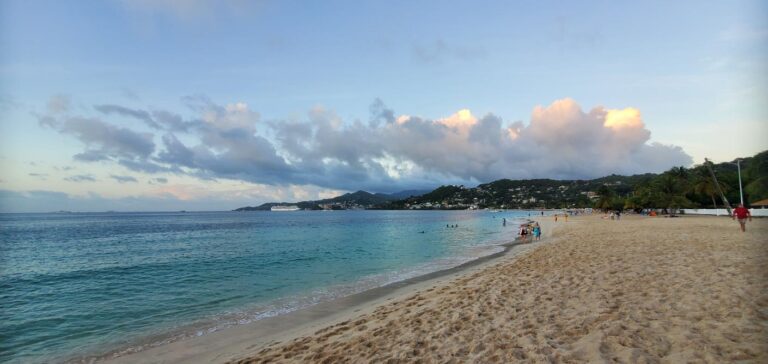
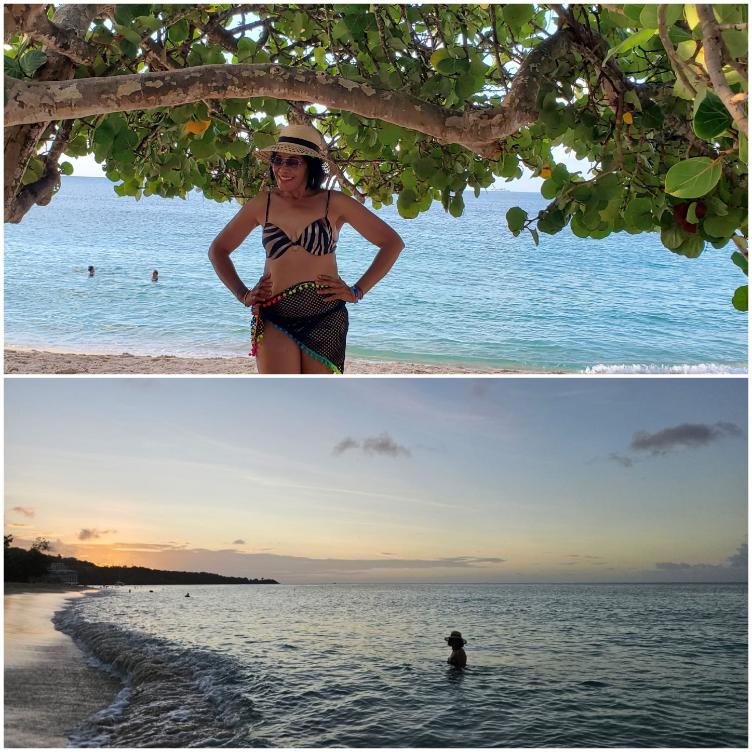
- Grand Anse Beach – one of the nicest beaches in Grenada. This world-famous stretch of soft white sand and clear blue water is perfect for swimming and relaxing.
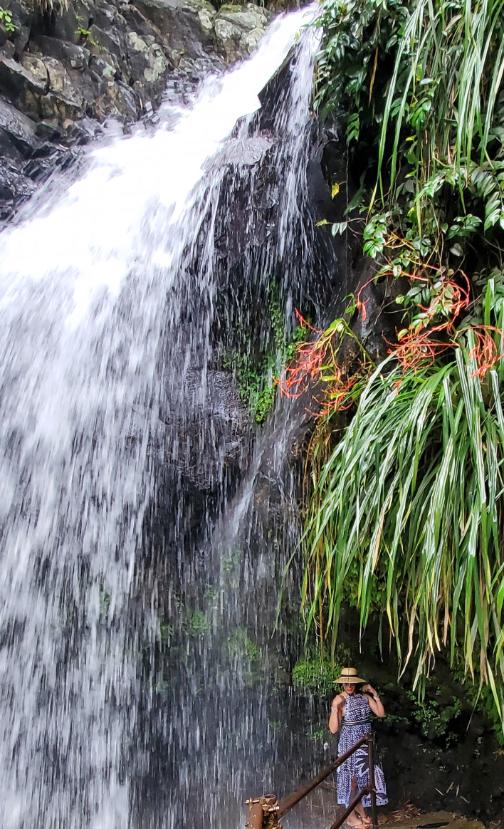
- Annandale Falls or Seven Sisters Falls (aka St. Margaret Falls) – for those who like hiking, the Seven Sisters Falls is a 25-40-minute hike, and an entry fee of EC$5.00. It is a challenging, but enjoyable hike through the forest to this beautiful waterfall, where you can also swim. Additionally, Annandale Falls is about a 20-minute drive from the city and is an easily accessible and picturesque waterfall with a gorgeous pool.
- Tour the Chocolate Factory at Belmont Estates – here you will experience the “tree-to-bar” chocolate making process. At this site, you will sample freshly-made chocolates, walk through the lush plantation, and explore the Heritage Museum. Additionally, you can learn about Grenada’s chocolate history by visiting the House of Chocolate, an interactive mini-museum showcasing the history of chocolate and cocoa in Grenada. Besides, you can grind your own coffee and observe live chocolate making. The museum also has a cafe that offers a variety of treats, including ice cream, cakes, chocolates, and beverages.
- Molinere Underwater Sculpture Park – constructed in 2006, and the first such park worldwide. This waterpark comprises 75 life-size sculptures and is perfect for snorkellers or scuba divers who desire to be up close to them. For those like myself who cannot dive or snorkel but would love a glimpse of the sculptures, the next option is the glass-bottom boat. However, the boat operators require a minimum allotment to sail. Therefore, if you are a solo traveller and visit on a slow day with no possibility of sharing the boat with others, you will be unable to experience it. Such was my experience. Therefore, please be aware of this before visiting.

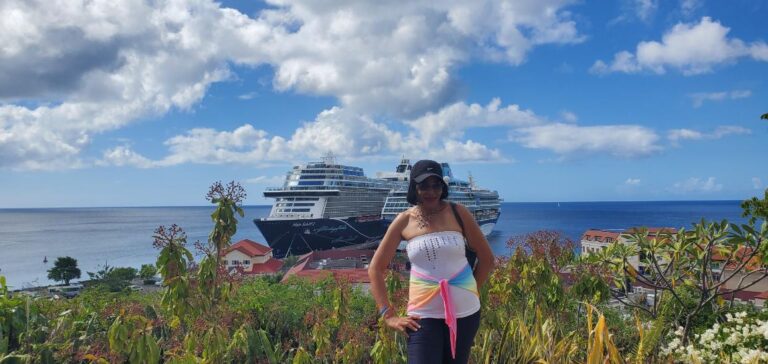
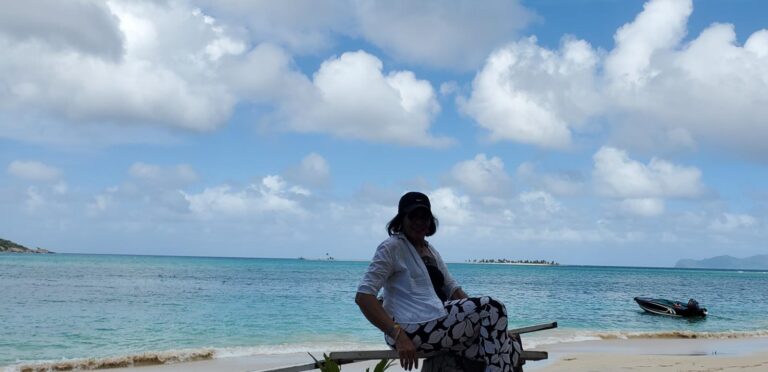
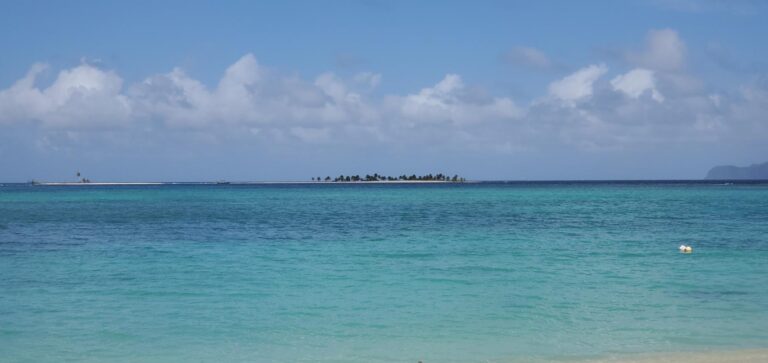
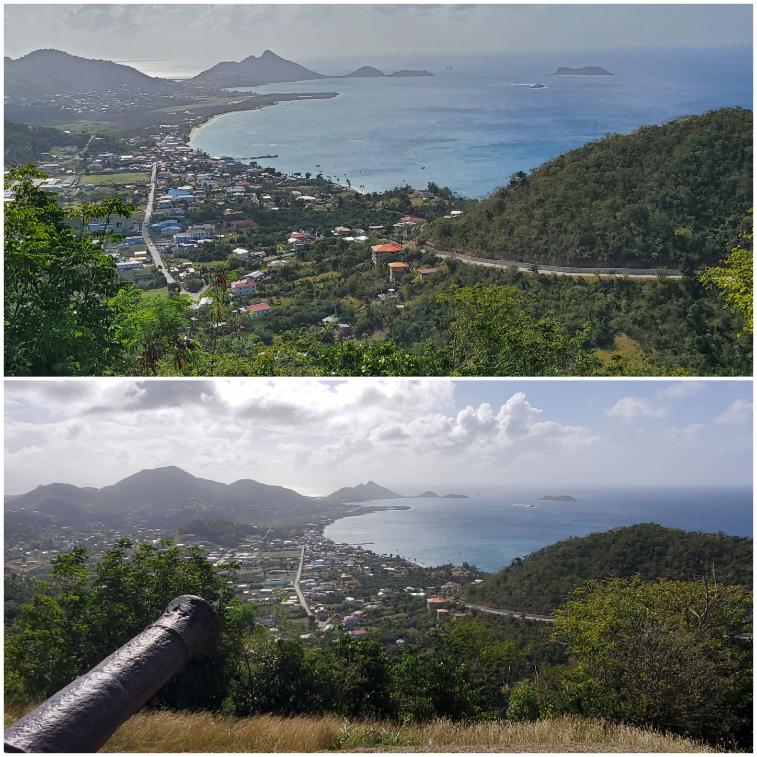
- Visit Carriacou and or Petite Martinique – take a ferry ride to Carriacou and enjoy Paradise Beach (a simply gorgeous beach) among many others equally as beautiful, and Hospital Hill for the best view of Hillsborough Bay, Mabouya Island, Sandy Island, and Esterre Bay. FYI, Carriacou has the best-tasting food (better than the mainland Grenada), and not only that, it is also cheaper and in larger portions. Carriacou is simply a must-visit. The ferry ride to Carriacou costs EC$160.00 (US$62.00) round-trip and takes approximately two hours. Some parts of the journey were really rough. However, on return, the sea was somewhat calmer.
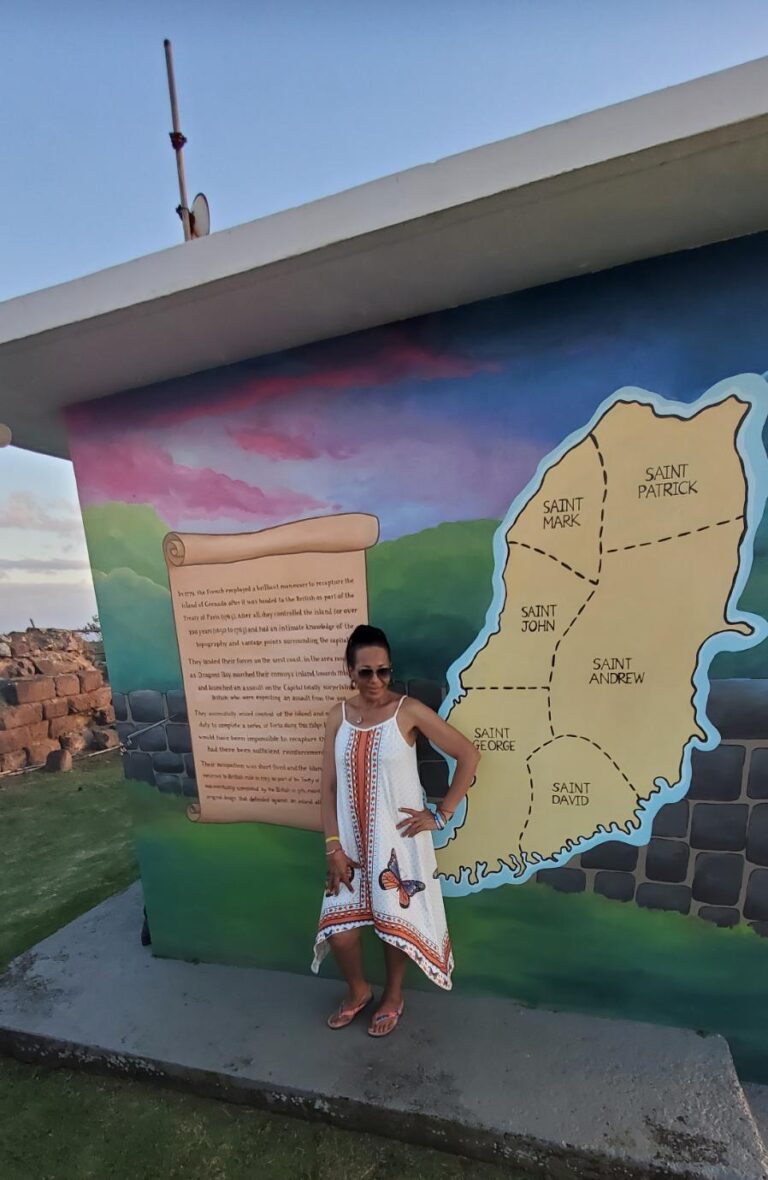
- Fort George, Fort Mathew, and Fort Frederick – Fort George offers amazing views of the city’s harbour and parts of downtown, although the main part of the lookout was closed for renovations at the time of my visit.
Fort Frederick (built in 1783) is known as the “Backward-facing fort” because its cannons pointed inland rather than out to sea. It offers breathtaking panoramic views of St.George’s, the Carenage, and the Caribbean Sea, with gorgeous sunsets. Moreover, it served as the headquarters for the People’s Revolutionary Army (PRA) during the Grenadian Revolution in 1979.
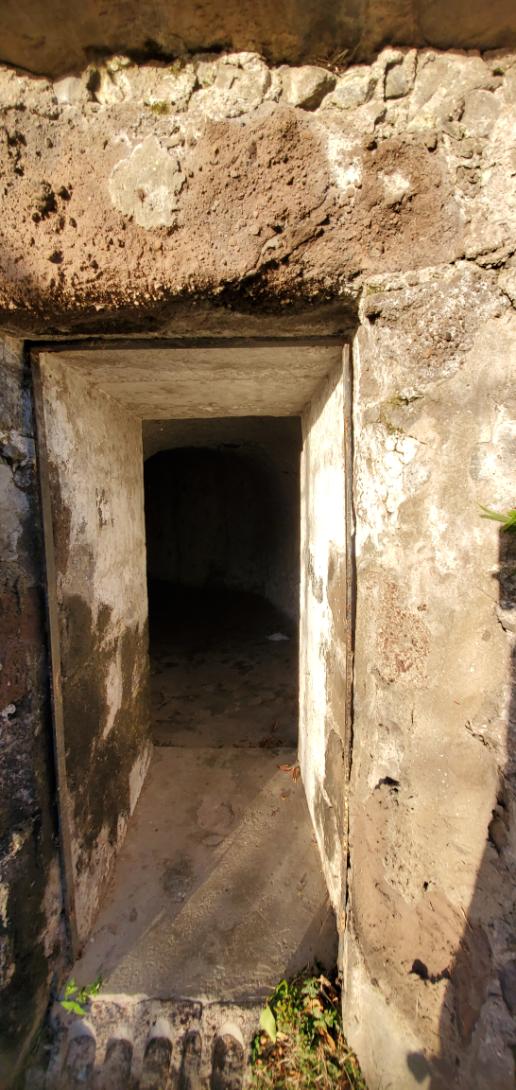
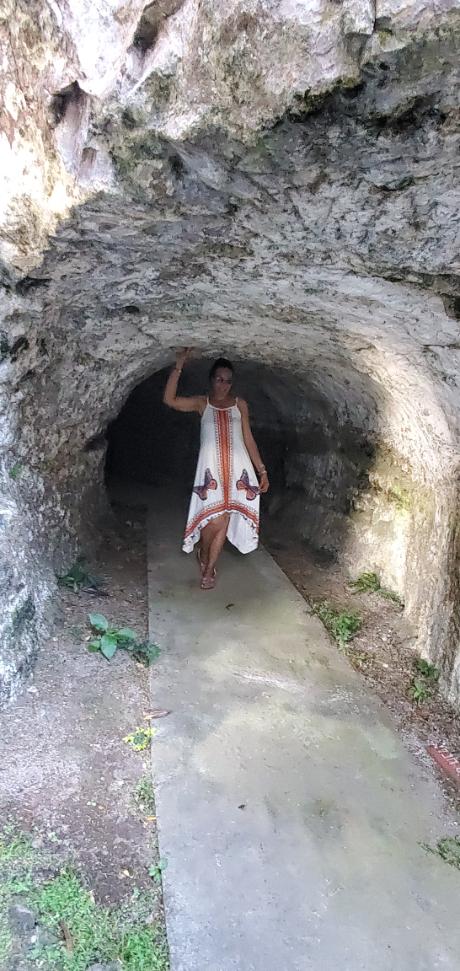
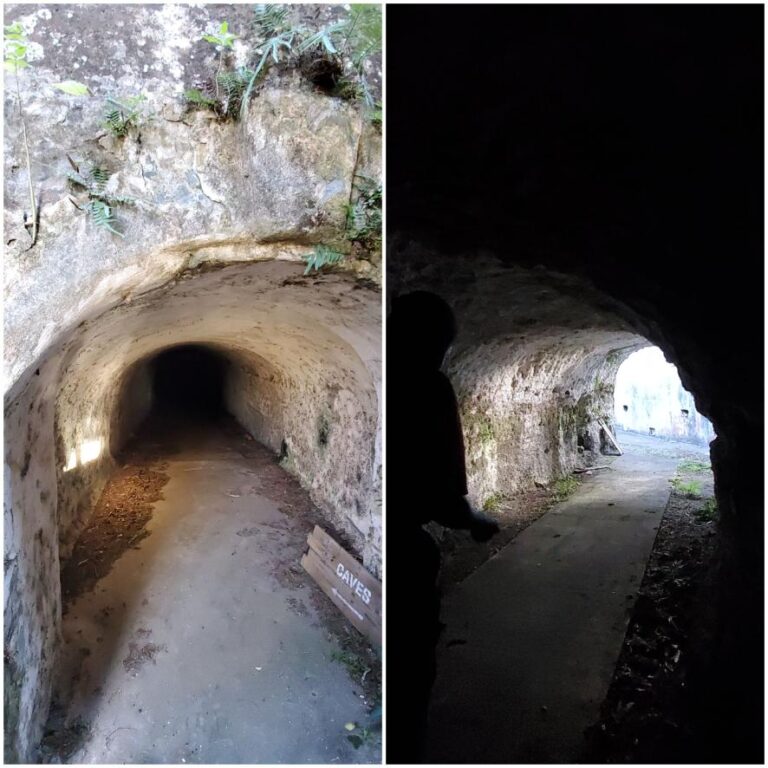
Mere steps away from Fort Frederick is Fort Mathew, an 18th-century fortification, and the island’s largest fort. It features dungeon-like tunnels and former cell blocks. Beyond its history, it once served as a mental hospital, which was mistakenly bombed during the 1983 American operation (Operation Urgent Fury), causing multiple civilian deaths at this site. This historic site also served as a defunct nightclub/bar.
Grenada - The Spice Isle of the Caribbean Cont…
FINAL THOUGHTS
Please use the share buttons below on scroll, if you wish to share anything on this page. The + button offers more share icon options when clicked.