Caribbean travels

GUYANA – THE LAND OF MANY WATERS

*******FOR THE LOVE OF TRAVEL********

GUYANA - THE LAND OF MANY WATERS

GUYANA - THE LAND OF MANY WATERS

The Co-operative Republic of Guyana (formerly British Guiana pre-independence) is a country on the northern coast of South America. Geographically, it is bordered by the Atlantic Ocean to the north, Brazil to the south/southwest, Suriname to the east, and Venezuela to the west. Guyana’s population is almost 800,000, and its capital is Georgetown.

It is considered one of the world’s most diverse countries because it is multi-ethnic, comprising a mixture of Chinese, Indian, African, European, and indigenous peoples. Guyana, the land of Many Waters, was so-named “Guiana” (an Amerindian word) by the indigenous people, which means “Land of Many Waters” because of its numerous major watercourses (waterfalls, lakes, and rivers such as the Essequibo, Demerara, Berbice, and Corentyne) and its world-famous Kaieteur Falls, the world’s largest single-drop waterfall, by volume,

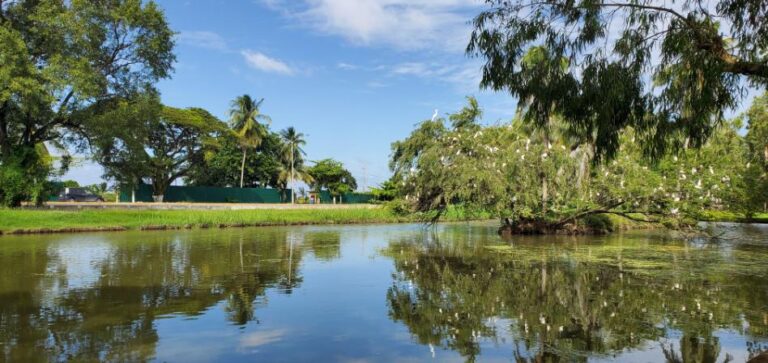
Ponds at Guyana National Park, with trees covered by white birds- Guyana. Guyana, the Land of Many Waters
Ponds at Guyana National Park, with trees covered by white birds
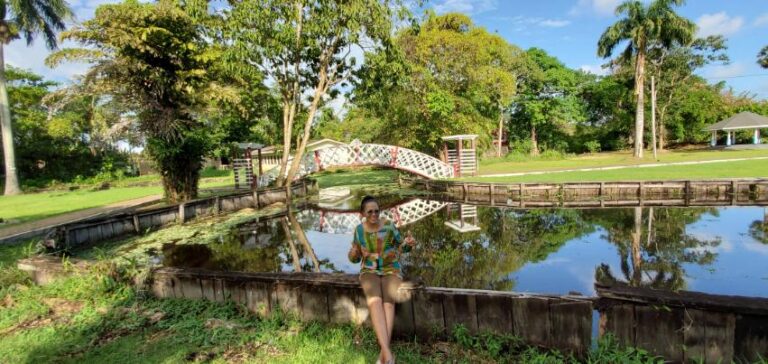
Enjoying the scenery of the Kissing Bridge (Botanical . Gardens) - GeorgetownGuyana, the Land of Many Waters
Enjoying the scenery of the Kissing Bridge (Botanical Gardens)

Guyana is known for its rich natural resources, diverse wildlife, and rich cultural heritage. It was once heavily dependent on forests, sugar cane, rice, bauxite, timber, and gold, all of which continue to be major exports. However, the country’s economy was revitalized by the discovery of deep-water oil fields in 2015, and this has led the country to have the fastest-growing economy in the world. Presently, its major money earner is mineral fuels, particularly crude petroleum. Please continue reading to learn more about my visit to Guyana, the Land of Many Waters.

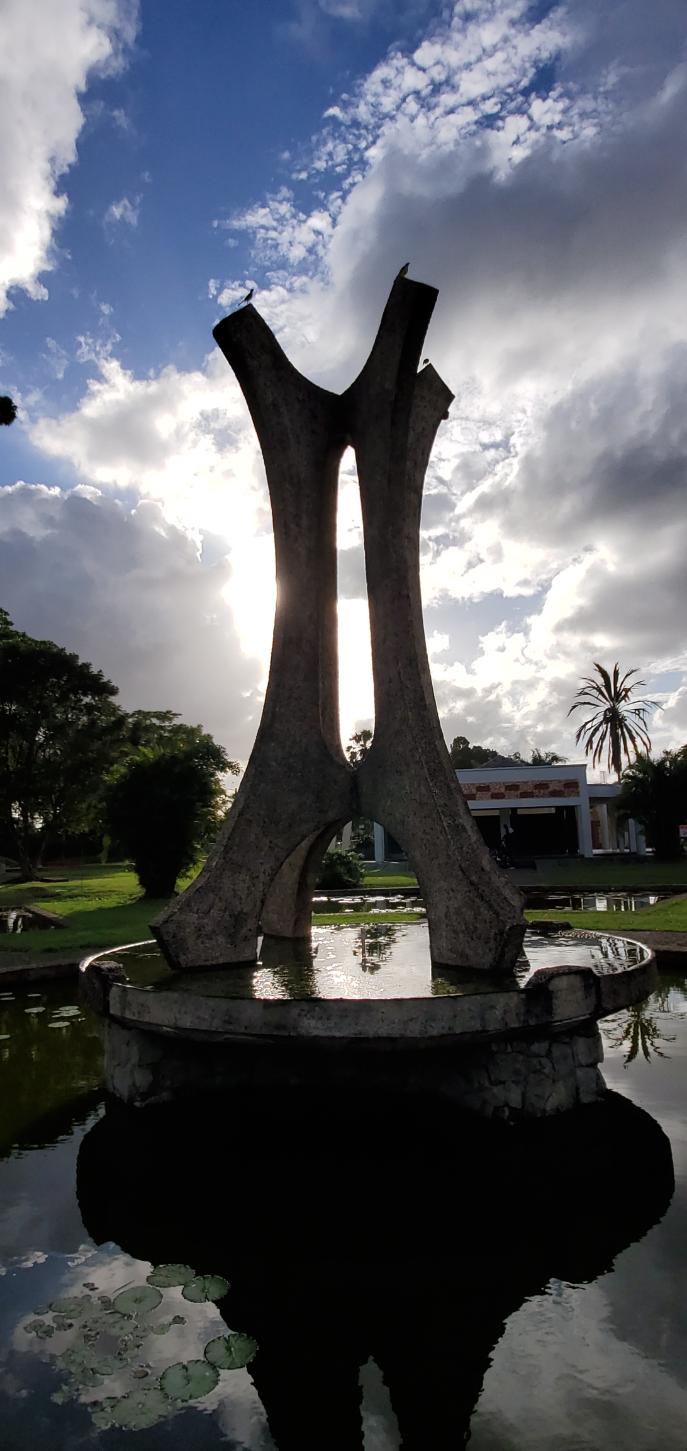
The Seven Ponds Monument (Botanical Gardens).
The Seven Ponds Monument (Botanical Gardens)

GUYANA – THE LAND OF MANY WATERS Read More »
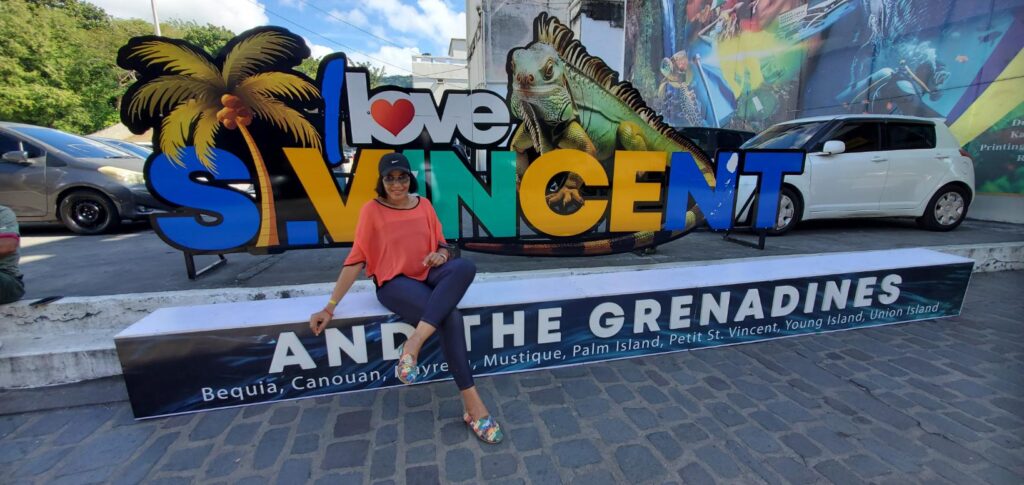
St. Vincent and the Grenadines the Gem of the Antilles

St. Vincent and the Grenadines the Gem of the Antilles

*******FOR THE LOVE OF TRAVEL********

ST. VINCENT AND THE GRENADINES - THE GEM OF THE ANTILLES

ST. VINCENT AND THE GRENADINES - THE GEM OF THE ANTILLES

St. Vincent and the Grenadines is an independent, Commonwealth island nation in the Eastern Caribbean. Located in the Windward Islands, it sits south of Saint Lucia and north of Grenada in the Lesser Antilles. The country comprises over 32 islands and cays, with St. Vincent the main island. Its capital is Kingstown, and the population is approximately 100,000.  

St. Vincent and the Grenadines, the Gem of the Antilles, lives up to its title from its towering La Soufriere volcanic peak to its lush rainforests and striking black and white sand beaches; the landscapes are nothing short of stunning.

In fact, its national flag features three green diamonds in the centre, symbolizing the “gems” of the Antilles.

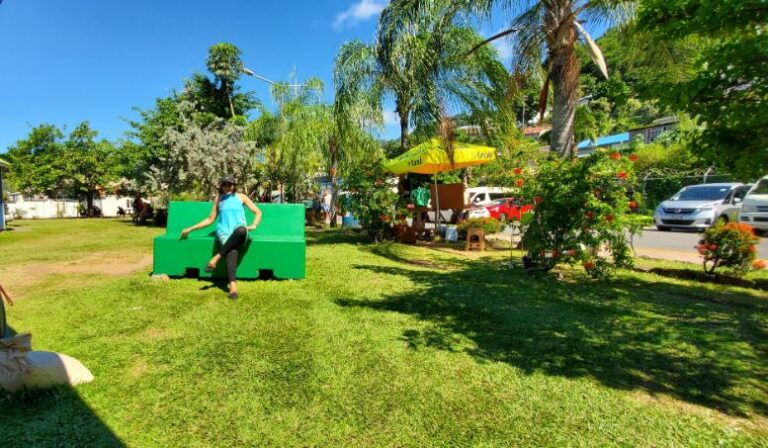
Enjoying the garden at the Kingstown Port/ Ferry harbour

St. Vincent and the Grenadines the Gem of the Antilles Read More »
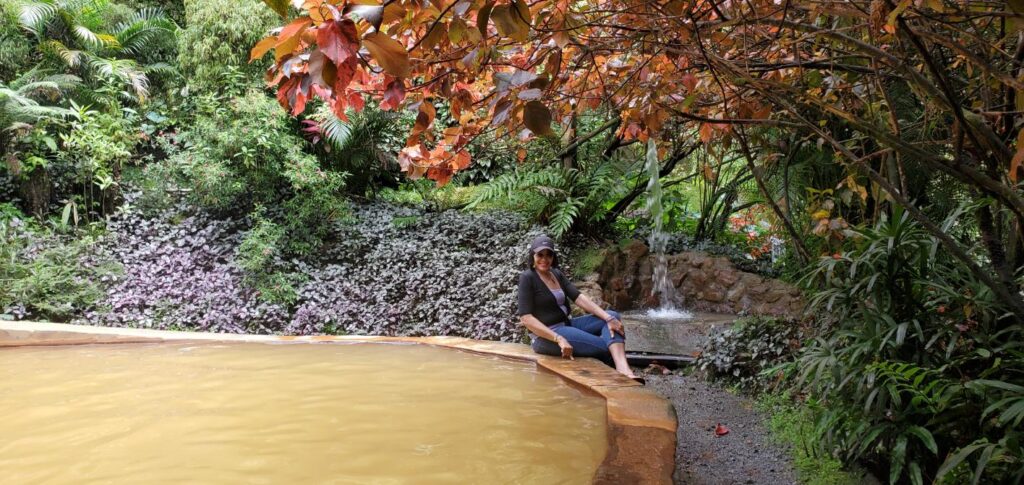
Dominica – the Nature Island of the Caribbean

DOMINICA – THE NATURE ISLAND OF THE CARIBBEAN

DOMINICA – THE NATURE ISLAND OF THE CARIBBEAN

The Commonwealth of Dominica is an independent island country in the Eastern Caribbean, south of the Leeward Islands. It is the northernmost of the Windward Islands, and should not be confused with the Dominican Republic, the Spanish-speaking Caribbean nation that shares a land border with Haiti. Dominica has a population of nearly 73,000, and its capital is Roseau. Why is Dominica the Nature Island of the Caribbean? It truly lives up to its title because of its unspoiled, natural beauty. The island features rainforests, lush valleys, boiling lakes, hot and cold sulfur springs, volcanic peaks, rivers, waterfalls, and springs at every turn.

Unlike many other Caribbean islands, Dominica has not submitted to mass luxury resort tourism. Instead, it maintains an authentic and intimate atmosphere. As a result, its untouched environment is ideal for nature seekers, hikers, and travellers who want to connect deeply with nature. Although the island has beaches, they are not its main attraction. Due to Dominica’s volcanic makeup, most beaches have black volcanic sand (similar in texture to white sand, but black in colour).

Dominica is among the poorer Caribbean islands and has an agriculture-based economy. It produces and sells bananas, citrus fruits, vegetables, and coconuts, and exports soaps, cocoa, coffee, essential oils, and minerals, electronic equipment, and furniture. Please continue reading to learn more about travelling to Dominica, the Nature Island of the Caribbean.

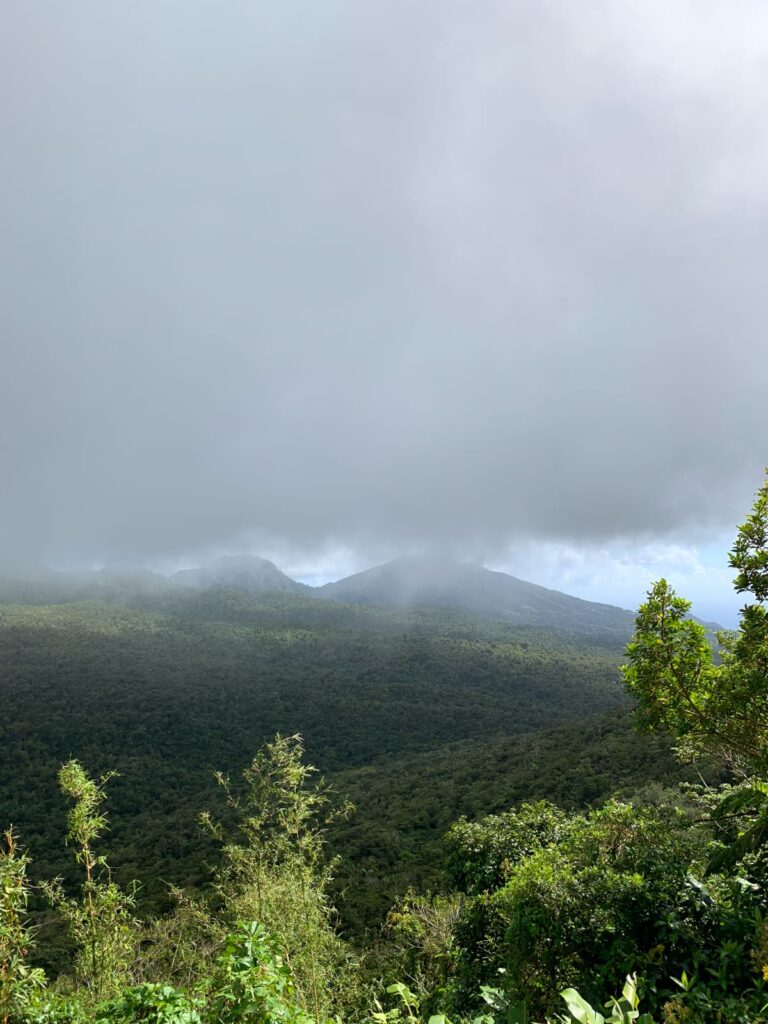
Morne Diablotins. Dominica, the Nature Island of the Caribbean.
Morne Diablotins
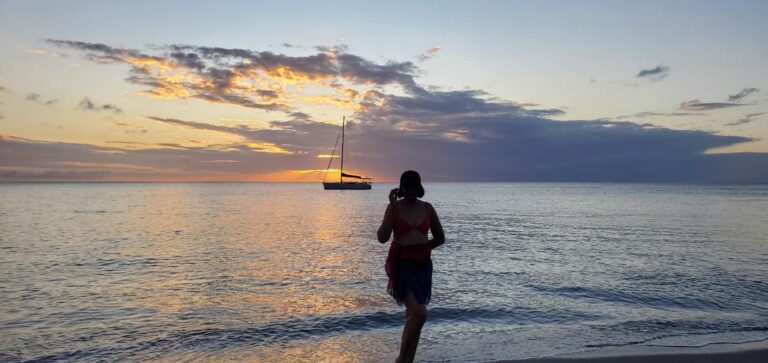
Enjoying sunset at Mero Beach
Sunset at Mero Beach. Dominica, the Nature Island of the Caribbean.
Sunset at Mero Beach

Dominica – the Nature Island of the Caribbean Read More »
MARTINIQUE, THE CARIBBEAN ISLAND OF FLOWERS

MARTINIQUE – THE CARIBBEAN ISLAND OF FLOWERS

MARTINIQUE – THE CARIBBEAN ISLAND OF FLOWERS

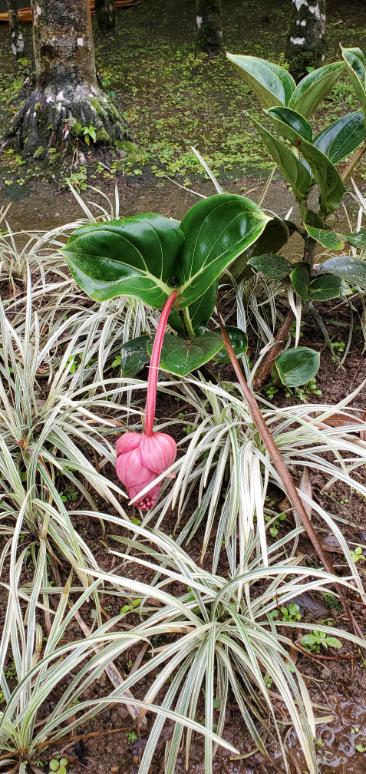
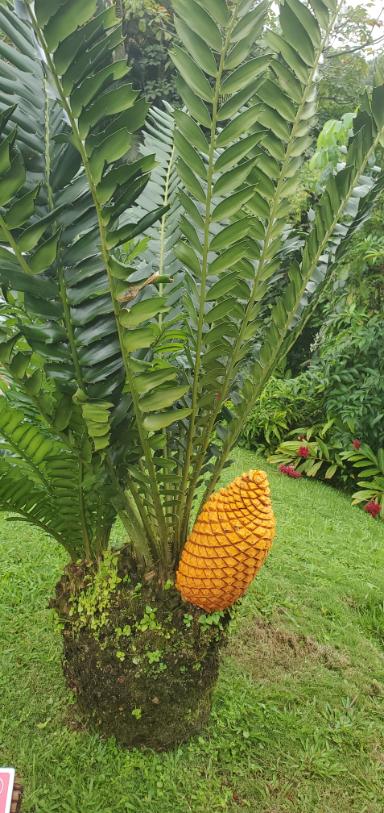
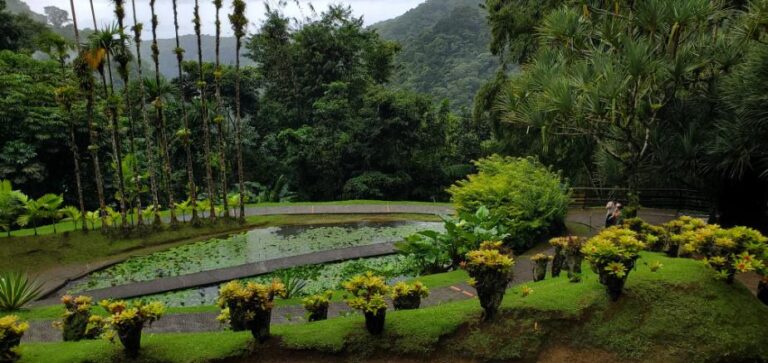
Martinique is a French Caribbean island in the Lesser Antilles. It is located precisely in the Windward Islands, between St Lucia and Dominica. Its capital is Fort-de-France, and it has a population of almost 350,000. Moreover, Martinique is known for its pristine beaches, volcanic landscapes, rich history, and its blend of French and Caribbean cultures. Martinique, the Caribbean Island of Flowers, is so named because  its rich volcanic soil and tropical rainfall, create the ideal condition for dense, lush, colourful, and diverse flora to thrive.

Furthermore, the island stands out as one of the Caribbean’s premier destinations because it offers the best of both worlds- modern amenities and pristine, unspoiled nature. Tourism is a primary part of its economy due to its beautiful beaches and natural scenery. In addition, other important industries include rum production, banana farming, sugar cane, and other agricultural products. Please continue reading to learn more about my visit to Martinique – the Caribbean Island of Flowers.

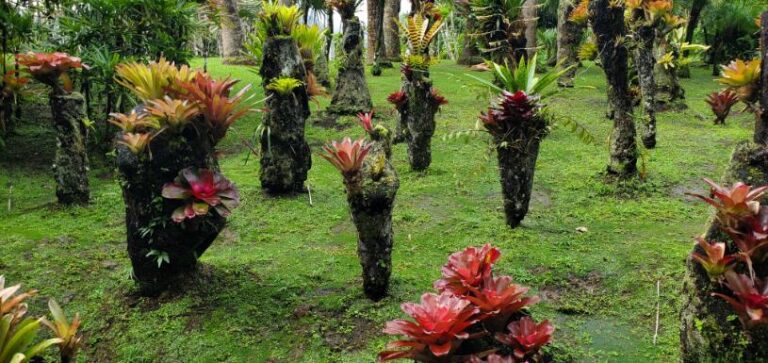
The beautiful flowers at the Balata Garden. Martinique, the Caribbean Island of Flowers
The beautiful flowers at the Balata Garden
The beautiful flowers at the Balata Garden. Martinique, the Caribbean Island of Flowers
The beautiful flowers at the Balata Garden
The beautiful flowers at the Balata Garden. Martinique, the Caribbean Island of Flowers
The beautiful flowers at the Balata Garden
Enjoying the lush greenery at the Balalta Gardens
The beautiful flowers at the Balata Garden. Martinique, the Caribbean Island of Flowers
The beautiful flowers at the Balata Garden

MARTINIQUE, THE CARIBBEAN ISLAND OF FLOWERS Read More »
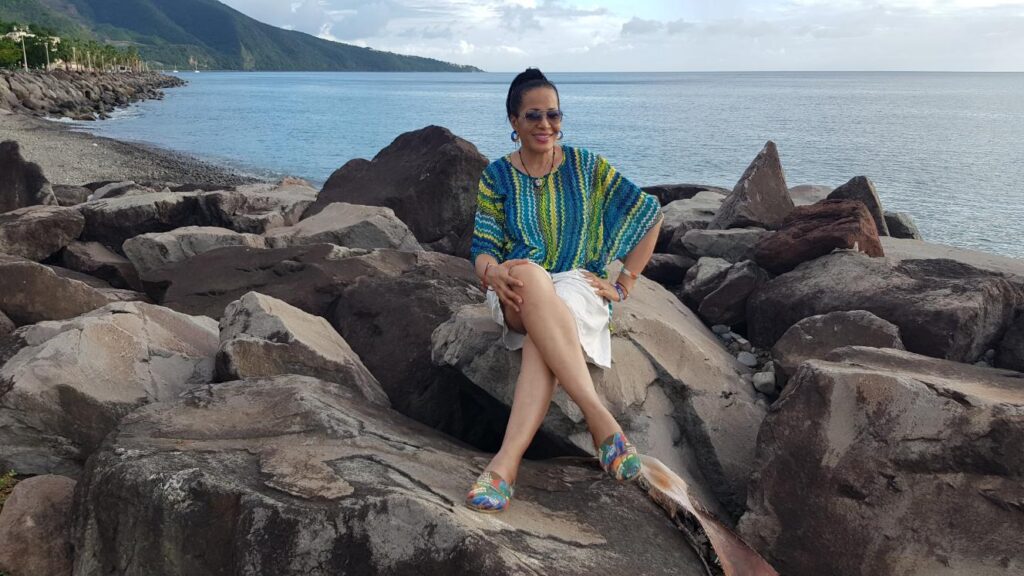
Guadeloupe, the butterfly-shaped Isle of the Caribbean

GUADELOUPE - THE BUTTERFLY-SHAPED ISLE OF THE CARIBBEAN

GUADELOUPE - THE BUTTERFLY-SHAPED ISLE OF THE CARIBBEAN

Guadeloupe is a French archipelago, geographically located in the Lesser Antilles, a chain of islands in the Caribbean. It comprises more than twelve islands, six of which are inhabited. The main inhabited islands include Basse-Terre, Grande-Terre, and the smaller islands of Marie-Galante, La Desirade, and the two islands of Iles des Saintes (Terre-de-Bas and Terre-de-Haut). These islands were originally called “Karukera” (the Island of Beautiful Waters) by the Amerindians, specifically the Arawaks and Caribs.

Guadeloupe, the butterfly-shaped isles of the Caribbean, is formed by the two main islands of Basse-Terre and Grande-Terre. Grande-Terre represents the flatter eastern wing, while Basse-Terre forms the mountainous western wing. Between the two islands lies a narrow channel called the Riviere Salee (Salt River), which separates them and, together, forms the distinctive butterfly shape.

Basse-Terre is the official capital of Guadeloupe and is located on the island of Basse-Terre (not to be confused with Basseterre, the capital of St. Kitts and Nevis). However, Pointe-a-Pitre, located on Grande-Terre Island, is the largest city and the economic and administrative hub of Guadeloupe. As of 2025, Guadeloupe’s population is almost 400,000, and its economy relies on agriculture, light industry, tourism, and services. Please continue reading to learn more about my trip to Guadeloupe, the butterfly-shaped isles of the Caribbean.

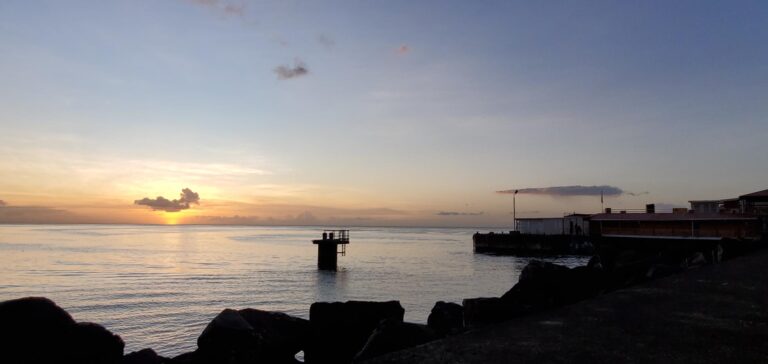
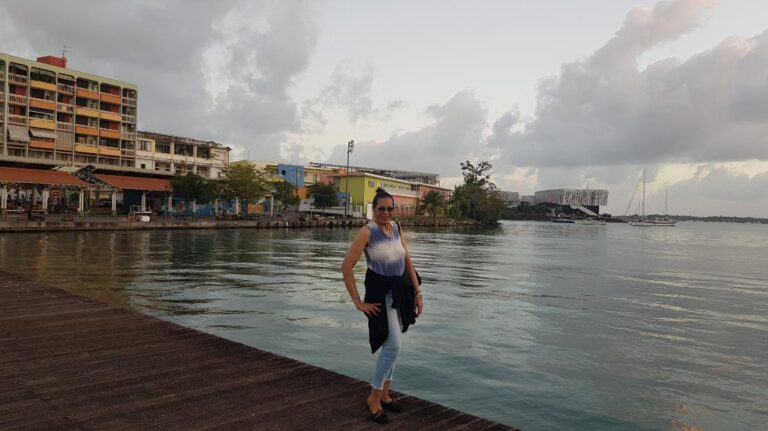
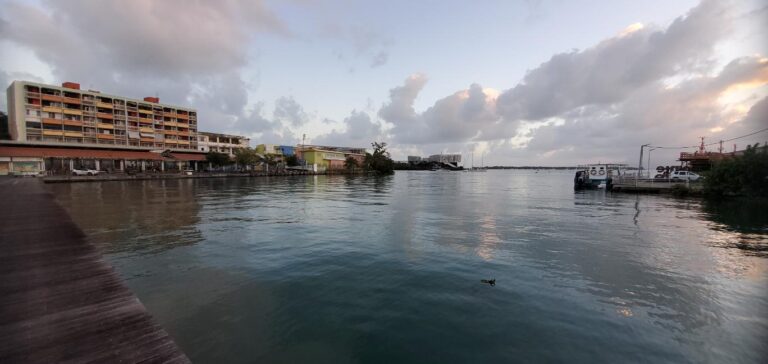
The Waterfront port near Place de la Victoire
The Waterfront port near Place de la Victoire. Guadeloupe, the butterfly-shaped isles of the Caribbean
The Waterfront port near Place de la Victoire

Guadeloupe, the butterfly-shaped Isle of the Caribbean Read More »
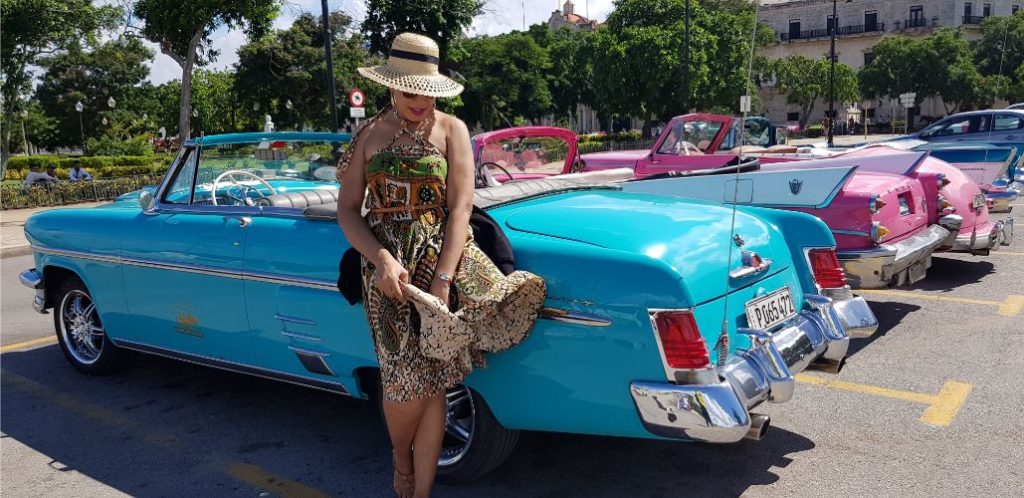
CoraDexplorer and Classic 19th century cars in Havana Cuba

Your total Guide to a Solo Vacation in Havana Cuba

YOUR GUIDE TO A SOLO VACATION IN CUBA

CUBA CALIENTE!!

YOUR GUIDE TO A

SOLO VACATION

IN HAVANA CUBA

YOUR GUIDE TO A SOLO VACATION IN CUBA - From arrival to departure!

Cuba is one of the Spanish speaking Caribbean Islands, its capital is Havana. I have been to many of the other Caribbean islands, but this was my first time in Cuba.  Reasons being, 1. With the price of the ticket, you can visit Miami twice (so it’s not cheap).  2. Previously, there were no direct flights (under 4 hours) between Trinidad and Tobago and Havana, Cuba.  So, here is your guide to a solo vacation in Cuba.

Your total Guide to a Solo Vacation in Havana Cuba Read More »