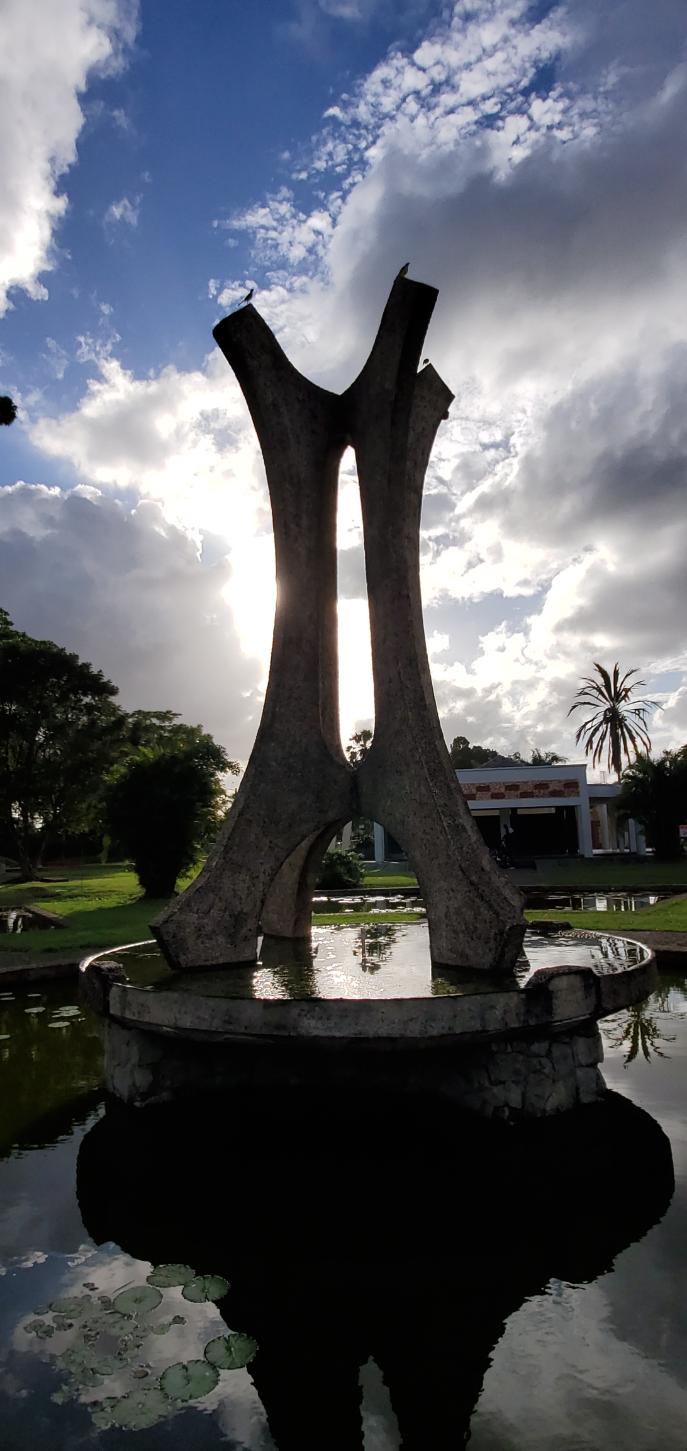
*******FOR THE LOVE OF TRAVEL********
GUYANA - THE LAND OF MANY WATERS
The Co-operative Republic of Guyana (formerly British Guiana pre-independence) is a country on the northern coast of South America. Geographically, it is bordered by the Atlantic Ocean to the north, Brazil to the south/southwest, Suriname to the east, and Venezuela to the west. Guyana’s population is almost 800,000, and its capital is Georgetown.
It is considered one of the world’s most diverse countries because it is multi-ethnic, comprising a mixture of Chinese, Indian, African, European, and indigenous peoples. Guyana, the land of Many Waters, was so-named “Guiana” (an Amerindian word) by the indigenous people, which means “Land of Many Waters” because of its numerous major watercourses (waterfalls, lakes, and rivers such as the Essequibo, Demerara, Berbice, and Corentyne) and its world-famous Kaieteur Falls, the world’s largest single-drop waterfall, by volume,
Guyana is known for its rich natural resources, diverse wildlife, and rich cultural heritage. It was once heavily dependent on forests, sugar cane, rice, bauxite, timber, and gold, all of which continue to be major exports. However, the country’s economy was revitalized by the discovery of deep-water oil fields in 2015, and this has led the country to have the fastest-growing economy in the world. Presently, its major money earner is mineral fuels, particularly crude petroleum. Please continue reading to learn more about my visit to Guyana, the Land of Many Waters.
Some of the links on this blog/website are affiliate links, and if you purchase products or services through these links a commission may or will be paid to the owner of this website. The amount of commission varies from product to product. All commission earned helps in the funding of this blog/website.
As an Amazon Associate, this site also earns from qualifying purchases.
ENTRY INTO GEORGETOWN, GUYANA
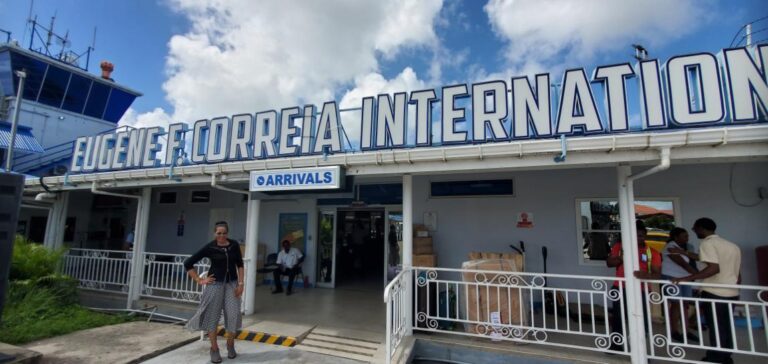
Flying over Guyana’s airspace, one can appreciate the vast, lush vegetation that covers the country. On approach to landing at the Eugene F. Correia (Ogle) International Airport (the second-largest of the four major airports in Guyana), it seemed as though the forested areas surpassed the buildings; nonetheless, it is a refreshingly beautiful sight.
On arrival at the airport, all passengers disembarked on the tarmac and walked to the terminal. Officers outside the building directed us to form a line, and they signaled for two or three at a time to enter and join the Immigration line. The process was smooth, and the officers, both outside and inside, were very pleasant and courteous.
There is no hard-copy immigration form to complete on entry because you must do so online before boarding, so there is no need to worry about pens or paperwork on arrival. The lines moved swiftly, and the Immigration officer asked only how long I intended to stay. With a smile, he stamped my passport and said, “Welcome to Guyana.”
The Customs area is small and user-friendly. The officer scanned the luggage, checked my passport, and I was on my way, all in less than 20 minutes. The airport seems small and compact, although I did not see its departure section because, on exiting Guyana, I did so via the Cheddi Jagan International Airport (Guyana’s biggest airport).
Everyone at this airport was all smiles, including the airport staff, cleaners, and taxi drivers…all super-friendly and jovial. To be quite honest, I was not expecting much… just to get in, see what it is like, and get out. In fact, Guyana was the only Caribbean country I had no interest in visiting. However, it was the one that surprised me the most, and I wish to return. I felt truly at home from the moment I touched down in Guyana.

Note: The Cheddi Jagan International Airport is a bigger, more modern airport than the Eugene F. Correia (Ogle) International Airport. Security at this airport is very tight. Additionally, it is the first airport I have visited where the airline does not accept your checked luggage during check-in. Instead, after receiving your boarding pass, midway in the airport’s check-in area, all passengers must form a line, supervised by security officers.
This is a security line to screen and accept your checked luggage. All passengers must place their luggage on the scanner, then step aside, look at the screen to see if it has been accepted or rejected. You must also double-check to the right of the scanner to see if it’s there or not (meaning rejected), before leaving for the T.S.A line.
Guyana, the Land of Many Waters. Cont...
TRANSPORT OPTIONS TO/FROM GUYANA’S AIRPORTS
From/to the Eugene F. Correia (Ogle) International Airport to/from downtown Georgetown takes approximately twenty minutes by taxi. There are two means of transportation: taxi and mini-bus. Prices are as follows: taxis cost US$25 (GYD5,300) to US$30 (GYD6,200). Catering to budget or luggage-free travellers, minibuses are available at US$1.00/1.50 (GYD200/300). Of course, you will have to walk outside the airport compound to the main road to find them.
From/to the Cheddi Jagan International Airport to/from downtown Georgetown takes about one hour and fifteen minutes by taxi, depending on the traffic. The standard rate for a taxi is US$60 (GYD18,000), and public buses (which require some walking to/from the main road) cost US$2.50 (GYD520).
Note: There is no Uber service in the country. However, there is a Ride-sharing service similar to Uber called “Book-A-Ride” where you can book a cheaper taxi.
5 ITEMS YOU MUST PACK ON YOUR TRIP TO GUYANA
Don’t wait until you arrive in Guyana to say, “I wish I had brought.” Besides your sunscreen, comfy shoes, etc. Here are five essential items you must pack when travelling to Guyana.
Before visiting Guyana, I often heard that the mosquitoes are so big you must acknowledge them with a “Good morning/day”. Haha! Yes, Guyana has mosquitoes, but surprisingly, it had fewer mosquitoes than the five other Caribbean islands I visited around the same period. Nonetheless, you will definitely need some protection from mosquito bites while visiting.
1. Mosquito Repellent
Before visiting Guyana, I often heard that the mosquitoes are so huge, that you must tell them “Good morning”. Haha! Yes! Guyana has mosquitoes, but surprisingly, it had less mosquitoes than the five other Caribbean islands I visited around the same time period. Nonetheless, you will definitely need some protection. Therefore, be sure to pack (#Ad) Mosquito Repellent Patches or (#Ad) Sand flies and all insect Repellent.
2. A Travel Umbrella
Be prepared for inclement weather, even outside the rainy season. During my visit, I lost two days of my vacation, due to continuous rain, which curtailed my planned Amazon tour, (it rained non-stop all day and night and into the next day). Therefore, be aware that in Guyana it can rain incessantly, and you will need a Travel Umbrella or even galoshes to get around. It is a given that you will need it to get out for meals or use transport at some point.
3. Light long sleeve blouse/shirt/sweater
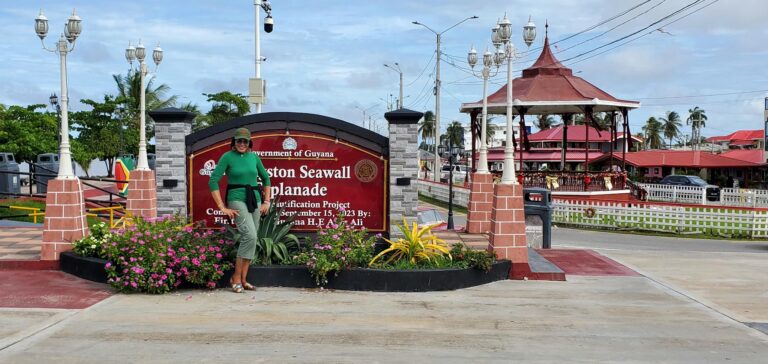
Depending on the month you visit, it can feel a bit chilly, especially at sunset. This also helps keep the bugs away, especially if you are relaxing near watercourses on evenings, such as the Kingston Seawall. If you plan to venture out in the Amazon, you will definitely need some warm and protective clothing.
4. Noise Cancelling headset or Earplugs
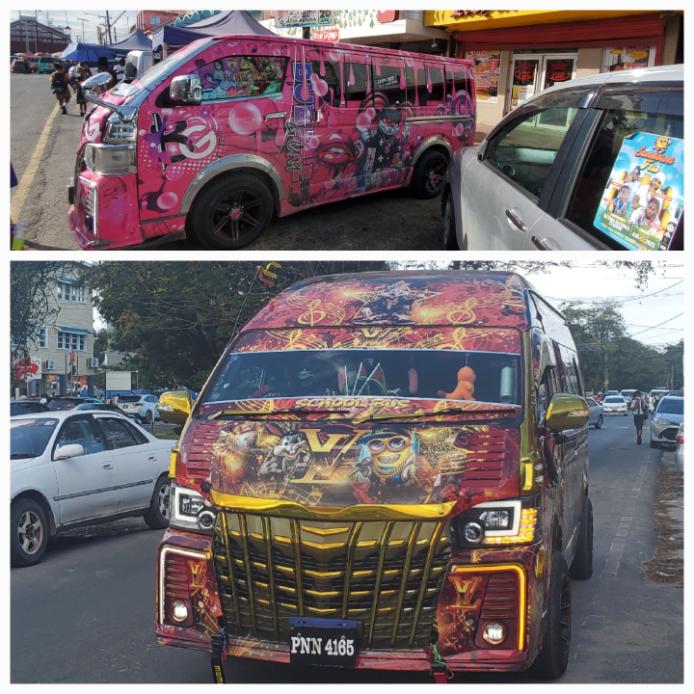
According on how close your accommodation is to the street, you may need earplugs or a #Ad Noise Cancelling headset for a good night’s sleep. They will also come in handy for blocking out loud music when on buses. Guyanese love loud music…it is common to see some drivers with speakers facing out of their car windows, blasting music. Furthermore, it is also common to hear alarms of other cars constantly tripping off every time they pass by.
5. Lightweight long Pyjamas or long socks
For some reason, mosquitoes always find a way under a blanket. Wearing light pyjamas or long socks while relaxing or at bedtime helps provide protection and peace of mind without relying entirely on mosquito repellent.
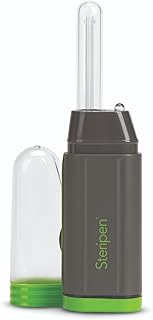
Steripen – Compact handheld ultraviolet light (UV) water purifier designed specifically for outdoor/travel use. It destroys over 99.9% of harmful bacteria, viruses and protozoa
AirTamer personal Travel Air purifier. Breathe Cleaner Air Everywhere. It emits millions of negative ions that push harmful airborne pollutants and Virus away from your breathing zone thereby creating a sphere of cleaner air.
ABOUT THE CITY OF GEORGETOWN - “Garden City of the Caribbean”
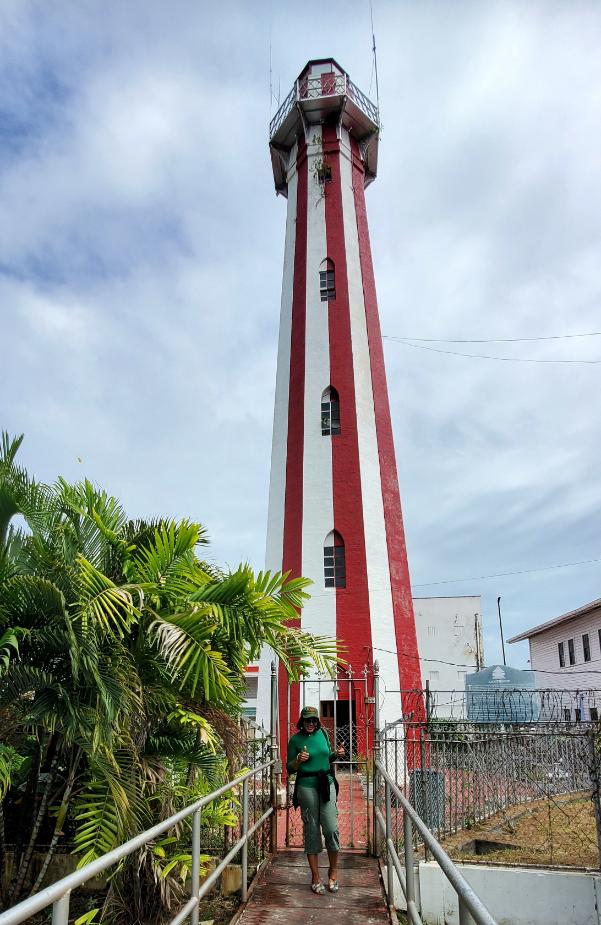
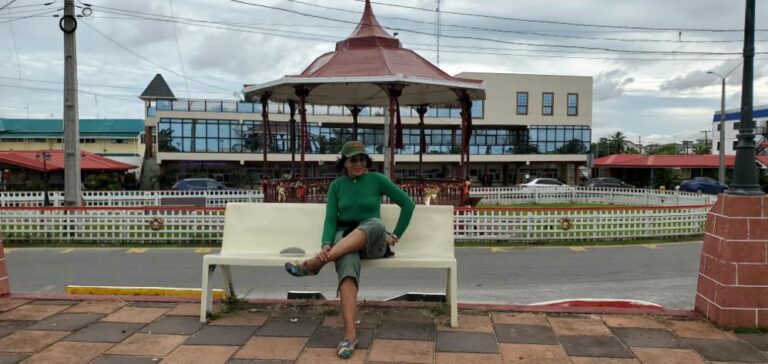
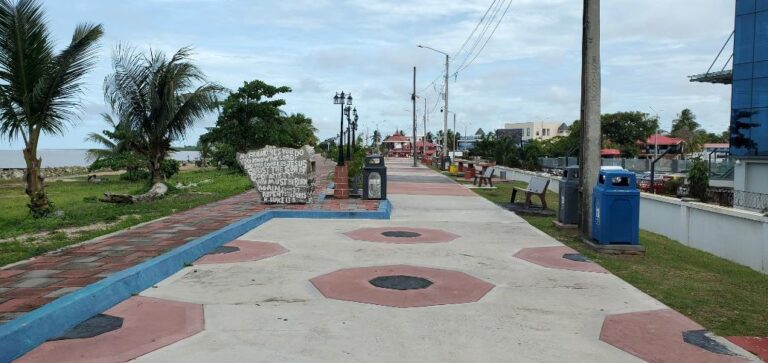
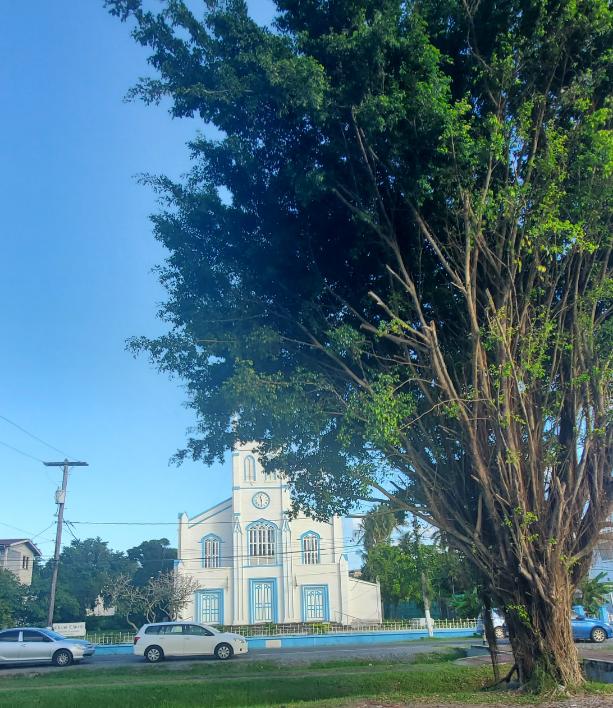
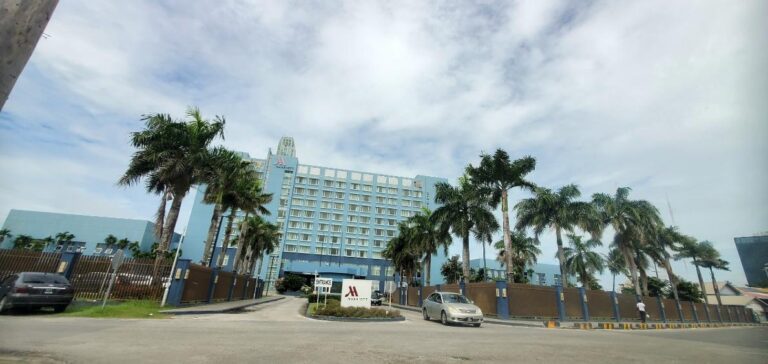
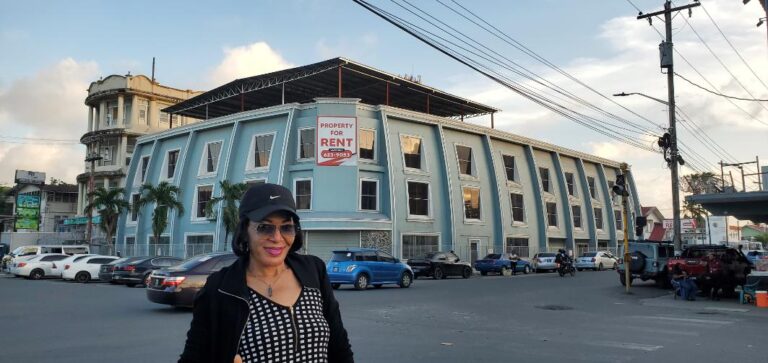
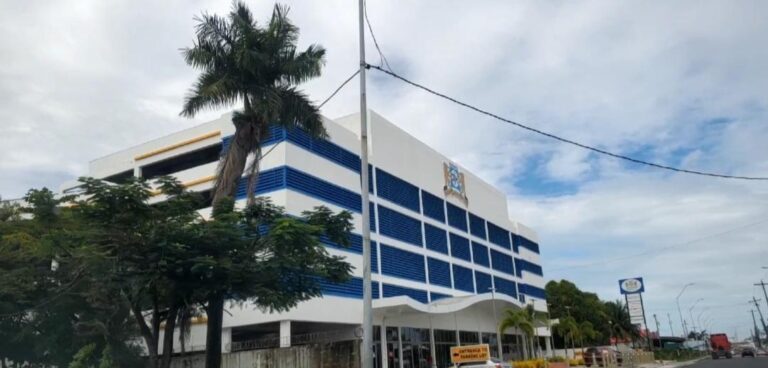
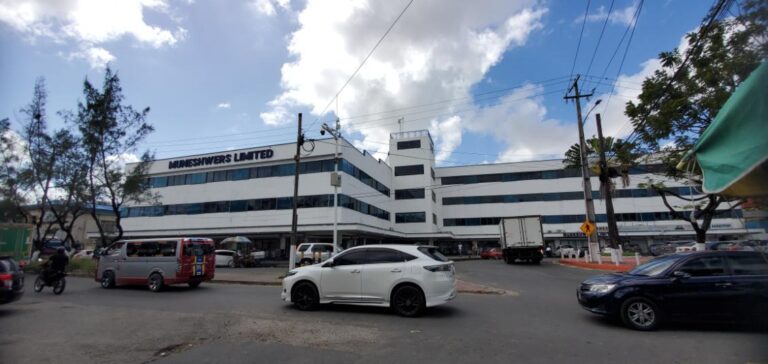
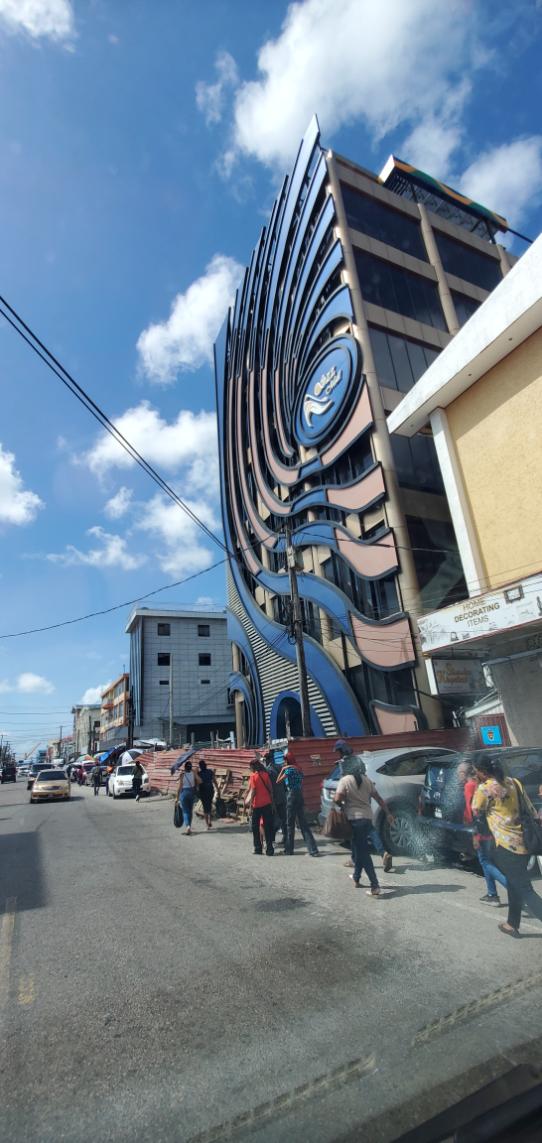
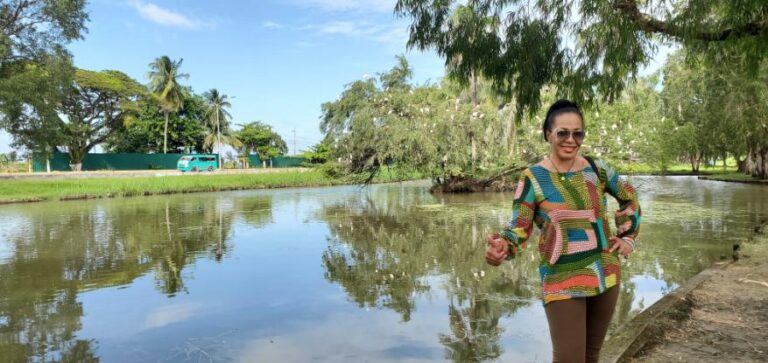
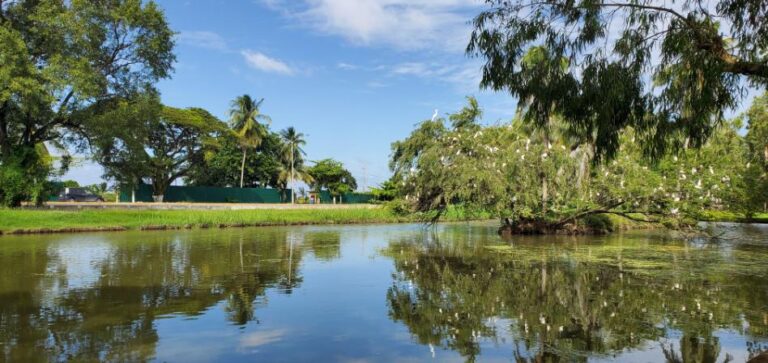
Georgetown, as previously-mentioned, is the capital and largest city in Guyana. It is located on the Atlantic coast at the mouth of the Demerara River, and is the country’s administrative, financial, and transportation hub. Georgetown is nicknamed “Garden City of the Caribbean” due to its lush greenery, extensive green spaces, and serene environment.
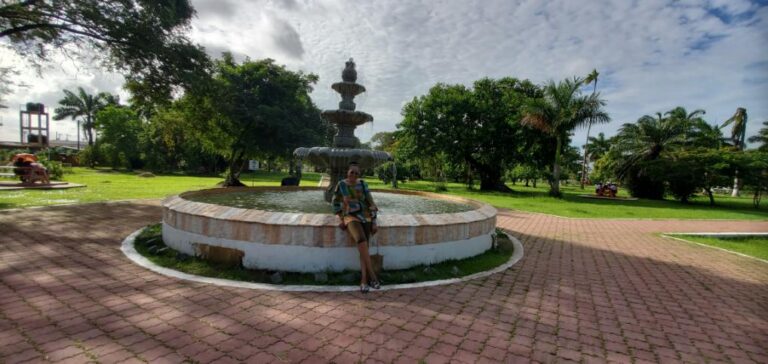
Its avenues are lined with rows of trees and countless waterways and canals (built by the Dutch). The city takes pride in its Promenade Gardens and the alluring Botanical Gardens… an oasis and home to the giant Victoria Regia water Lily (the national flower of Guyana). As a consequence, the city is very picturesque.
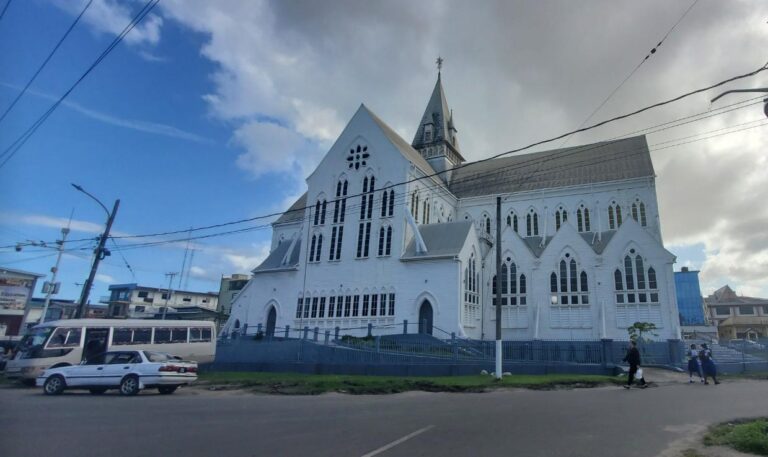
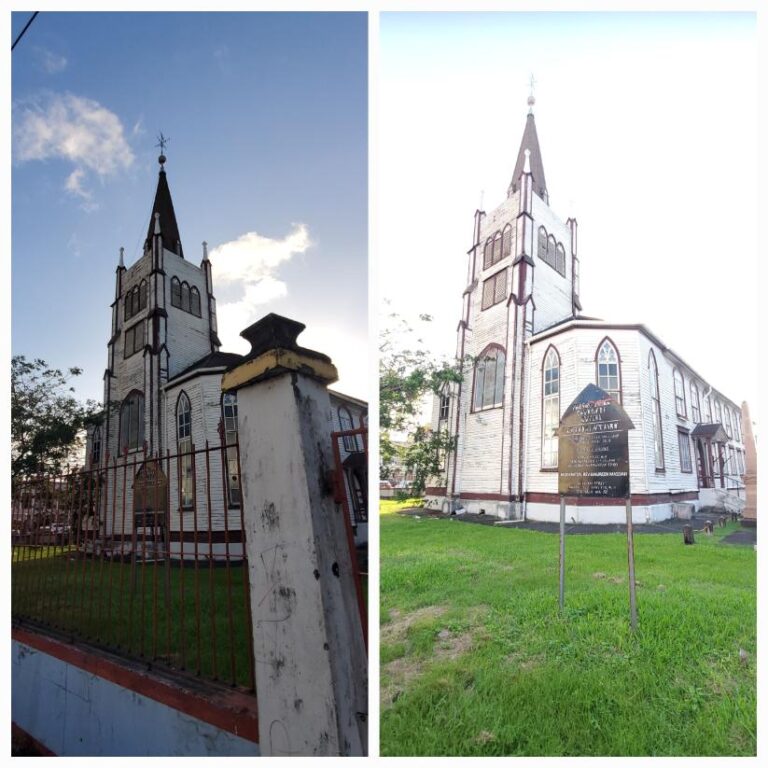
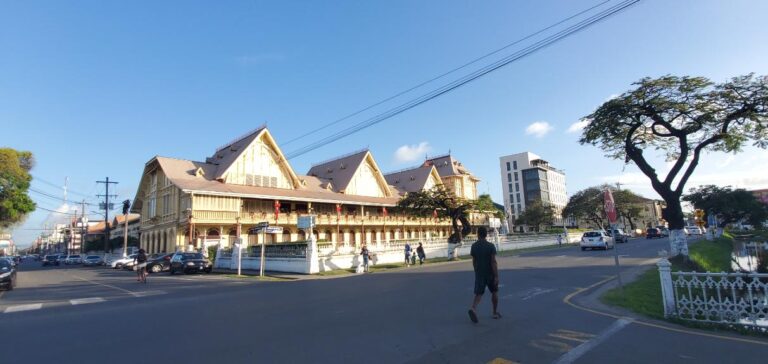
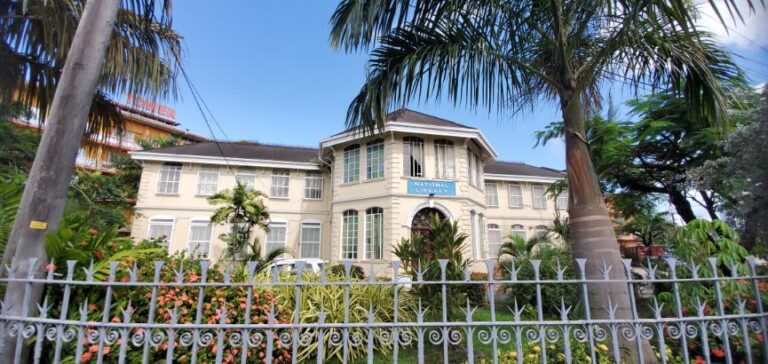
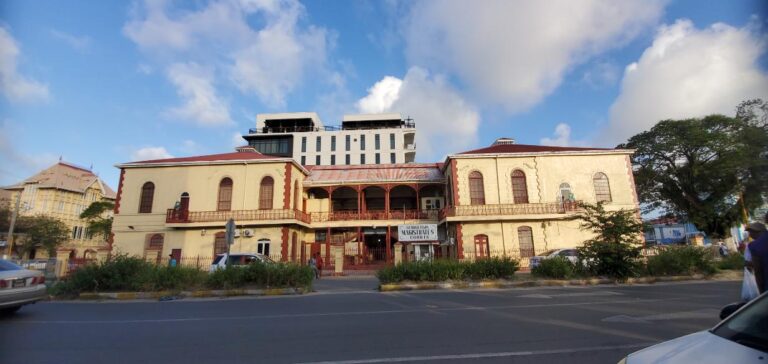
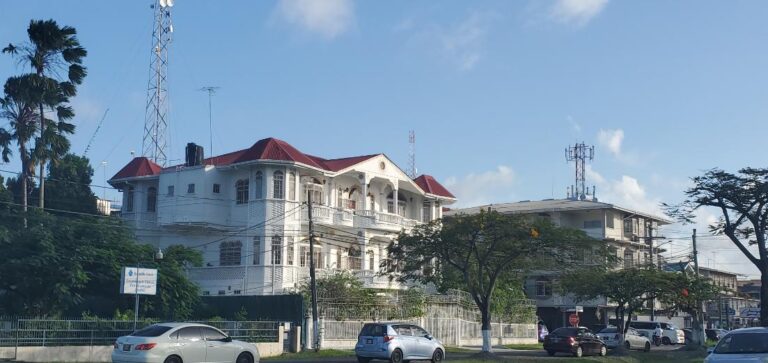
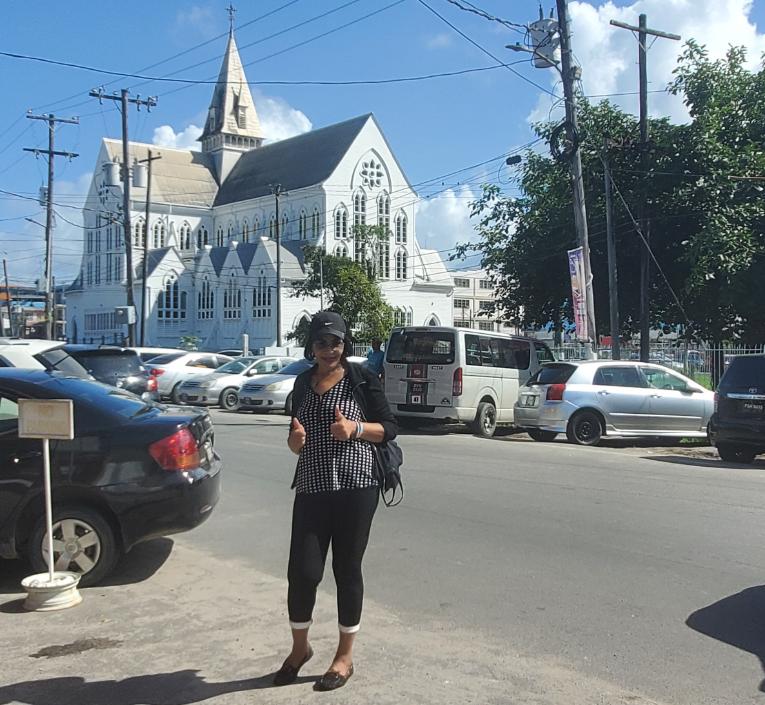
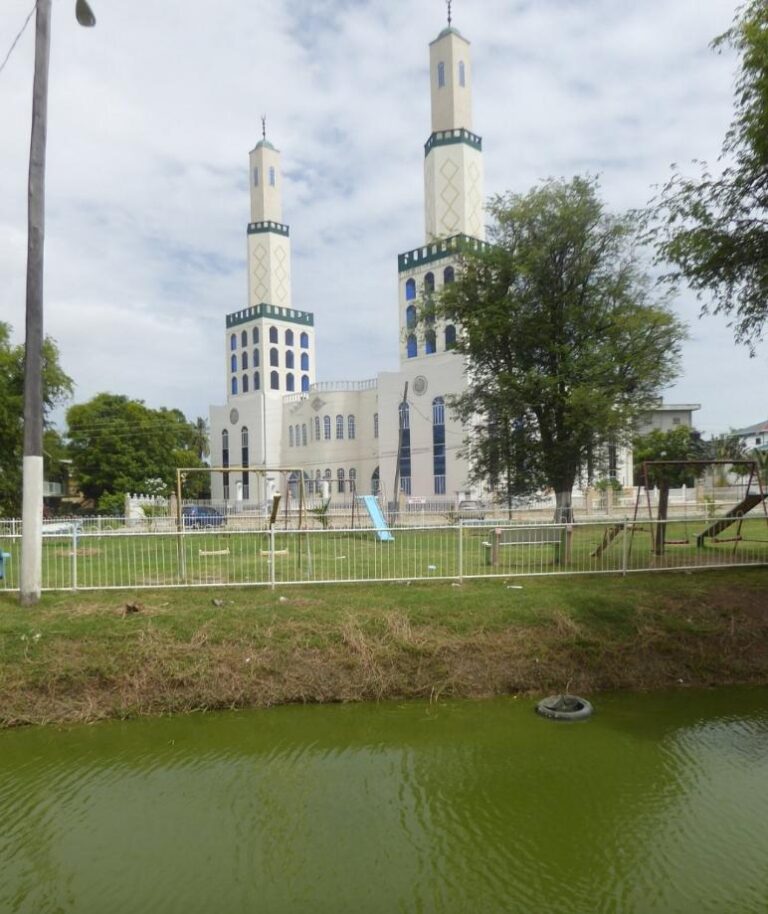
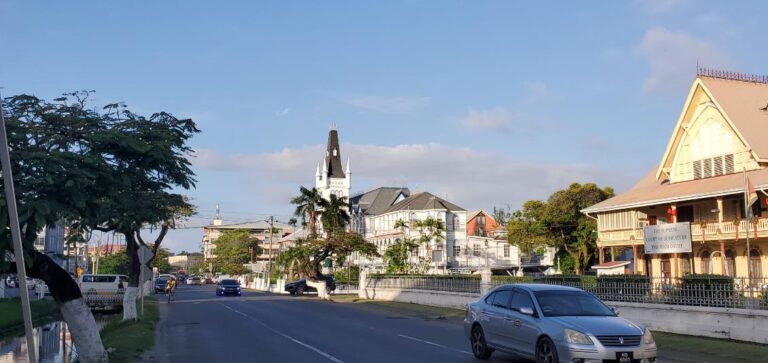
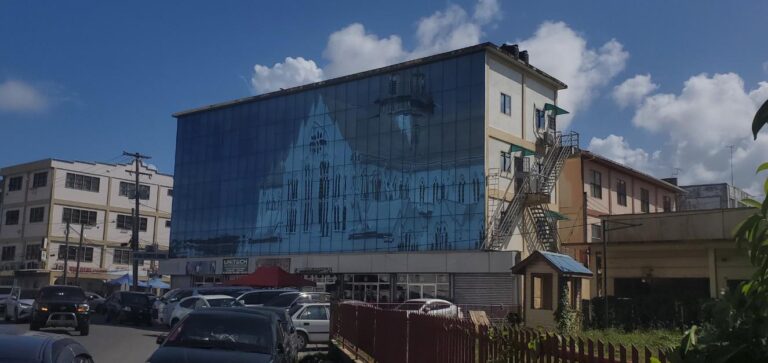
Besides its greenery, the city boasts various unique and charming features that reflect its colonial past under the French and Dutch rule. Many street and neighborhood names reflect this, with wooden colonial structures in explicitly intricate designs and grid-like layouts. The city comprises many Mosques, Churches, and Mandirs reflecting its religious diversity. It also boasts St. George’s Cathedral, the tallest wooden building mot only in Guyana but the Caribbean and among the tallest worldwide (143 feet).
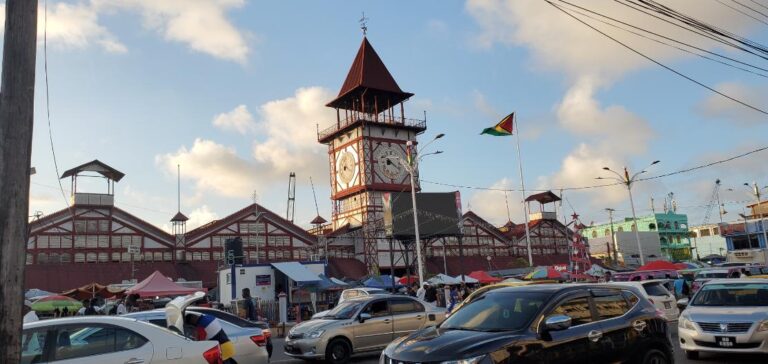
The city was fairly clean, but the area around the Stabroek Market was a bit untidy and crowded, and strangely enough, added to the charm and shopping experience. This market caters to hundreds of local sellers and is surrounded by many stores and restaurants. It was built in 1880-1881, and is one of the oldest, largest, and most historical landmarks in Georgetown. It is the central hub for shopping and entertainment, offering a diverse range of options both day and night, from fresh produce to clothing and electronics.
Moreover, Stabroek Market has reallll vibe, especially at sundown, when live Deejays at various spots turn up the energy with music, attracting crowds of locals and visitors. It is a definite must-see for those searching for a vibrant and “hip-happening” place to be in Georgetown.
It is my view that Georgetown is one of, if not the, liveliest capital in the Caribbean. On my flight from Guyana, I met a couple of guys from Trinidad and Tobago who raved about the city vibes. Besides, it is undisputed that when a “Trini” says a place is “Lit,” trust and believe it is “poppin.”
MUST-HAVE ESSENTIAL ITEMS FOR ALL `IN TIMES OF DISASTER
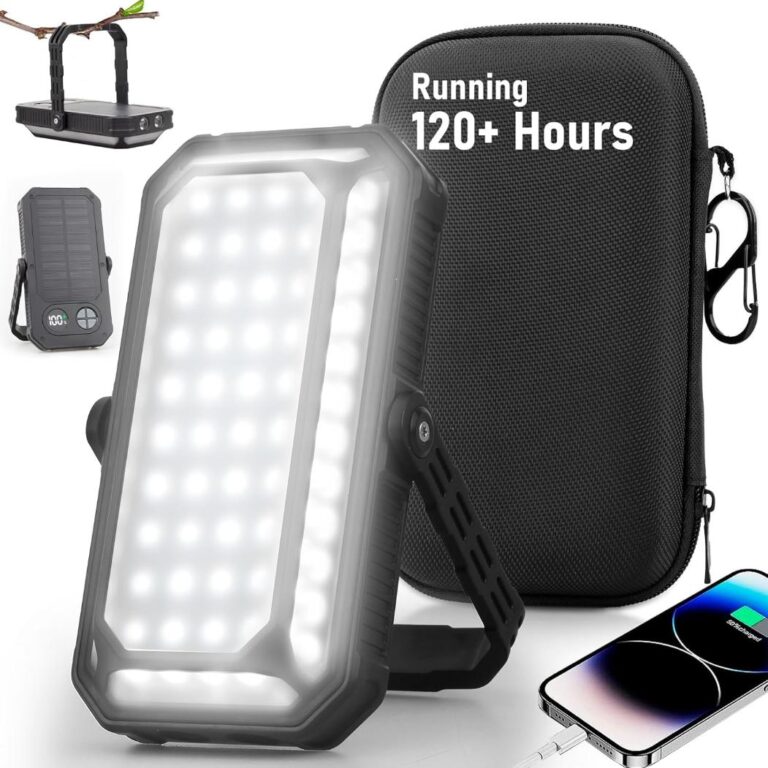
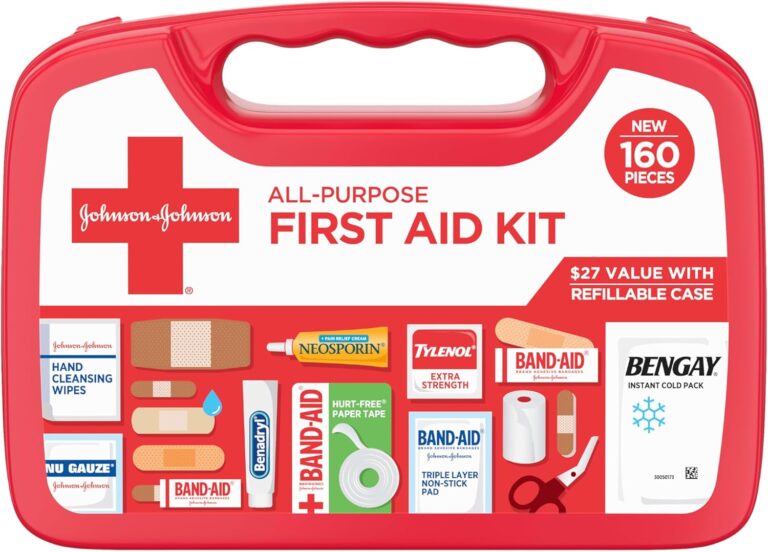
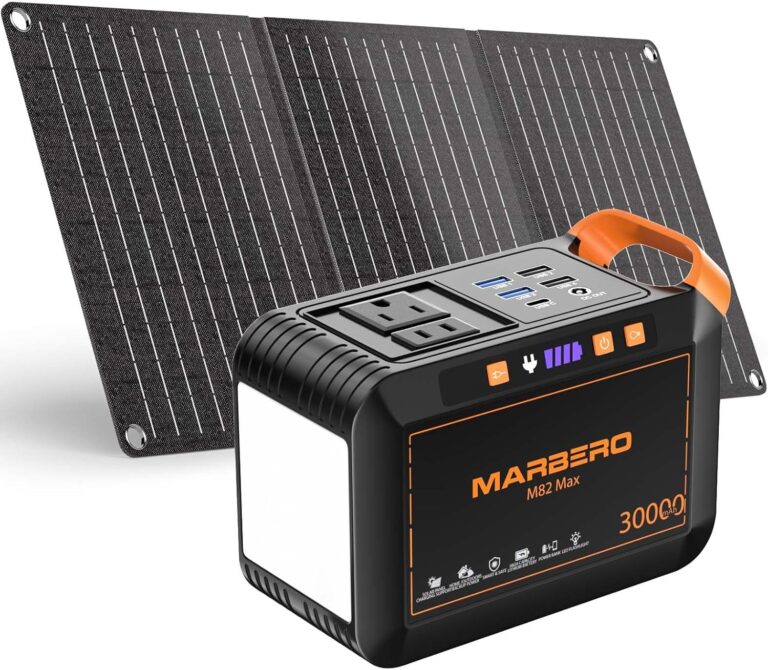
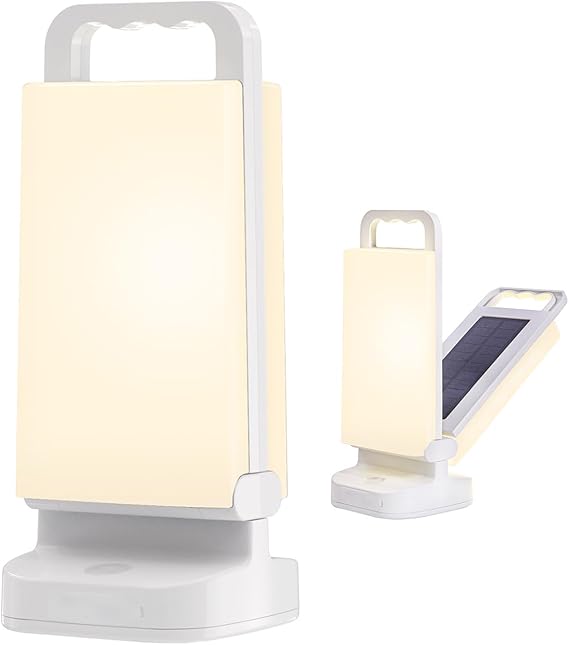
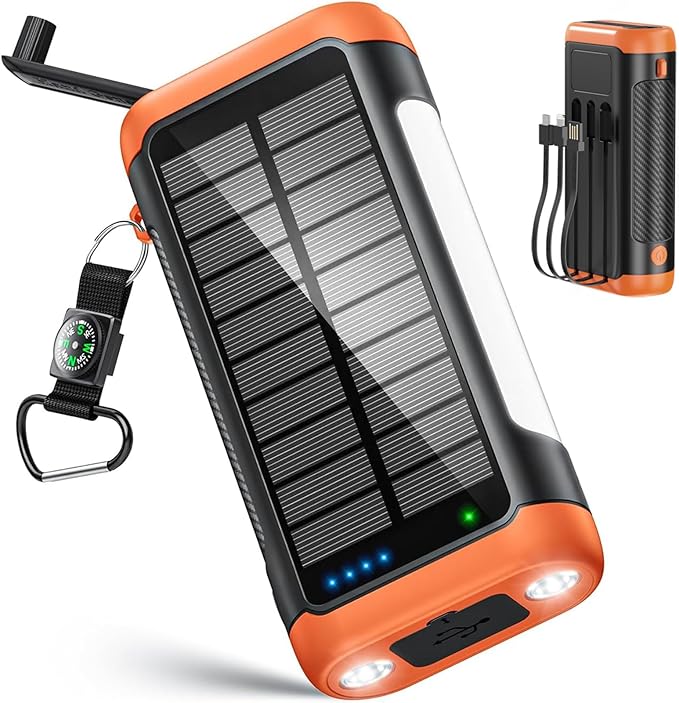
These are some of my MUST-HAVES BugOut Essentials and Gadgets in preparation of Uncertain Times. Be proactive and prepare due to the current world crises.. All items are available on Amazon for direct links to the products, information and suggested uses click the link below.
Guyana, the Land of Many Waters. Cont...
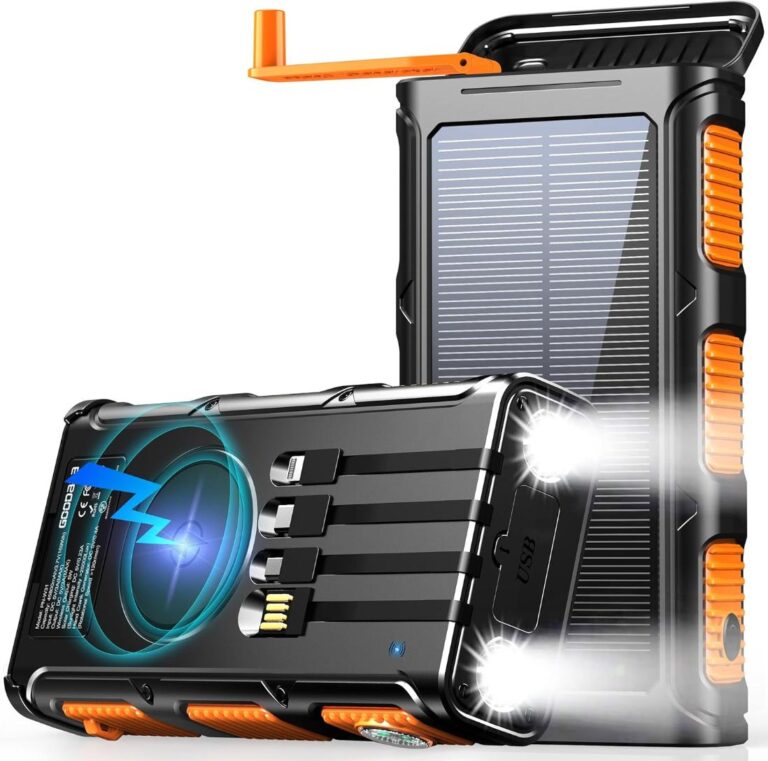
Prepare for Blackouts – Solar Power Bank Portable Charger:66800mAh Built in Hand Crank and 3 Cables 22.5W Fast Charging Phone External Battery Pack(5 Outputs & 5 Inputs) with Camping Flashlights/Table Lamp/Compass
Prepare for Blackouts – Emergency Weather Radio NOAA/AM/FM with 4000mAh Portable Power Bank, USB/Solar/Hand Crank Charging, Flashlight, SOS Alarm, Radios for Outdoor & Indoor Hurricane, Camping Survival Essentials
OTHER IMPORTANT FUN FACTS & TIPS ABOUT GUYANA
- The languages spoken – English (official language) and Guyanese Creole.
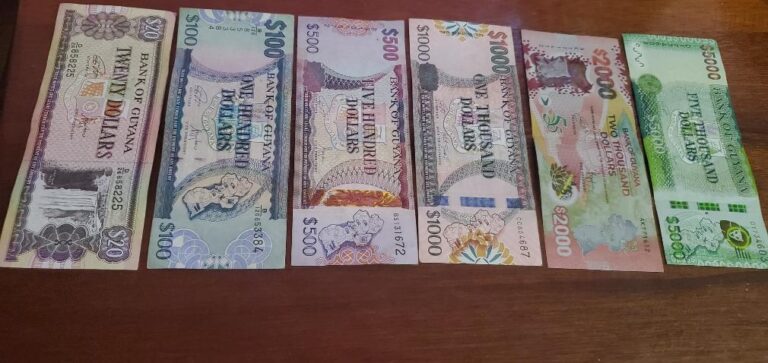
- Official currency – Guyanese Dollars (GYD)
USD 1.00 – 209.00 GYD
EURO 1.00 – 242.93 GYD
GDP 1.00 – 277.00 GYD
- Guyana is the only English-speaking country in South America.
- Demerara sugar takes its name from the Demerara River, in the Demerara Colony, a former Dutch and British colony, established in 1611.Guyana became an independent nation on May 26th, 1966 (after being a British and Dutch Colony), and it became a republic on February 23rd, 1970.
- Guyana is a member of the Caribbean Community (CARICOM).
- Kaieteur Falls is the world’s largest single-drop waterfall by volume. It plunges 741 feet (226 meters) and is four times taller than the famous Niagara Falls in Canada.
- Guyana is the world’s largest oil producer on a per capita basis. The country attained this title in 2025.
- Guyana has produced several international singers, including Eddie Grant. SAINt JHN (American rapper/singer), the “Guyanese Baboo” Terry Gajraj, and Amrita Naraine (Guinness World R,ecord-breaking global music project, with the song “195”).
- According to the WHO, Guyana has the second-highest suicide rate, not only in the Americas but worldwide. It is second only to Lesotho, which is number one in the African continent/worldwide. As history has it, in 1978, 918 people committed mass suicide in Guyana, after following cult leader Jim Jones to the country in what became known as the Jonestown Massacre.
- Guyana is considered a sustainable country, particularly in terms of food, as it is the only nation that can fully feed itself without relying on imports. Guyana maintains its self-sufficient status, meaning it can withstand the effects of war, natural disasters, and disputes, with little or no threat to its food supply.
- Popular international singer Rihanna is half Guyanese because her mother is an Afro-Guyanese native, and her father is Barbadian.
- Popular Guyanese-British actress Letitia Wright was born in Guyana. She is popularly known for her role as “Shuri” in Marvel’s Black Panther and Avengers; Endgane, she is also the winner of a BAFTA Rising Star Award.
- Guyana’s rainforest is a scientist’s paradise and has one of the continent’s largest rainforests. Many species of Flora and Fauna exist in it, and several are unknown or out of human reach due to extreme remoteness.
- December 2022, Guyana became the first country to be issued 33.47 million carbon credits for the period 2016-2020 by the Architecture for REDD-Transaction (ART-TREES).
- Guyana is home to two of the world’s longest Floating Bridges. The 1,851-meter-long Bharrat Jagdeo Demerara River Bridge (formerly the Demerara Harbour Bridge) is the 4th-longest floating bridge in the world. The Berbice Bridge is 1,571 meters long and is the 6th-longest floating bridge in the world.
- Same-sex activity between men (homosexuality) is illegal for men but legal for women in Guyana. If charges are proven, theoretically, the penalty is life in prison. Furthermore, it is the only South American country with such laws.
- The most popular sport in Guyana is Cricket. The country participates in regional and international cricket as part of the CPL /T20 team and the West Indies cricket team. Guyana takes pride in its famous Amazon Warriors team, which won the first CPL title in 2023. The country has produced several notable modern-day players like Romario Shepherd, Shimron Hetmyer, Gudakesh Motie, Shamar Joseph, and Keemo Paul. It has also produced many legends, a few of which are: the “larger than life” Clive Lloyd (middle-order batsman), Carl Hooper, Lance Gibbs, Rohan Kanhai, and the reserved Shivnarine Chanderpaul (batsman), among others. Moreover, these players are widely considered to be Guyana’s most prolific and iconic cricketers of all time.
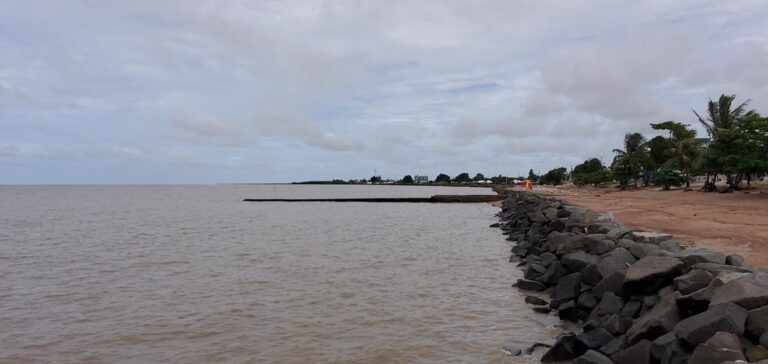
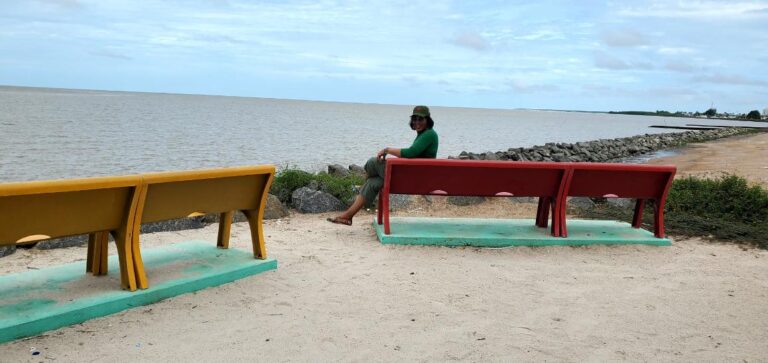
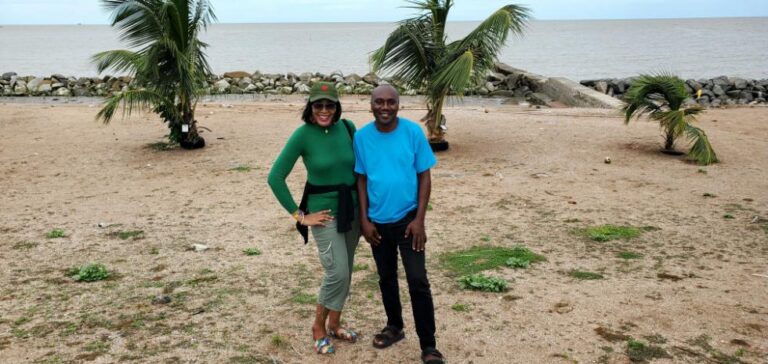
- Guyana has no typical white or black sandy beaches that are most famous throughout the Caribbean. It has beaches or coastlines with beach sand; however, its seawater appears murky and brownish due to the influence of several rivers and sediments therein. Nonetheless, if you are into exploring and searching for blue waters in Guyana, then Blue Lake offers totally blue waters, or at least a small inlet at Hope Beach might be one of the beaches on the island with blue waters and golden sands, although only a small area.
- Guyana has at least 300 waterfalls and multiple rivers. Among them are the most famous Kaieteur Falls, Orinduik Falls, and Marshall Falls. The most famous rivers are the Demerara River, the Essequibo River, the Courantyne River, and the Berbice River.
- In the 17th century, the Dutch imported slaves from West Africa to Guyana to work on the sugar plantations. However, after the abolition of slavery in 1834 and the end of apprenticeship in 1838, British Guiana (now Guyana) imported indentured labourers from India, Portugal, China, Malta, and other Caribbean islands to Guyana, to work on the sugar plantations.
- Guyana is among 28 countries that do not have a UNESCO World Heritage Site.
- Guyana experiences the rainy season twice a year, from May to mid-August and from mid-November to mid-January. Additionally, when it rains, it can take up to two days for it to cease, as I experienced in January. During the rainy season, flash floods are common and a constant threat, so plan your travel accordingly.
- Currently, a long-standing border controversy exists between Guyana and not only Suriname, but also Venezuela, over the Essequibo Region. This region covers almost two-thirds of Guyana’s territory and is claimed by Venezuela.
- Guyana has an abundance of gold; in fact, in 2020 Guyana exported 1.68 billion worth of gold, and 1.09 billion in 2024. The primary destinations for this gold are the United Arab Emirates, Canada, and Belgium. accounting for more than 30% of its exports.
- Looking for your favourite American fast food chain McDonalds in Guyana? Don’t waste time looking, because there is none.
- Guyana is known for its rich folklore, including stories of water spirits called “Massacuraman” and the “Buck,” a tiny leprechaun-type looking man who grants wishes to its owner.
- Guyana is divided into three counties: Essequibo, Berbice, and Demerara.
- The pedestrian crossings in Guyana means absolutely nothing to drivers. As a pedestrian, you will stand there all day and they will never stop for you to cross the road. It is a very rare sight when a driver stops for you to cross one.
- Guyana has 365 islands, all of which are located in the Essequibo River. Some of the major ones are: Hogg Island, Leguan, and Wakenaam, known mainly for eco-tourism and agriculture.
- Nearly 85% – 88% of Guyana’s land area is covered in pristine rainforest and natural forest. Guyana is one of the most heavily-forested countries in the world.
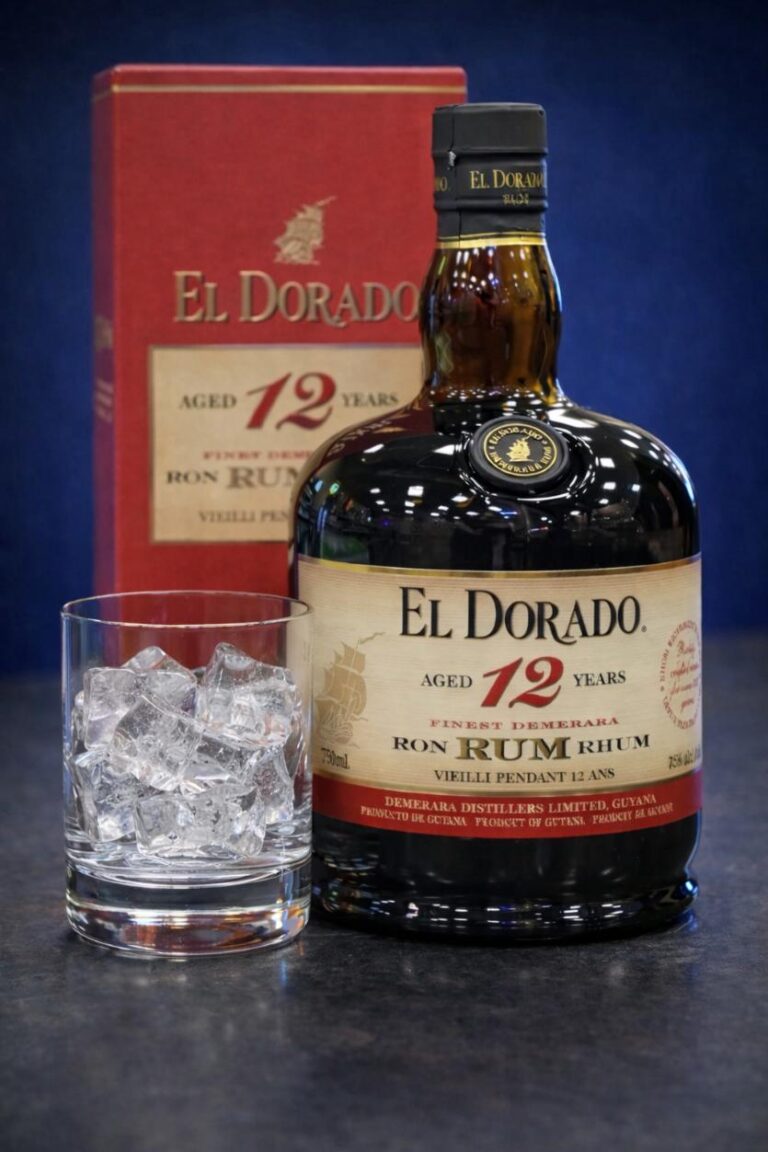
- The Dark Demerara Rum is the most popular drink in Guyana. It is reported that due to the steady temperature in the country, the aging process is supposedly greatly increased. Consequently, as an example, a 5-year-old rum in Guyana is equivalent to a 10-year-old rum in other countries. It is why they produce exceptional world-standard rum such as Demerara Rum, with El Dorado Rum as its flagship brand
ABOUT THE PEOPLE OF GUYANA
The citizens of Guyana, or Guyanese, are a multi-ethnic people, often referred to as the “Land of Six Peoples,” comprising Amerindians, Indians, Africans, Portuguese, Chinese, and mixed European heritage. They live peacefully, with approximately 40% Indo-Guyanese, 30% Afro-Guyanese, 20% Dougla (African and Indian mix), and Mulattoes (African and Europeans mix), 10% Amerindians, and the remainder comprising minorities such as Chinese and Europeans.
Additionally, Guyana is a multi-religious state. Christians (the majority), Muslims, and Hindus all co-exist harmoniously. Guyanese are hospitable and super-friendly… I believe they are among the friendliest people in the Caribbean. Their mannerisms and ethnic compositions are very similar to those of the citizens of Trinidad and Tobago – very chatty, humourous, and jovial people indeed. Guyanese are curious about foreigners, like interacting and engaging in conversation, and sharing experiences. You are sure to hear “hello” or be greeted with a smile and warm conversation.
However, for ladies travelling to Guyana, tread cautiously with some men. To put it as mildly as possible, but some Guyanese men are extremely forward, as we say here… “Tustyyy” on a different level. Seriously, some of the men need to take an ice-cold shower every hour.
Additionally, the extremely loud, explicit music played on the public buses (mini vans) is inappropriate… literally porn, without the visuals. It is the first time I have ever heard such lewd, descriptive songs anywhere. I guess listening to such songs all day raises their testosterone level somewhat, maybe, who knows. When I sat on the bus and looked at the ladies, especially the elderly females, I wondered how they felt listening to those very distasteful songs played by these male drivers.
Nonetheless, overall, all the locals (taxi drivers, shopkeepers, restaurant staff, guest house staff, etc.) with whom I interacted were warm, hospitable, and helpful. I felt at home in Guyana! Furthermore, I think that Guyana should be on my list of the Friendliest people and countries to visit worldwide.
Guyana, the Land of Many Waters. Cont...
GUYANA SAFETY AND SECURITY
As with many countries, capital cities may experience some level of crime, whether petty or otherwise. Locals informed me that Georgetown has a higher crime rate than the rest of the country. Therefore, I was cautious when moving around, especially walking alone at night. Practicing vigilance and common sense is always the top priority, especially for female solo travellers like myself.
Avoid flaunting expensive jewellry, large amounts of cash, or high-value items like cameras and phones, etc., particularly in crowded areas like Stabroek Market. Be smart about your personal security and personal items, and you will have nothing to worry about. Like me, you will have a safe and incident-free stay in Guyana.
Nonetheless, I felt safe and comfortable throughout my stay. I experienced no incidents of theft or petty or major crimes, nor did I hear of any robberies or other criminal activities. In fact, I entrusted my phone to many different locals on the streets to take my photos, and none ran off with it (something I would never do in a particular country). Additionally, I accidentally left my phone in a store while paying for an item, and on return, I was able to retrieve it. Besides, police presence was always visible throughout the city.
Disclosure
CoraDexplorer Affiliate Disclosure
Some of the links on this blog/website are affiliate links, and if you purchase products or services through these links a commission may or will be paid to the owner of this website. The amount of commission varies from product to product. All commission earned helps in the funding of this blog/website.
As an Amazon Associate, this site also earns from qualifying purchases.
“Prices will be the same whether you use the affiliate link or not, you will NOT pay more by clicking through said affiliate links. You are guaranteed a 100% safe link in helping to keep this site going”.
HOW EXPENSIVE ARE THE ACCOMMODATIONS, MEALS, AND TRANSPORTATION?
Guyana has a high cost of living. Prices for almost everything in Guyana range between moderate and expensive, leaning more toward the expensive side. Nevertheless, public transportation (mini buses) is fairly inexpensive (just be prepared for loud music). The prices for meals at local restaurants were somewhat high, starting at a minimum of US$9 for the most basic meal or fast food. Accommodation was likewise very expensive, even for the most basic room.
As previously mentioned, a budget-friendly country is one where, for example, accommodation costs between US$20 and US$40, and US$10 can afford you two to three hearty meals (not junk or fast-food) daily. Therefore, Guyana would certainly not make it on my list of the cheapest countries to visit worldwide, nor on the most expensive.
However, for the budget traveller, I recommend staying at an Airbnb or hostel, which are cheaper than standard hotels.
To save on meals, grocery shop, and cook, or eat at one of the local eateries, which cost less than restaurants, and use public buses. Nevertheless, a visit to Guyana is not out of the reach of the budget traveller if you plan well in advance and travel outside the peak tourist season.
ABOUT GUYANA FOOD
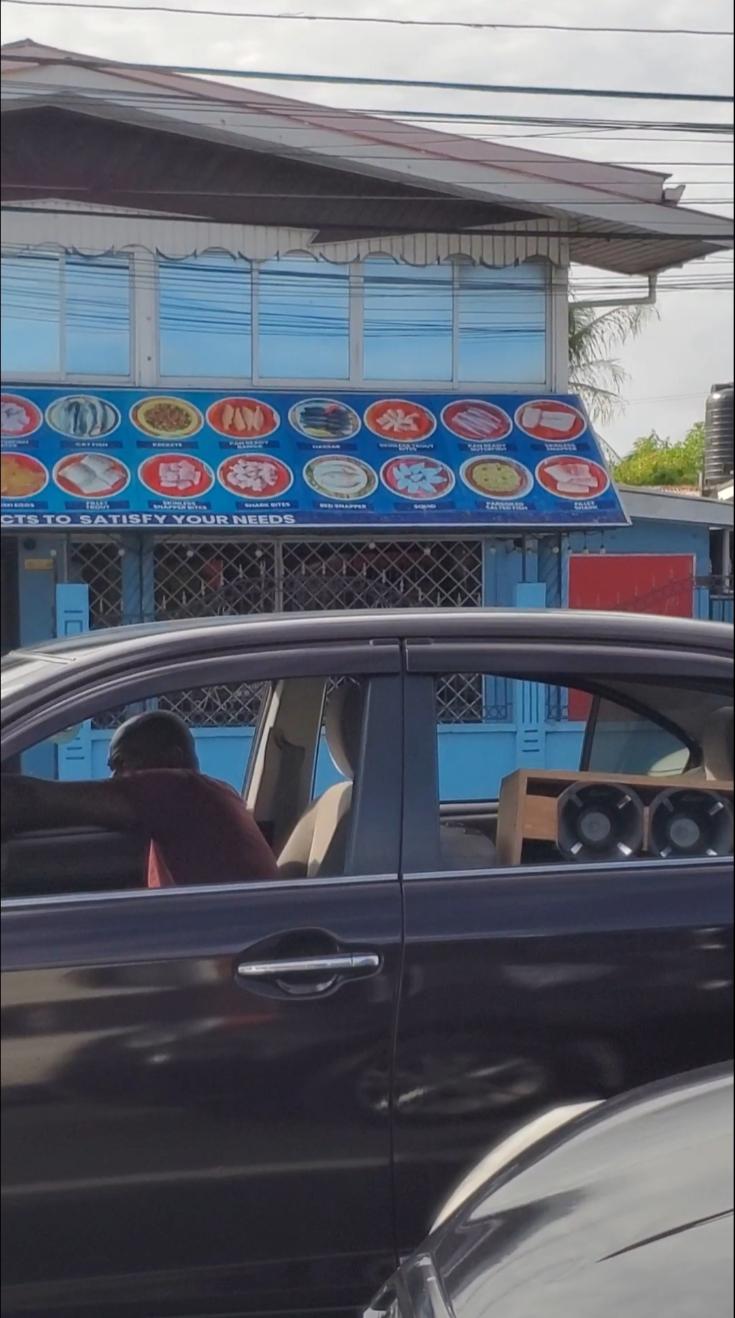
Guyana’s cuisine is a fusion of Indian, African, Amerindian, Chinese, and European influences. Its dishes reflect the abundance of ground provisions (sweet potato, cassava, etc.), rice, seafood, vegetables, fresh herbs and spices, especially curry. Staples such as Roti and curry, Pepperpot (national dish), Pholourie, Rice-cook-up, and various other dishes are flavourful and hearty. However, despite their varied traditional dishes, Guyanese seem to loveee Chinese food..hmmm.
Nonetheless, Guyanese cuisine is so much more than food; it is tradition, culture, and history. Below are six of the many dishes you must try when visiting Guyana, the Land of Many Waters.
Guyana, the Land of Many Waters. Cont...
6 MOST POPULAR GUYANESE DISHES YOU MUST TRY
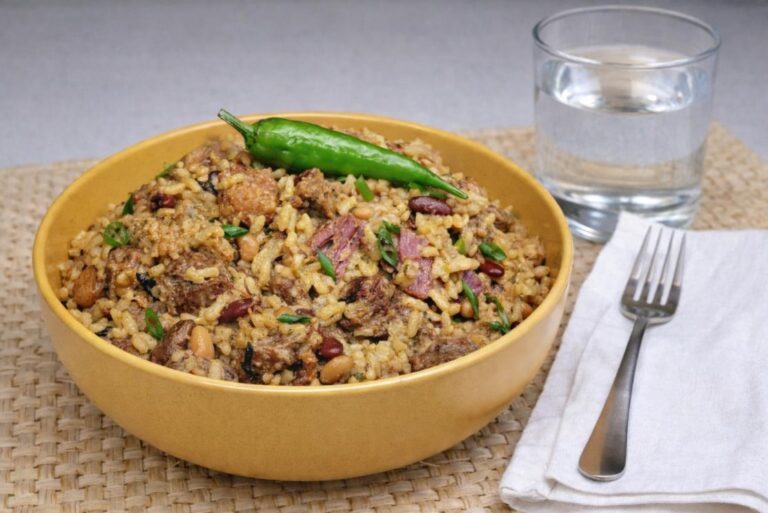
- Guyanese Cook-up Rice (Rice cook-up) – known as the “poor man’s meal”. This one-pot meal consists of rice, meats, beans/peas, coconut milk, thyme, basil, onions, etc. It is a traditional dish especially for New Year’s Eve (Old Year’s Night), and eaten as a symbol of abundance for the coming year.
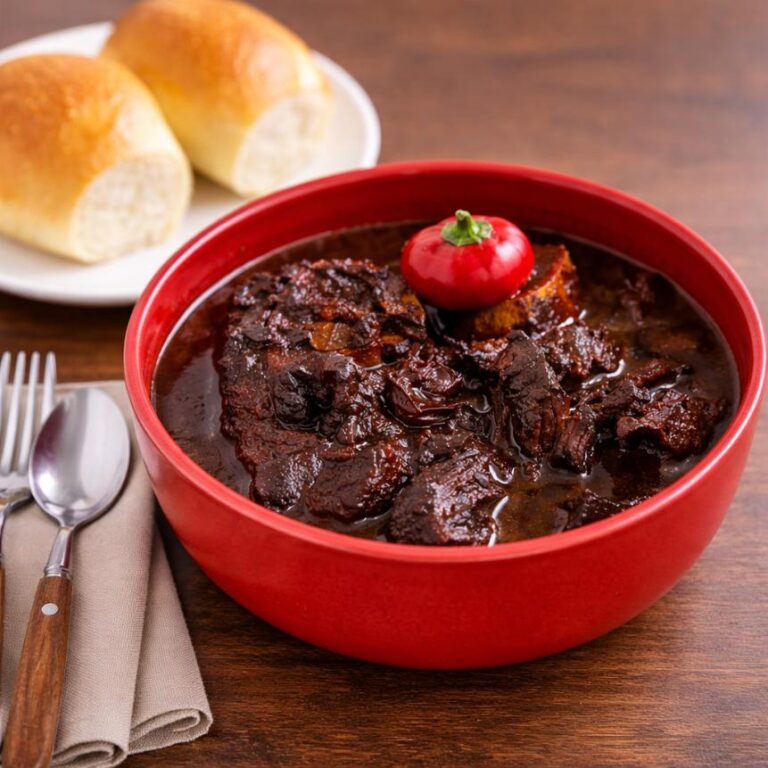
- Pepperpot (National dish) – a dish traditionally served on Christmas morning. It is a delicious slow-cooked meat stew, using brown sugar for colour and flavour. A variety of meats such as cow heel, ox tails, pork, and beef, are mixed with cassareep (extract from grated cassava), and various spices like thyme, cloves, onions, cinnamon, garlic, etc. The ingredients are cooked together until all meats are tender, and tend to taste better if left alone for a few days and then reheated and served with bread.
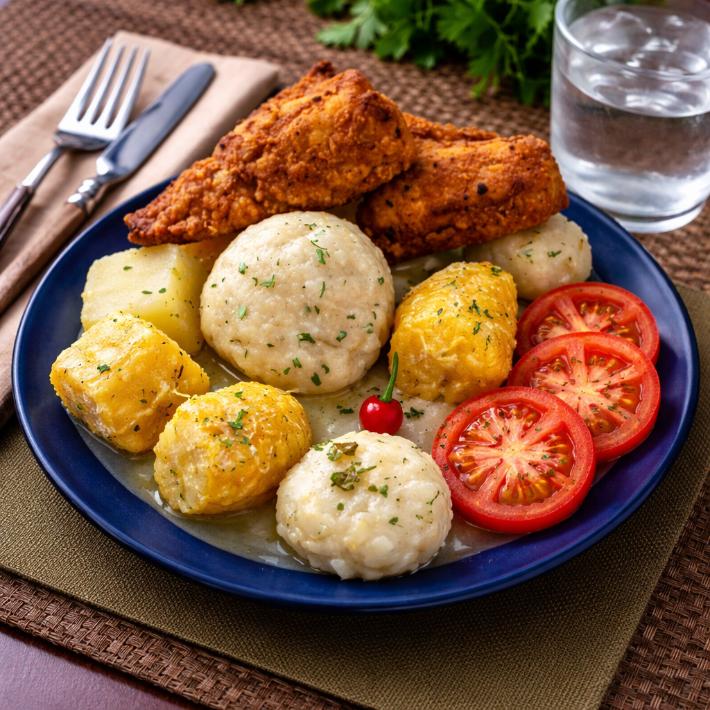
- Metemgee – a hearty one-pot dish made with salted meat, ground provisions (cassava, yams, sweet potatoes, etc.), until the sauce is slightly reduced. They then serve it with a side of fried fish.
- Curries/Roti – a Guyanese staple with many variations of curries such as chicken, duck, or goat, and served with flatbread called roti.
- Doubles – it is a popular street food consisting of two soft, fluffy, fried flat breads called Bara. The “Bara” (made from flour, turmeric, yeast, or baking powder and salt) is accompanied by curried channa (chickpeas), and toppings such as tamarind sauce, cucumber, pepper sauce, and mango chutney.
- Cassava Bread – a traditional food in Guyana made with cassava root, where it is grated, then pressed to extract the juice. After the juice is extracted, the pulp is flattened into thin sheets on a baking stone or pan and baked or toasted, creating a flatbread. This cassava flatbread is chewy and dense, with a slightly sweet flavour, and can be eaten alone or accompanied by cheese or butter.
6 MUST-DO/VISIT SITES OF INTEREST IN GUYANA
- Kaieteur Falls – visit the world’s tallest single-drop waterfall. It is not an inexpensive trip because access is by plane (approximately 45 minutes to an hour flight) via the Eugene F. Correia (Ogle) Airport. It costs a minimum of US$400. However, when you factor in the cost for a taxi to/from the airport and meals for the day, and possibly a tip for your tour guide, it can cost as much as US$500. If you are visiting Guyana on an extended stay and have the funds, it is a definite must-see. However, if you are island-hopping and or on a budget, you might have to skip it, like I did.
- The Amazon Rainforest – because more than 80% of the country is covered by pristine, untouched rainforest. It is a must for nature and wildlife lovers wishing to spot some of the rare wildlife within.
- Essequibo River Tour – a short ride from Georgetown (1–1.5 hours’ drive). This tour offers an insight into the history of the country and involves wildlife spotting. The full-day tour includes explorations of the riverside islands (including Fort Island), waterfalls via river boat. I missed out on this tour due to inclement weather.
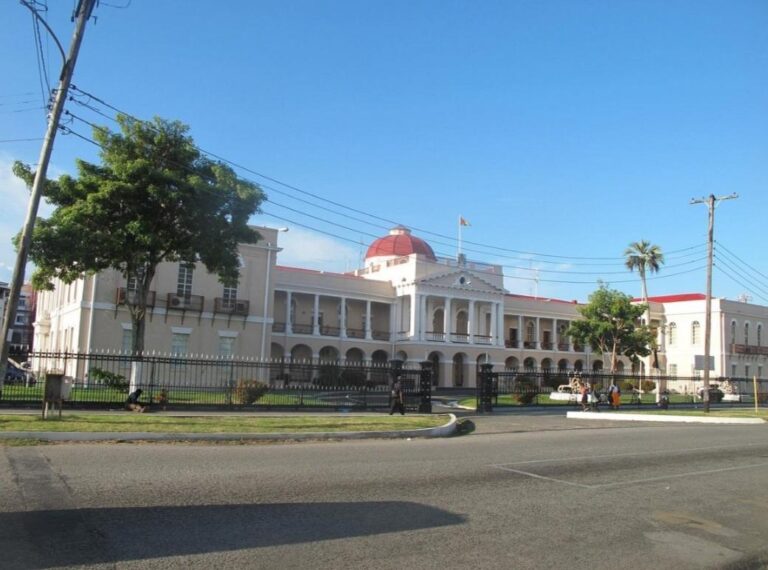
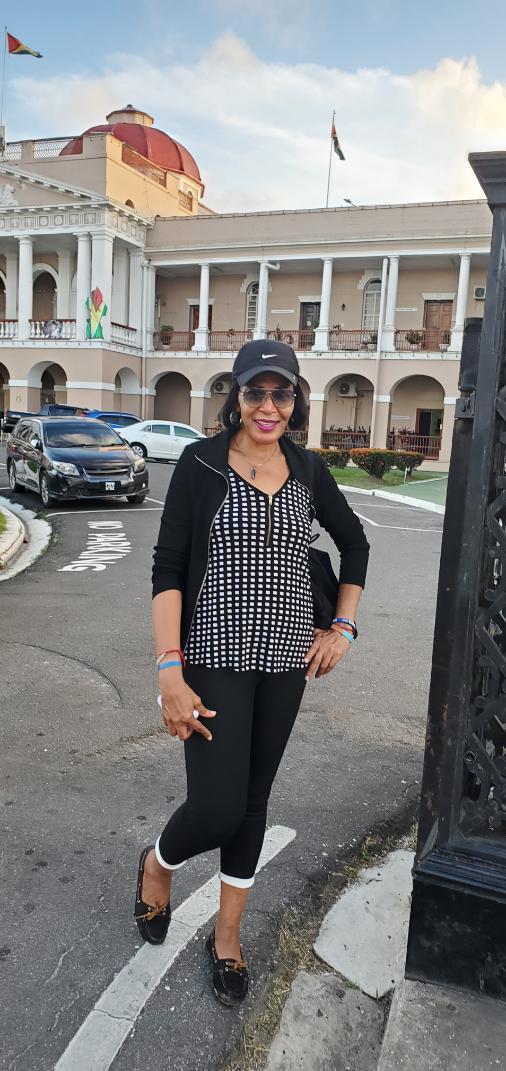
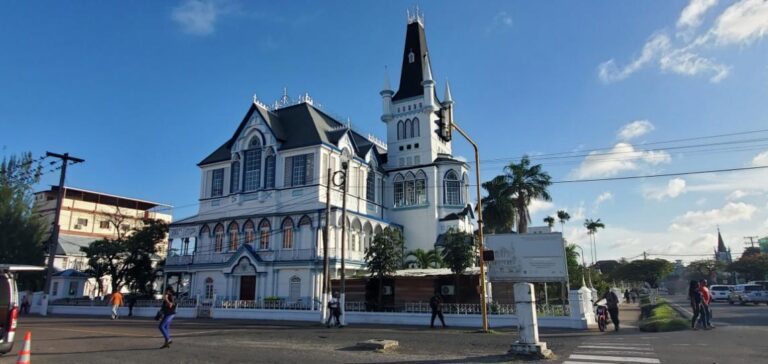
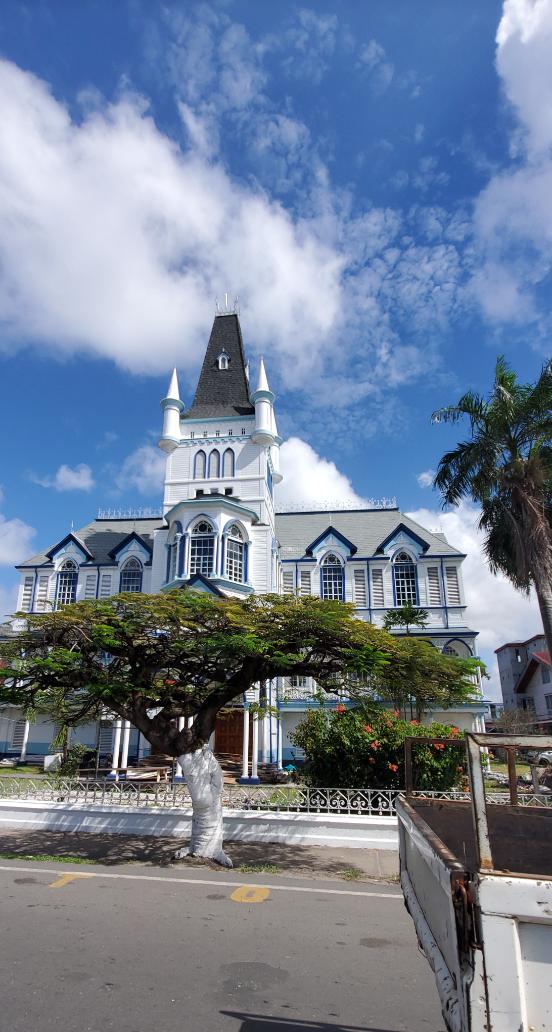
- Stabroek Market – truly the liveliest part of the city, day and night. It is not only for shopping, but the vibe and heartbeat of the city. At evening, it comes alive with live DJs at different locations. Surrounding this market are many shops, restaurants, and hangout spots. Moreover, it is in close proximity to many of the city’s prominent buildings, such as the Parliament, City Hall, St. George’s Cathedral, and others, which are a short walk away.
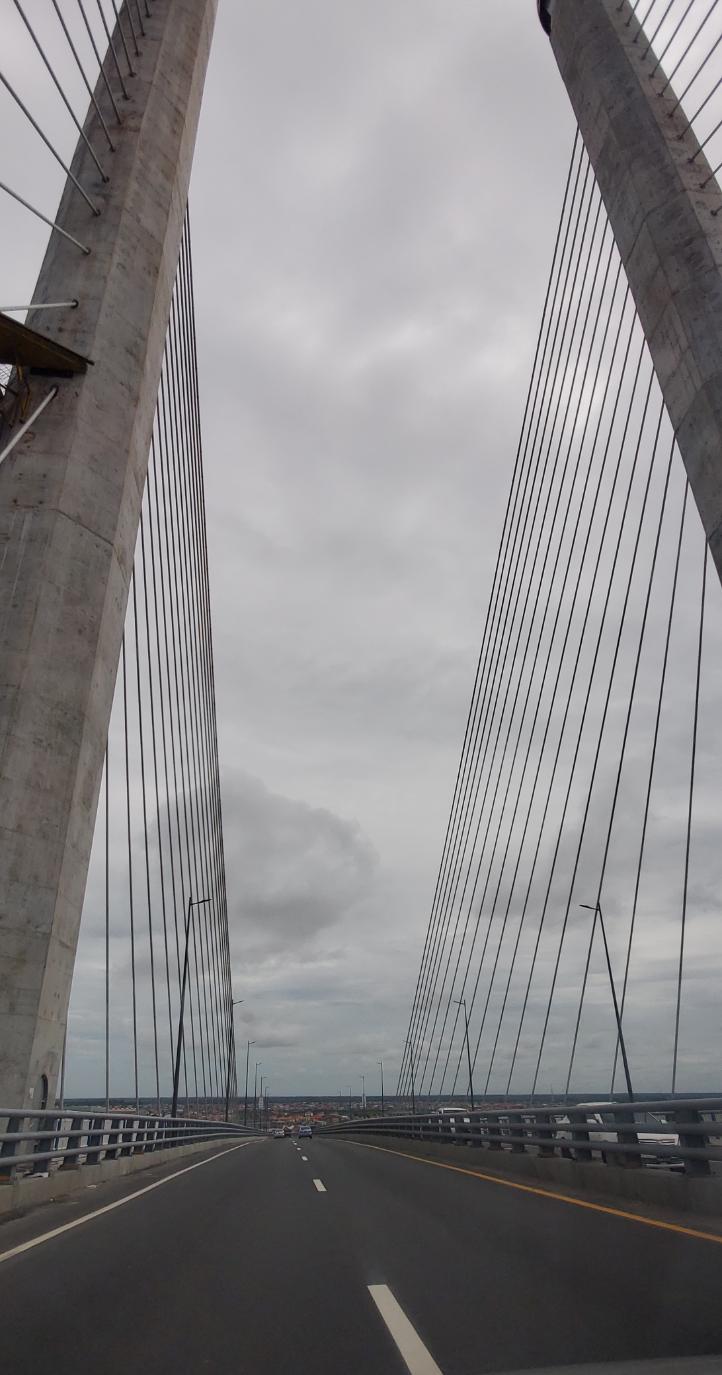
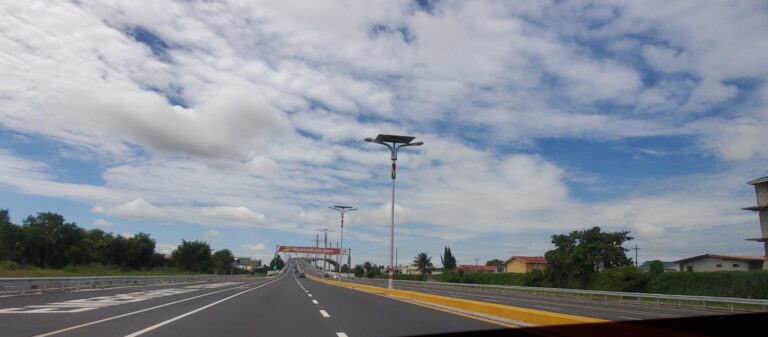
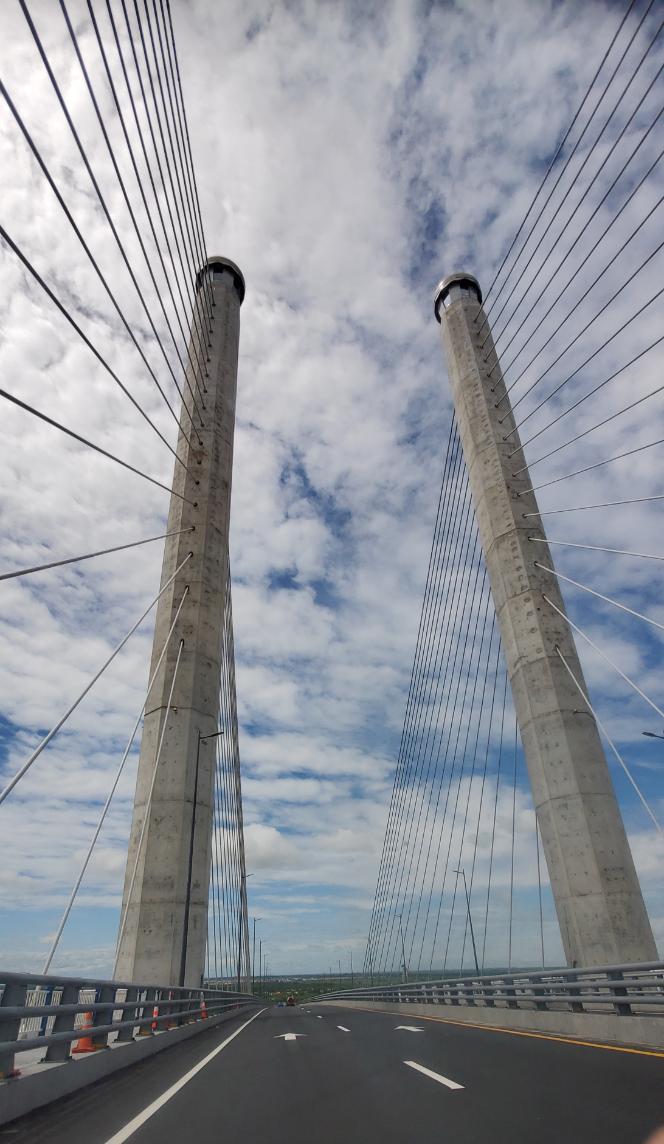
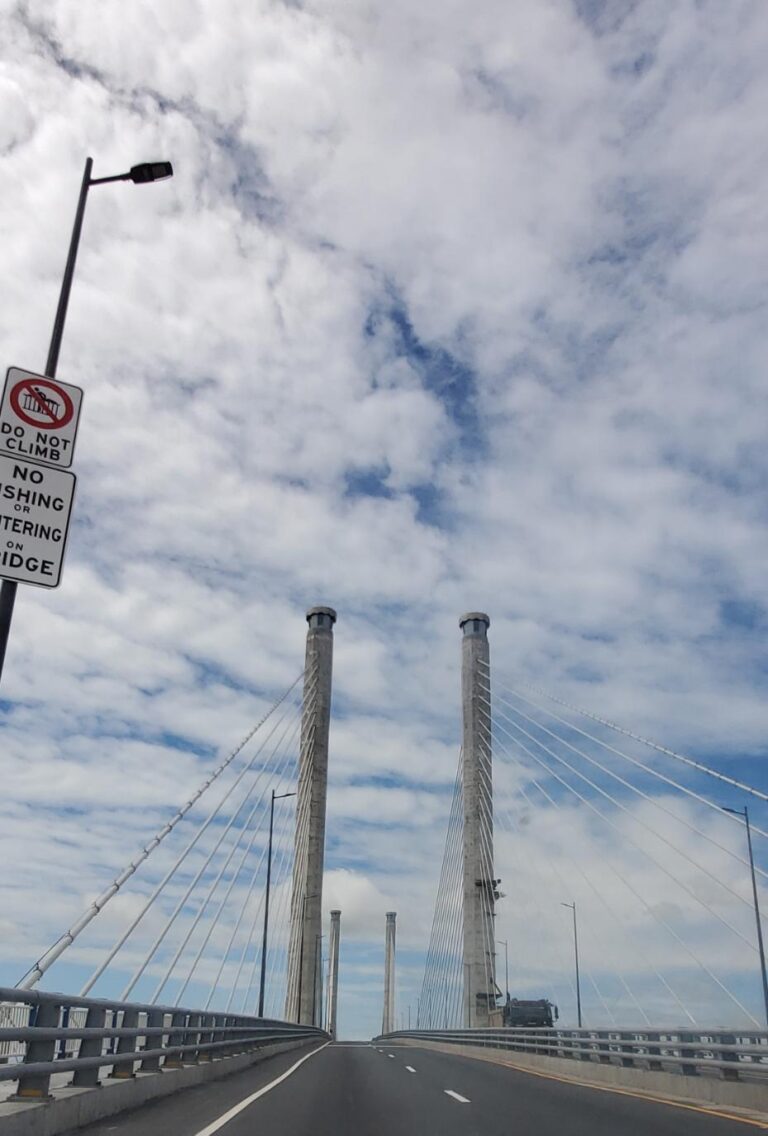
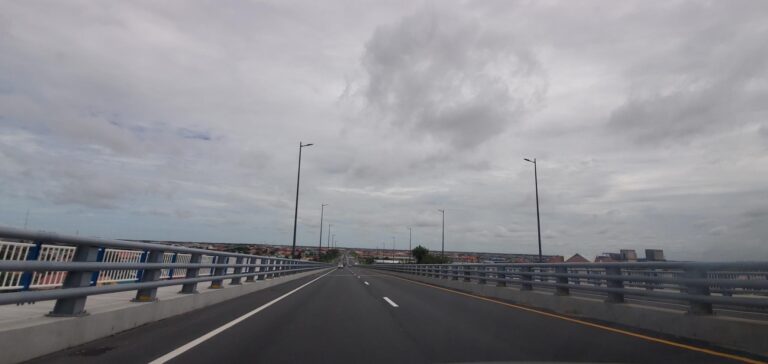
- Bharrat Jagdeo Demerara River Bridge – (named in honour of the ex-president Bharrat Jagdeo), this is Guyana’s latest infrastructure project, which was inaugurated in October 2025 and first of its kind in South America. This floating pontoon bridge is a 1.85 km – 200 km with 61 spans supported by 114 pontoons. Be mindful, that it is prohibited to stop on the bridge for any reason, especially for photography; doing so comes with a fine of Guy100,000. (approximately US$500). Additionally, a full shot of the entire bridge is unlikely because it is a massive structure. The best way to experience it and get up close is to pay for a taxi (minimum US$25) to drive you across it for the best shots. It is truly a beautiful masterpiece.
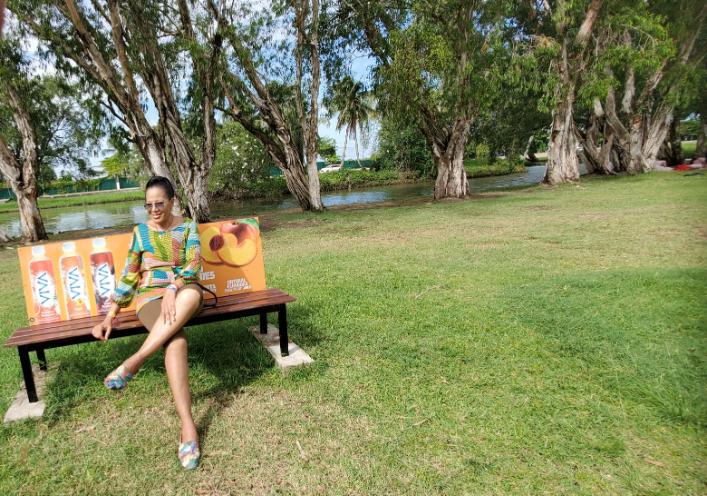
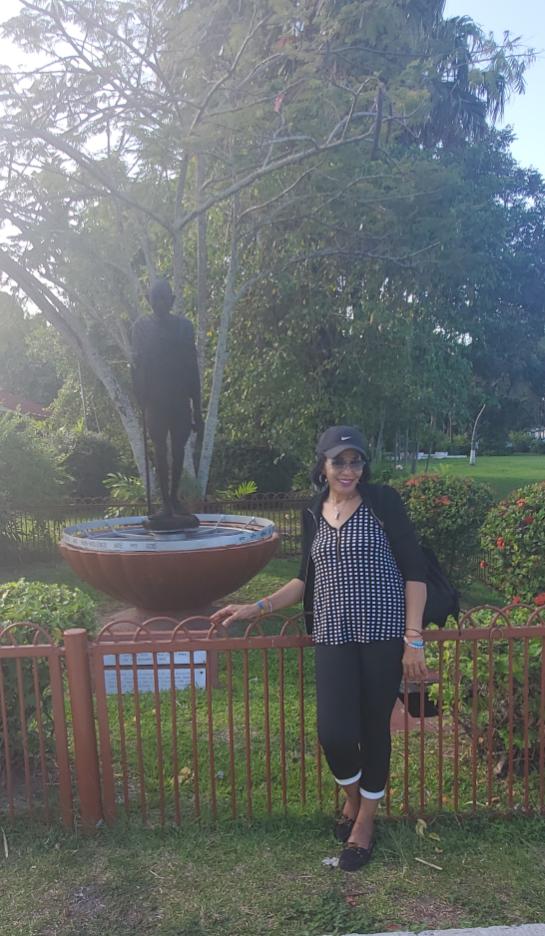
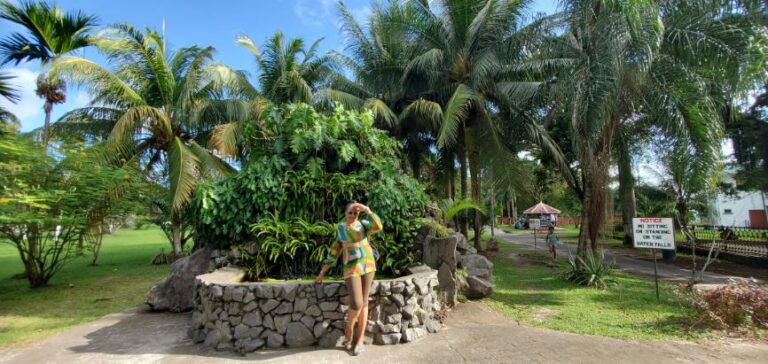
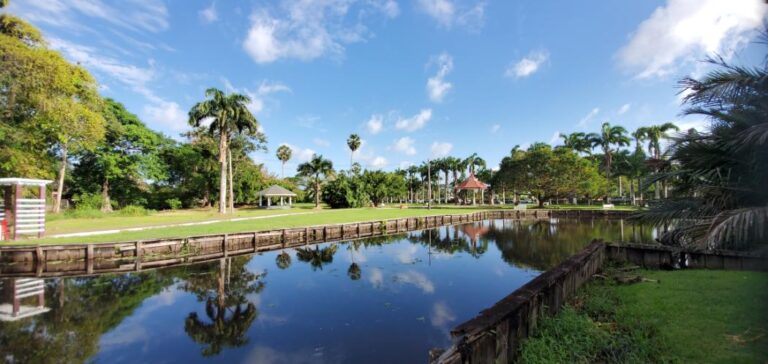
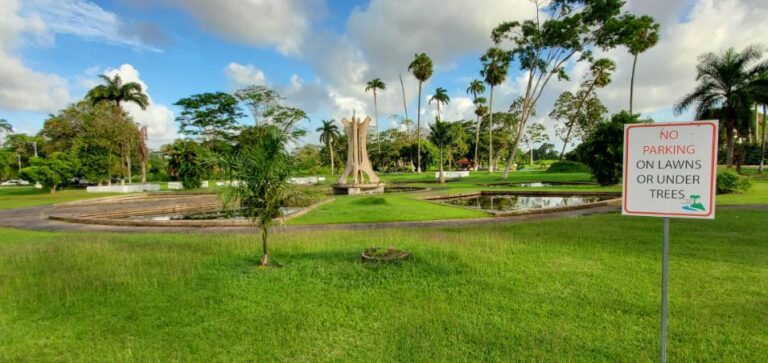
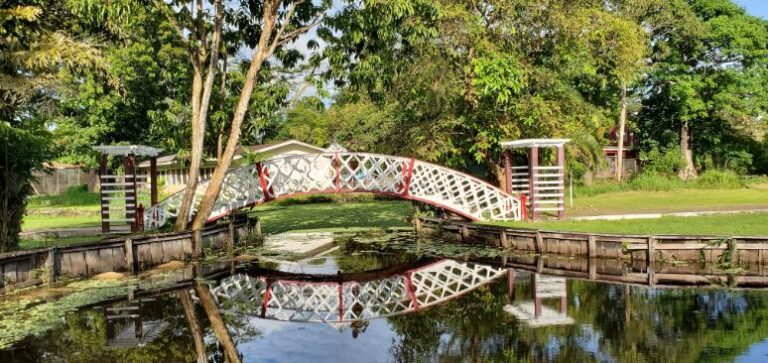
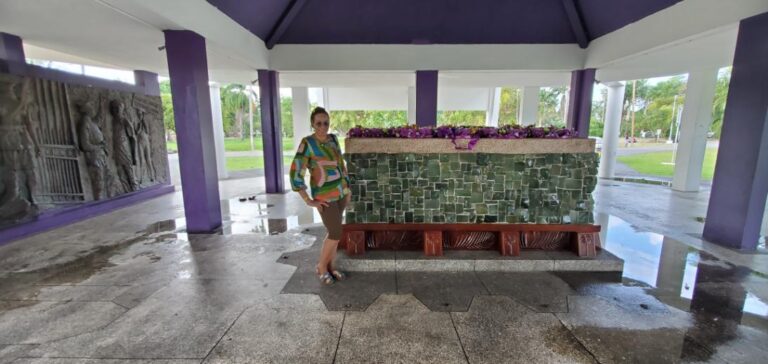
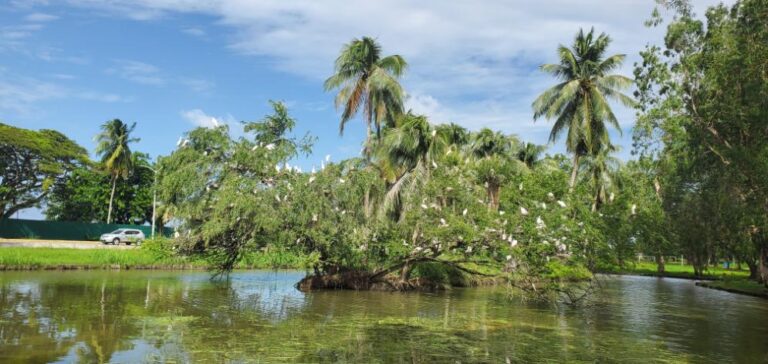
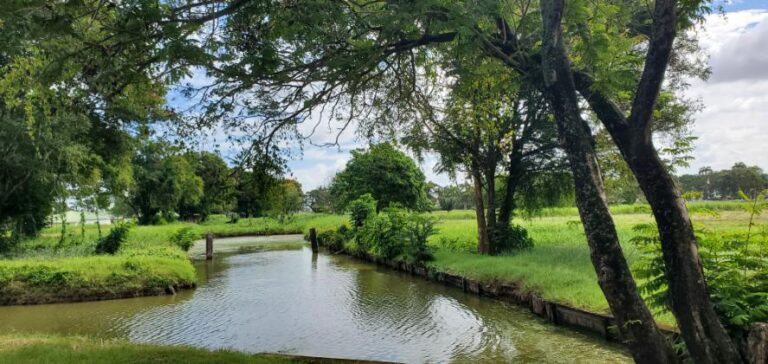
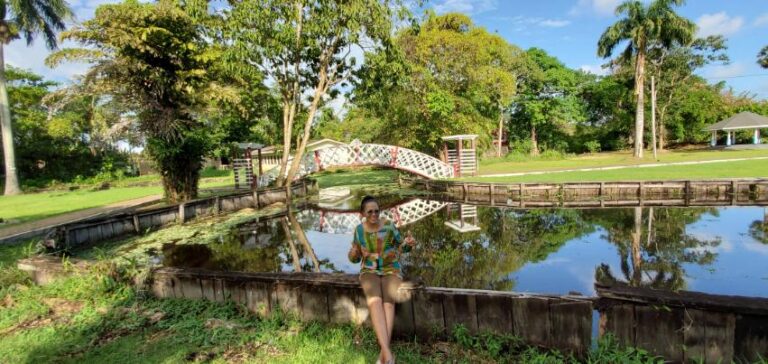
- Guyana Botanical Garden – 78 hectares of lush, green, and pristine tranquil space of tropical flora and fauna, lakes (with manatee), and historical structures. It features the Kissing Bridge, the Place of the Seven Ponds Monument, the Burnham Mausoleum, Jenman House, and a mini zoo (minimal fee to enter). This Botanical gardens and the one in St. Vincent and the Grenadines are among the best I have seen in my travels, and surprisingly, without an admission fee. Besides, it is a perfect spot for wedding photos, especially at the Kissing Bridge and the place of the Seven Ponds.
Steripen – Compact handheld ultraviolet light (UV) water purifier designed specifically for outdoor/travel use. It destroys over 99.9% of harmful bacteria, viruses and protozoa
AirTamer personal Travel Air purifier. Breathe Cleaner Air Everywhere. It emits millions of negative ions that push harmful airborne pollutants and Virus away from your breathing zone thereby creating a sphere of cleaner air.
Guyana, the Land of Many Waters. Cont...
IN SUMMARY
Guyana is not widely promoted as a prime tourist destination like other Caribbean countries, but that does not mean it lacks appeal. On the contrary, it offers rich culture, delicious cuisine, abundant, natural watercourses, modern and historical architecture, great hospitality, and, not to be forgotten, its vibrant and pulsating city life.While it may not have typical white sandy beaches or resort-type tourism, it is perfect for nature lovers, adventurers, hikers, and those seeking a unique experience.
Although not the most budget-friendly destination, it is still accessible with proper planning and travel preferably during the low tourist season. Besides, as I previously mentioned, it is one of the few Caribbean islands I would gladly return to for a longer stay.
Therefore, I highly recommend Guyana, the Land of Many Waters, to all travellers.
Please use the share buttons below on scroll, if you wish to share anything on this page. The + button offers more share icon options when clicked.