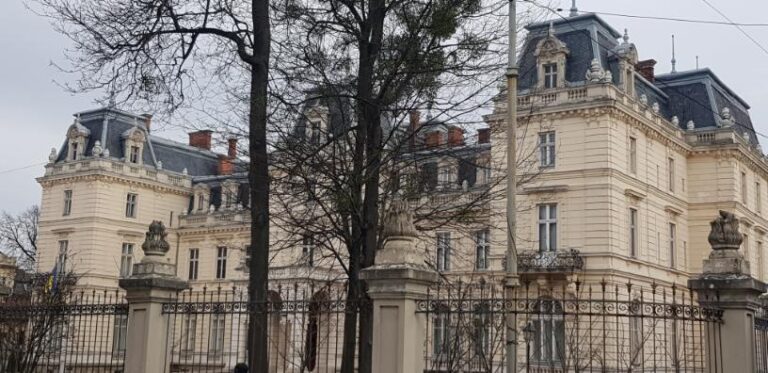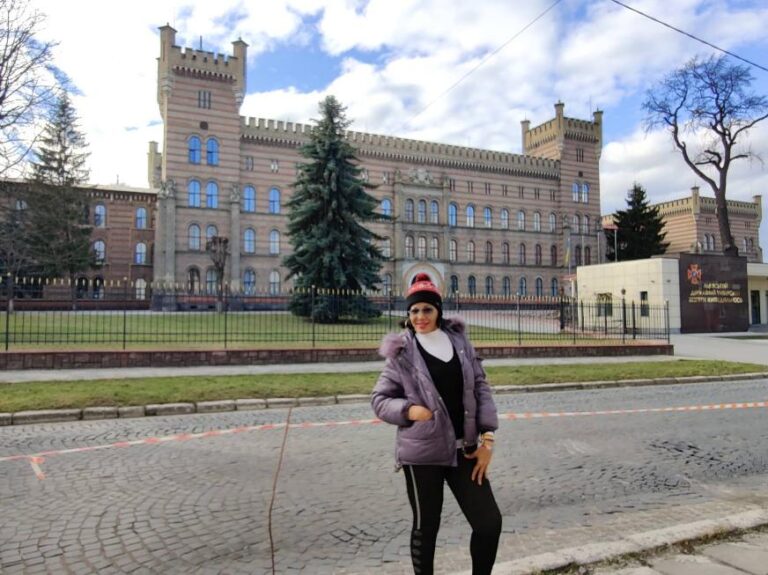
The Unitary, Semi-Presidential Republic of Ukraine is a democratic, Eastern European country. Ukraine/Ukraina pronounced Oo-krah-YEE-nah by the locals, unlike You-Crane in English) is the second largest European country after Russia, and borders Russia, Belarus, Poland, Slovakia, Hungary, Romania, Moldova, and the coastline of the Black Sea. The nation’s capital and largest city is Kyiv (Kiev). Ukraine is predominantly a Christian nation (approximately 88%) with a population of about 42 million. Its main export is agricultural products, including wheat, and as of 2022/2023 ranked fifth among the largest wheat exporters worldwide. Currently, Ukraine is most famous for its fight and resistance against the Russian invasion. Read on for more insights into my visit to Ukraine, the breadbasket of Europe, or precisely Lviv.
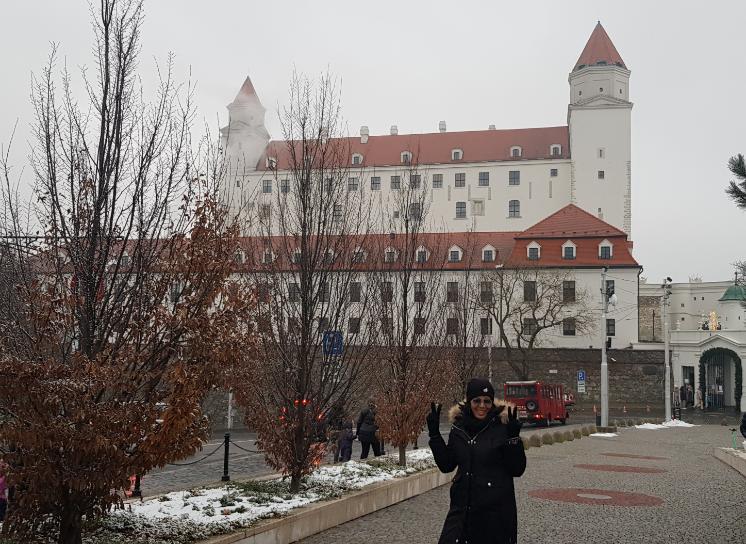
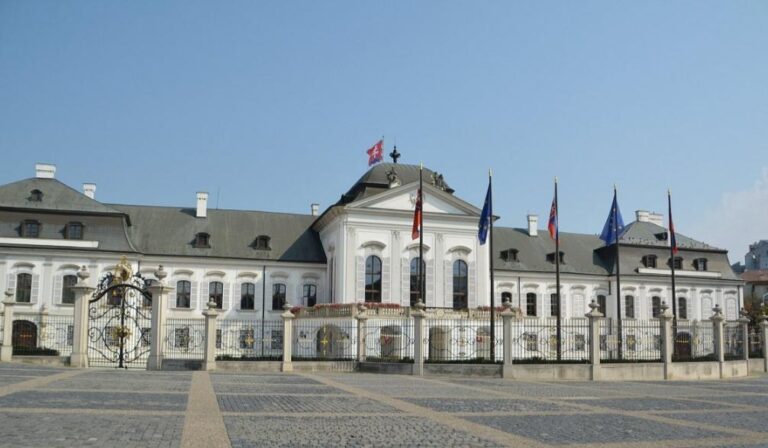
The Republic of Slovakia/Slovak/Slovensko is a small, landlocked country in Central Europe. Consequently, five countries share borders with it, including Ukraine, Poland, Hungary, Czech Republic, and Austria (the closest one, at only 57 kilometers). Its capital is Bratislava. Slovakia is famous for its unique castles, caves, Celtic town (Havranok), architecture, the Podhajska geothermal pool (aka the Slovak Dead Sea), folk dancing, and much more. Slovakia is a developed country with a high-income economy. Moreover, it is home to eight UNESCO World Heritage Sites and has a population of almost 5.5 million. Additionally, services are the largest and primary sector of the economy, but mining, agriculture, and industry remain equally important. Please continue reading to see what it is like to travel to Slovakia, a beauty in the heart of Europe.