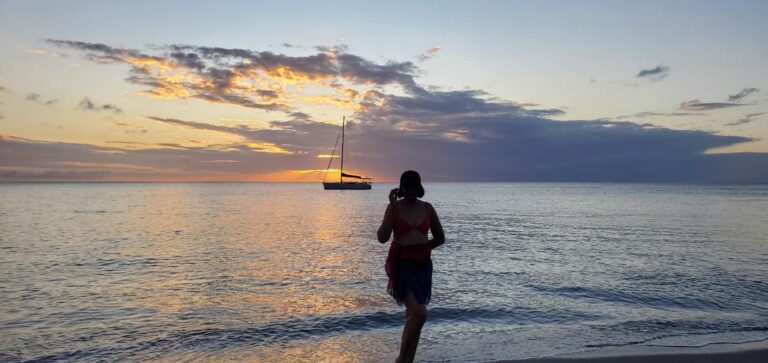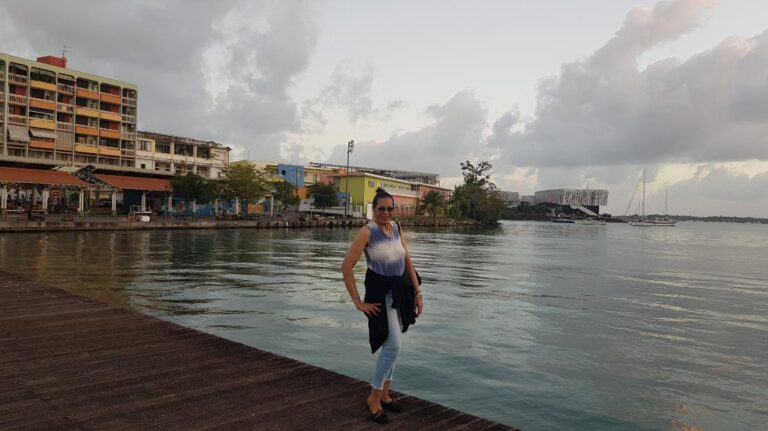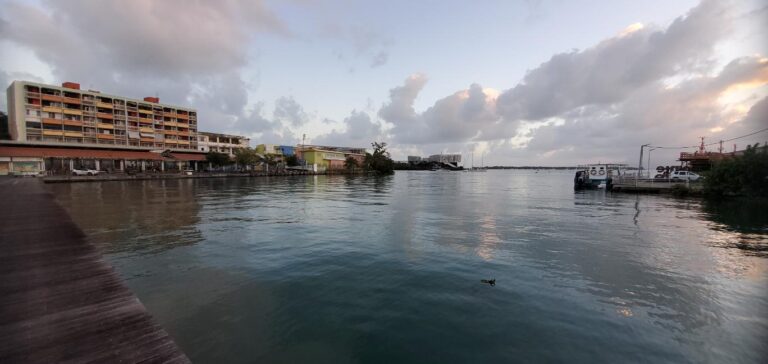
St. Vincent and the Grenadines the Gem of the Antilles
St. Vincent and the Grenadines the Gem of the Antilles Read More »
*******FOR THE LOVE OF TRAVEL********
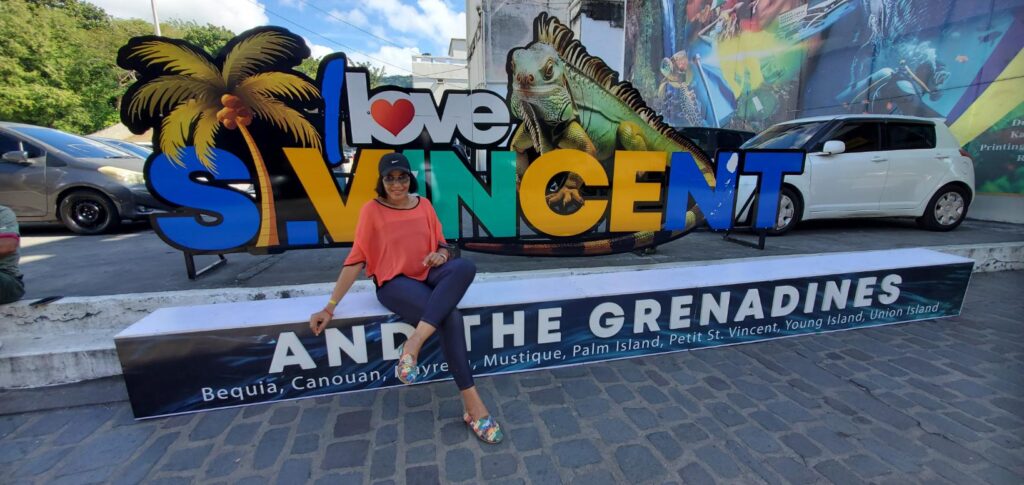
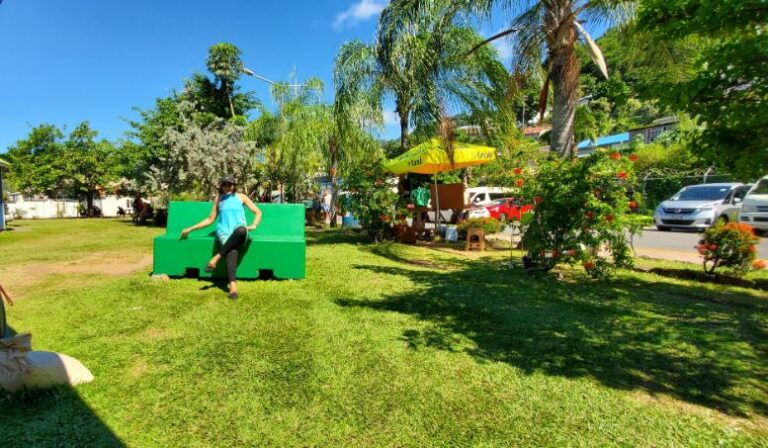
St. Vincent and the Grenadines is an independent, Commonwealth island nation in the Eastern Caribbean. Located in the Windward Islands, it sits south of Saint Lucia and north of Grenada in the Lesser Antilles. The country comprises over 32 islands and cays, with St. Vincent the main island. Its capital is Kingstown, and the population is approximately 100,000.
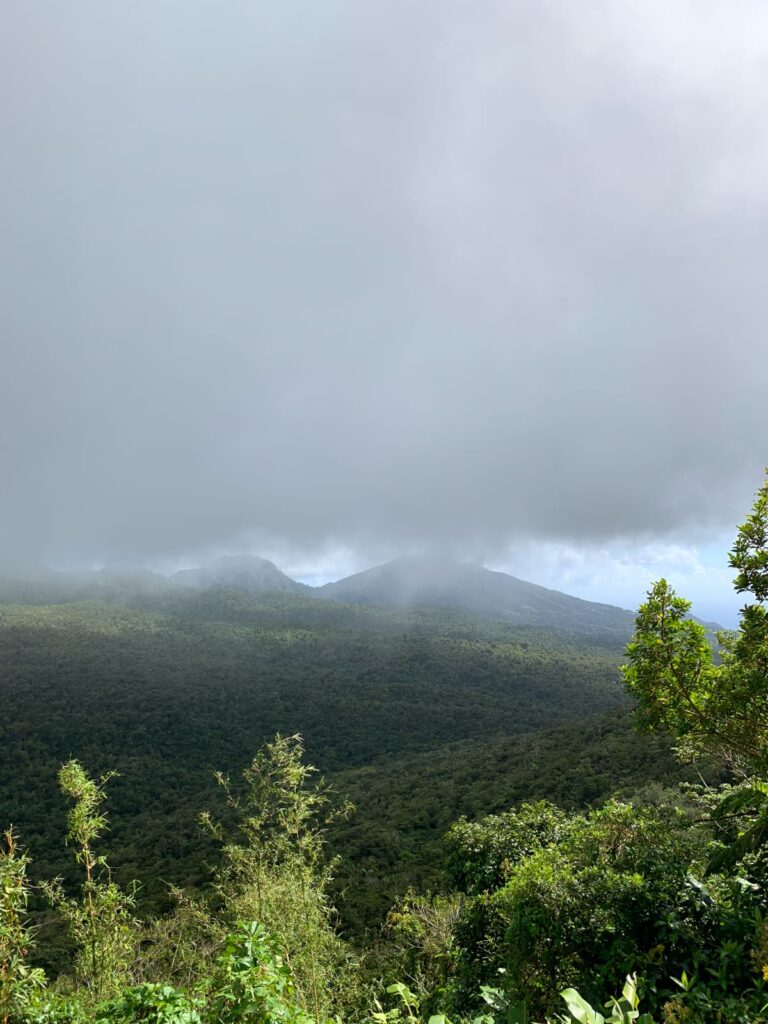
St. Vincent and the Grenadines, the Gem of the Antilles, lives up to its title from its towering La Soufriere volcanic peak to its lush rainforests and striking black and white sand beaches; the landscapes are nothing short of stunning.
In fact, its national flag features three green diamonds in the centre, symbolizing the “gems” of the Antilles.
St. Vincent and the Grenadines the Gem of the AntillesRead More »
St. Vincent and the Grenadines the Gem of the Antilles Read More »
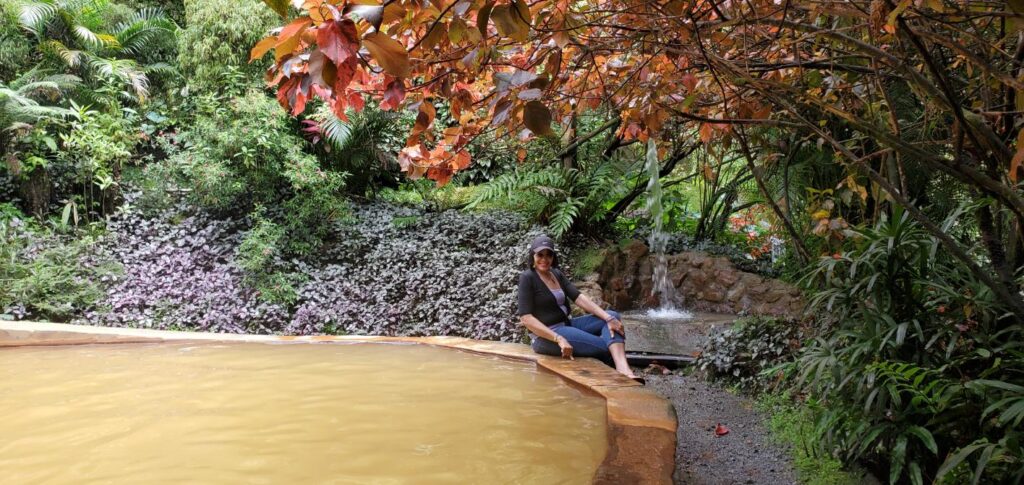
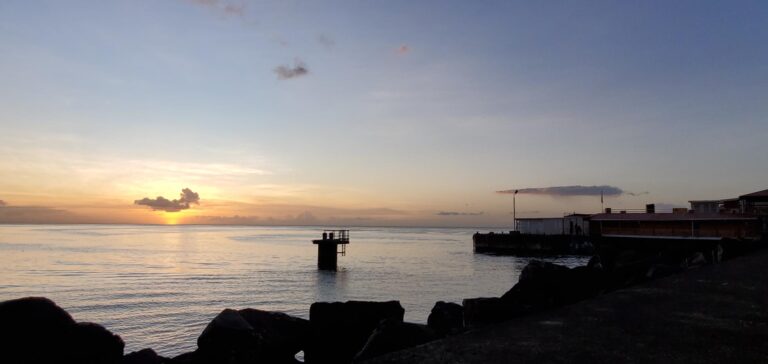
The Commonwealth of Dominica is an independent island country in the Eastern Caribbean, south of the Leeward Islands. It is the northernmost of the Windward Islands, and should not be confused with the Dominican Republic, the Spanish-speaking Caribbean nation that shares a land border with Haiti. Dominica has a population of nearly 73,000, and its capital is Roseau. Why is Dominica the Nature Island of the Caribbean? It truly lives up to its title because of its unspoiled, natural beauty. The island features rainforests, lush valleys, boiling lakes, hot and cold sulfur springs, volcanic peaks, rivers, waterfalls, and springs at every turn.
Unlike many other Caribbean islands, Dominica has not submitted to mass luxury resort tourism. Instead, it maintains an authentic and intimate atmosphere. As a result, its untouched environment is ideal for nature seekers, hikers, and travellers who want to connect deeply with nature. Although the island has beaches, they are not its main attraction. Due to Dominica’s volcanic makeup, most beaches have black volcanic sand (similar in texture to white sand, but black in colour).
Dominica is among the poorer Caribbean islands and has an agriculture-based economy. It produces and sells bananas, citrus fruits, vegetables, and coconuts, and exports soaps, cocoa, coffee, essential oils, and minerals, electronic equipment, and furniture. Please continue reading to learn more about travelling to Dominica, the Nature Island of the Caribbean.
Dominica – the Nature Island of the Caribbean Read More »
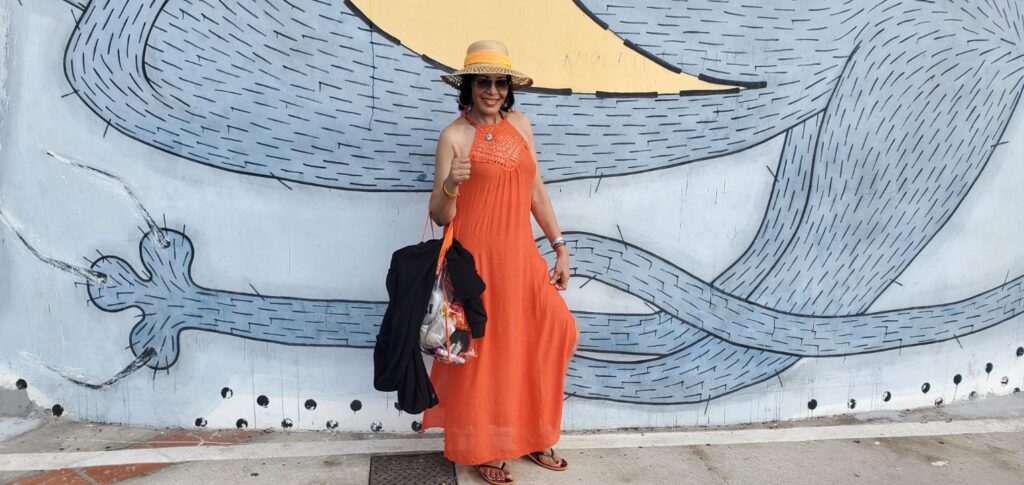
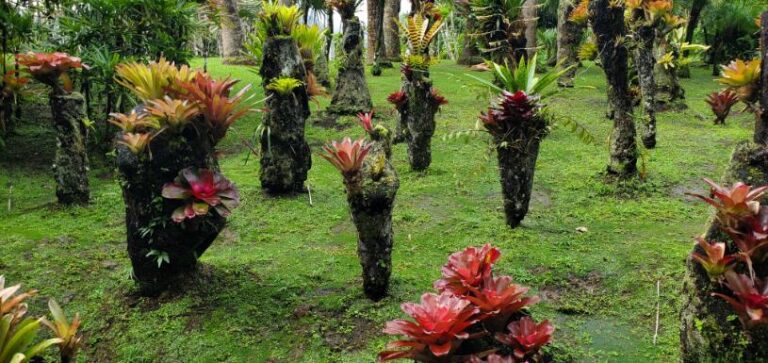
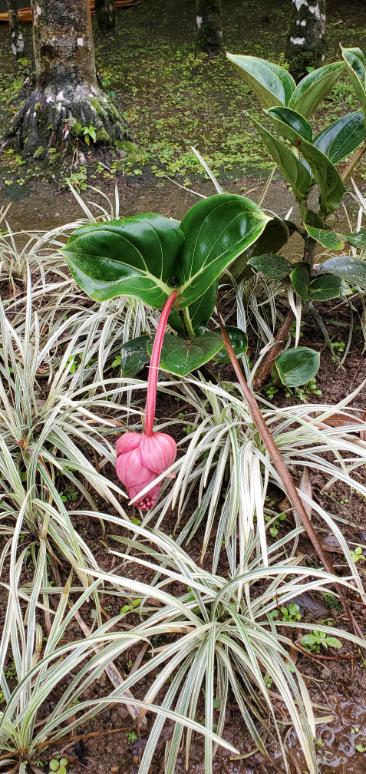
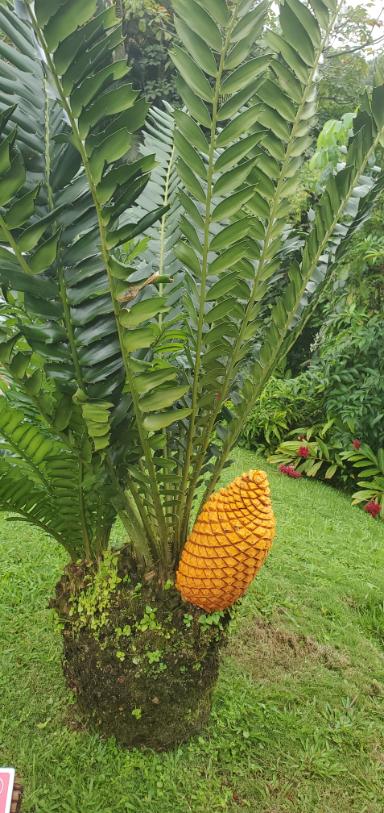
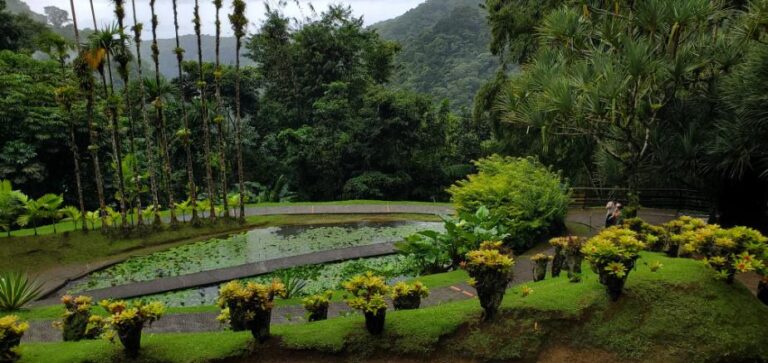
Martinique is a French Caribbean island in the Lesser Antilles. It is located precisely in the Windward Islands, between St Lucia and Dominica. Its capital is Fort-de-France, and it has a population of almost 350,000. Moreover, Martinique is known for its pristine beaches, volcanic landscapes, rich history, and its blend of French and Caribbean cultures. Martinique, the Caribbean Island of Flowers, is so named because its rich volcanic soil and tropical rainfall, create the ideal condition for dense, lush, colourful, and diverse flora to thrive.
Furthermore, the island stands out as one of the Caribbean’s premier destinations because it offers the best of both worlds- modern amenities and pristine, unspoiled nature. Tourism is a primary part of its economy due to its beautiful beaches and natural scenery. In addition, other important industries include rum production, banana farming, sugar cane, and other agricultural products. Please continue reading to learn more about my visit to Martinique – the Caribbean Island of Flowers.
MARTINIQUE, THE CARIBBEAN ISLAND OF FLOWERS Read More »
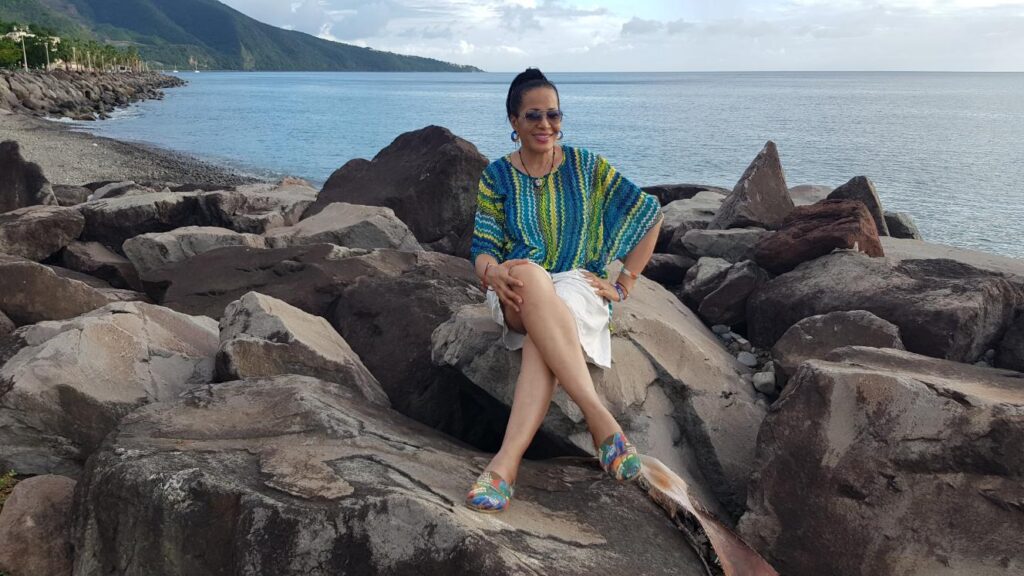
Guadeloupe is a French archipelago, geographically located in the Lesser Antilles, a chain of islands in the Caribbean. It comprises more than twelve islands, six of which are inhabited. The main inhabited islands include Basse-Terre, Grande-Terre, and the smaller islands of Marie-Galante, La Desirade, and the two islands of Iles des Saintes (Terre-de-Bas and Terre-de-Haut). These islands were originally called “Karukera” (the Island of Beautiful Waters) by the Amerindians, specifically the Arawaks and Caribs.
Guadeloupe, the butterfly-shaped isles of the Caribbean, is formed by the two main islands of Basse-Terre and Grande-Terre. Grande-Terre represents the flatter eastern wing, while Basse-Terre forms the mountainous western wing. Between the two islands lies a narrow channel called the Riviere Salee (Salt River), which separates them and, together, forms the distinctive butterfly shape.
Basse-Terre is the official capital of Guadeloupe and is located on the island of Basse-Terre (not to be confused with Basseterre, the capital of St. Kitts and Nevis). However, Pointe-a-Pitre, located on Grande-Terre Island, is the largest city and the economic and administrative hub of Guadeloupe. As of 2025, Guadeloupe’s population is almost 400,000, and its economy relies on agriculture, light industry, tourism, and services. Please continue reading to learn more about my trip to Guadeloupe, the butterfly-shaped isles of the Caribbean.
Guadeloupe, the butterfly-shaped Isle of the CaribbeanRead More »
Guadeloupe, the butterfly-shaped Isle of the Caribbean Read More »
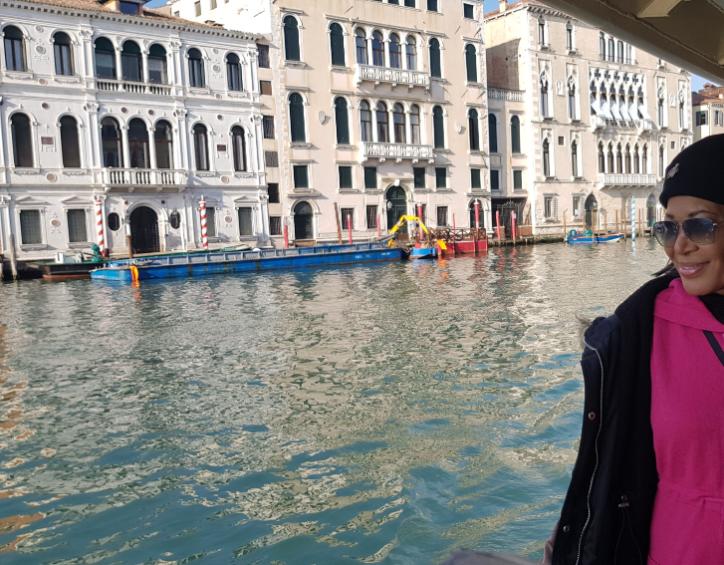
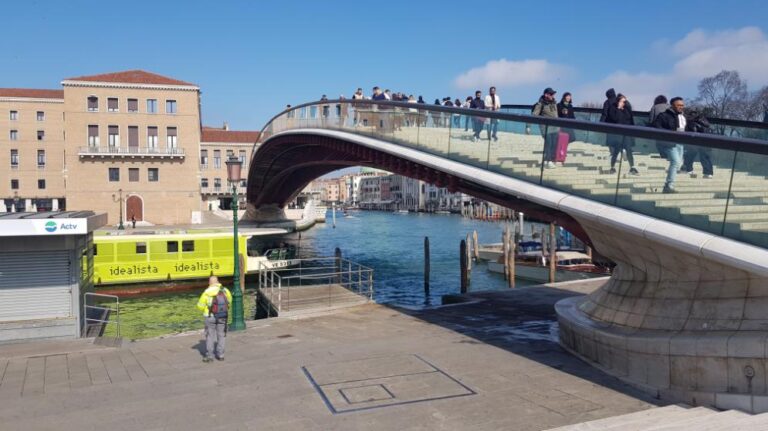
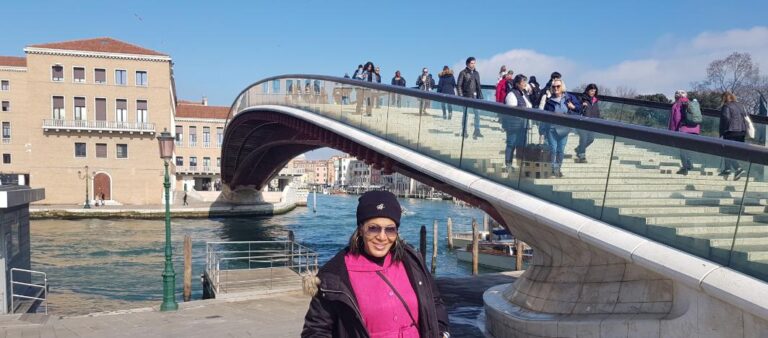
Venice is a major seaport in northern Italy, and the capital of both the province of Venezia and the Veneto Region. It is the 11th largest city in Italy by population. Venice, Italy’s floating city is also known by a few other names, including the city of canals. Moreover, the historical center has no “drivable” roads for cars or motorbikes, just canals that crisscross the city (in “S” shapes). Furthermore, the Grand Canal, the largest and most prominent of all canals, is also one of the most romantic places in Italy.
Venice’s best and main form of transport in the historic centre is the unique and colourful Gondolas. Although outnumbered by other water ferries, they remain the symbol of Venice. From across the Grand Canal on both sides of the canal, there are many Gothic and restored palaces and squares. Moreover, in 1987, they collectively designated Venice and its Lagoons a UNESCO World Heritage Site. Please keep reading to learn more about my short visit to Venice, Italy’s floating city.
VENICE – ITALY’S FLOATING CITY Read More »
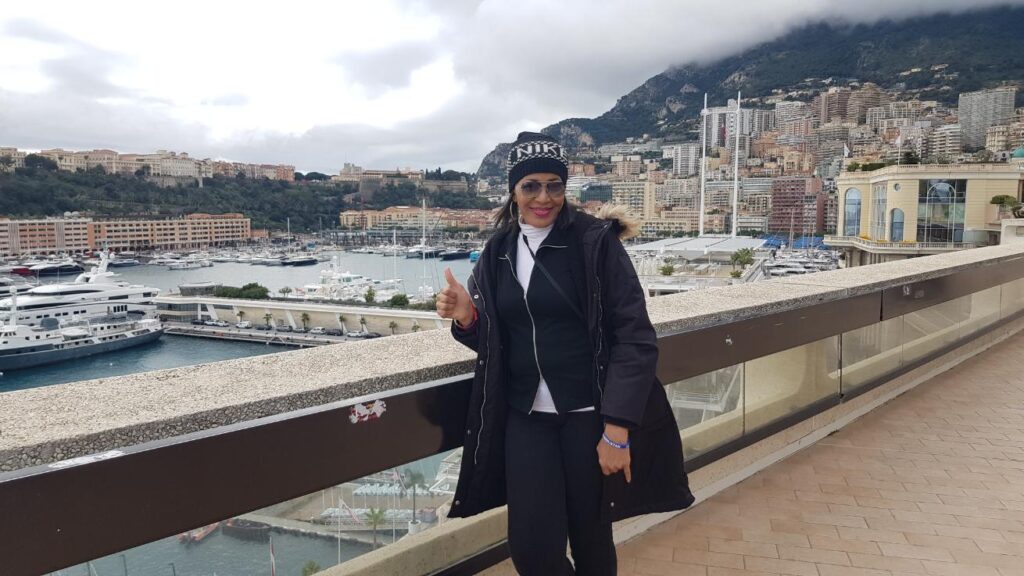
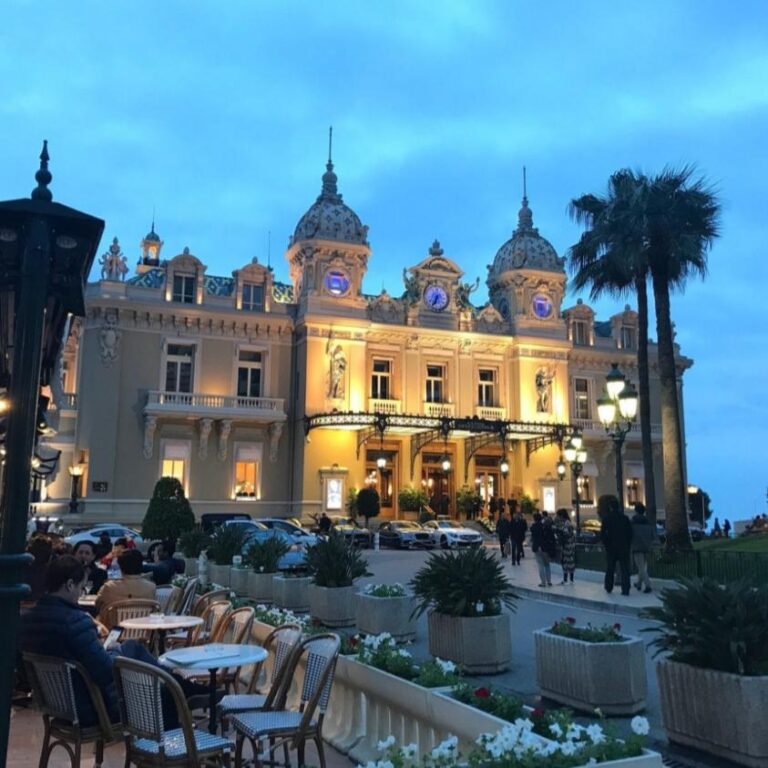
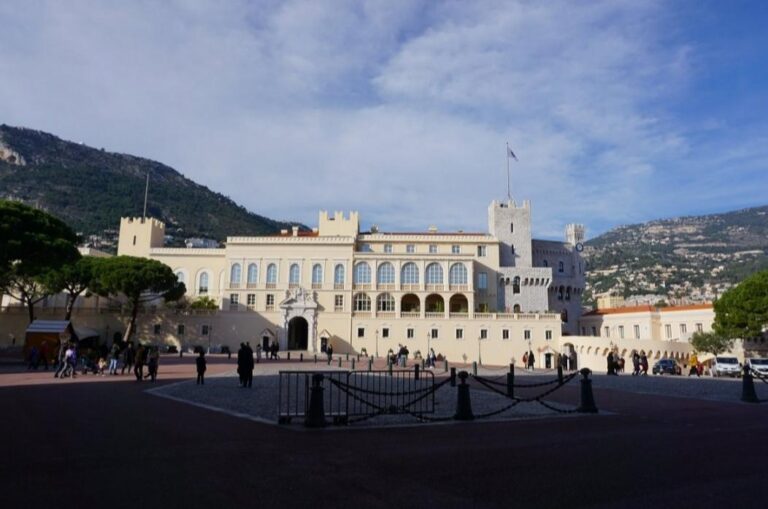
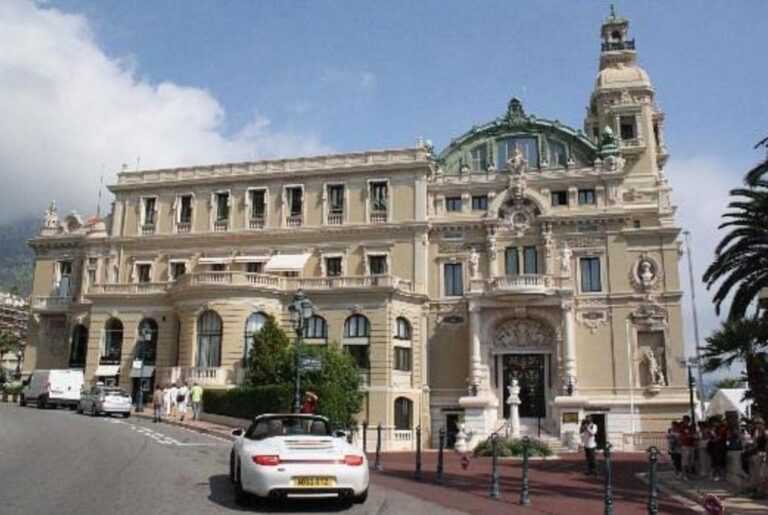
The Principality of Monaco is a sovereign country on the French Riviera in Western Europe. The Sovereign Prince of Monaco is the Head of State (Prince Albert II) and the Prime Minister is the Head of the government. The country borders Italy, France (on three sides), and the Mediterranean Sea. Moreover, Monaco, the second-smallest country on earth, measures (2.1 square km) after Vatican City is also an independent state. Monte Carlo is its capital, and its population is about 38,000. Monaco is a prosperous, glamorous, sophisticated, and luxurious micro-state and a playground for the wealthy. It boasts of being the home of the most luxurious Casino worldwide and hosting the annual Formula One Grand Prix.
Monaco is known for its luxurious lifestyles, beautiful beaches, rich history, and culture. However, despite its tiny size, Monaco is a powerhouse, and is one of, if not the wealthiest country worldwide, according to its GDP per capita. Its economy mainly relies on the service industry, especially gaming, tourism, and finance. Consequently, most of its revenue comes from Postage Stamp sales, liquor and tobacco taxes, and property/business registration fees. Please continue reading to learn more about my visit to Monaco, the second-smallest country on earth.
MONACO, THE SECOND-SMALLEST COUNTRY ON EARTH Read More »
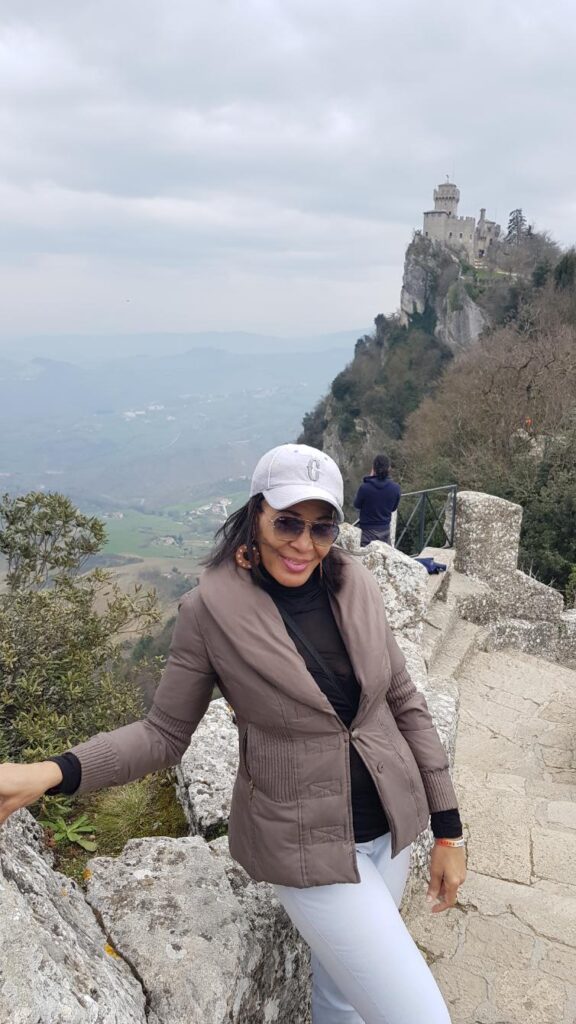
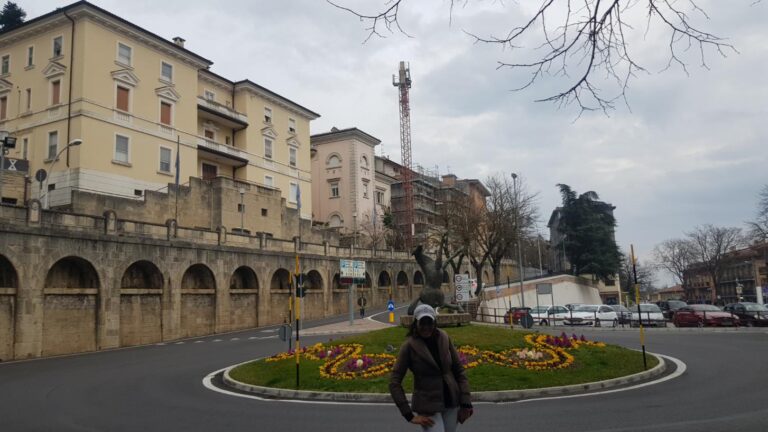
The Democratic Republic of San Marino, known as the world’s smallest and oldest constitutional republic, is a developed landlocked European country. It has a population of almost 34,000 and its capital is San Marino City. The city is set high on the western slopes of Monte Titano/Titan and is listed as a UNESCO World Heritage site. The country is about 10 kilometres from the Adriatic Sea and surrounded by Italy. It was founded in AD 301 (4th century) by Saint Marinus, a stone mason, and has maintained its identity for more than a millennium. San Marino is the third-smallest country in Europe (Vatican City – the smallest country in Europe). It is a serene, hilly country with no substantial flat lands, and thrives on agriculture (products are wine and cheese), banking, and tourism. It exports fabric, clothing, ceramics, coins, and postage stamps (keenly sought by collectors), which are also important sources of revenue. Please keep reading to learn more about San Marino, the world’s oldest republic.
San Marino – the World’s Oldest Republic Read More »
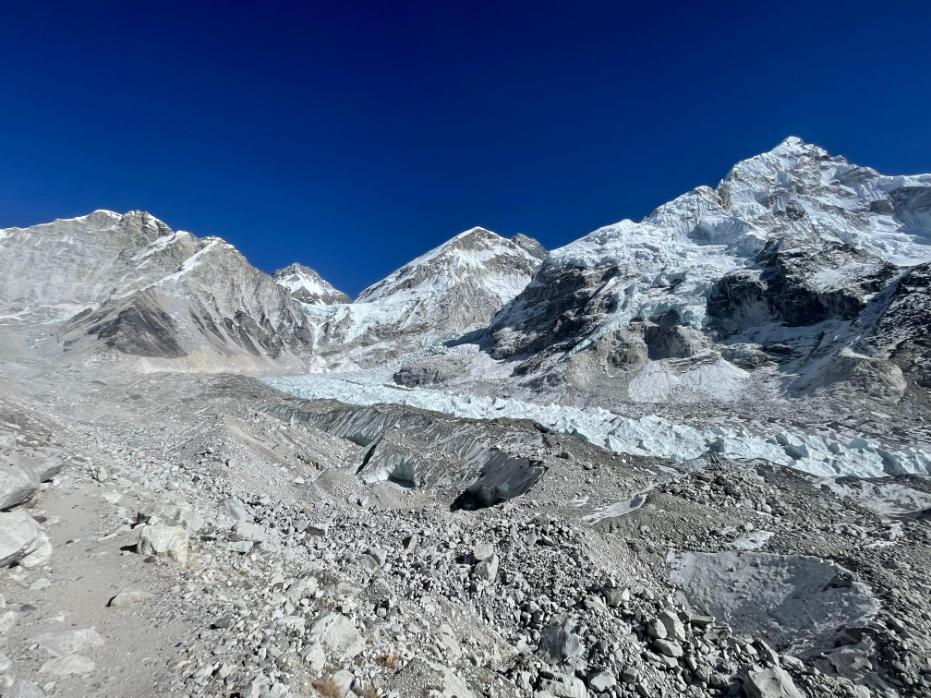
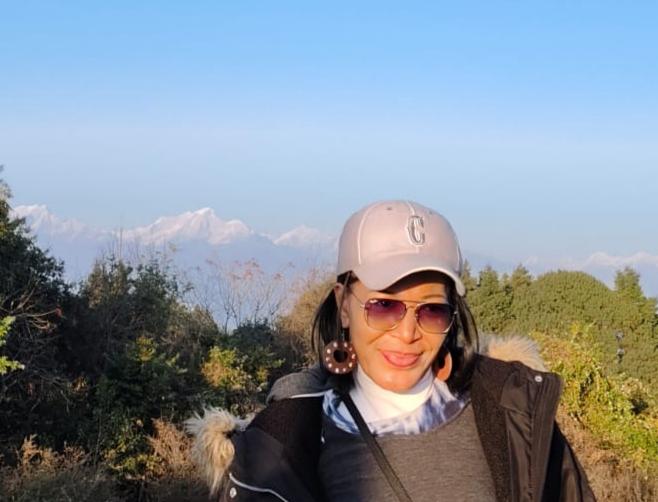
The Federal Democratic Republic of Nepal is a landlocked country between India and China in South Asia. Its population is almost 31 million, and its capital and biggest city is Kathmandu. They call Nepal “the ceiling of the world” because it has eight of the highest mountains on earth, including its most famous Mount Everest. Moreover, Nepal is ideal for thrilling adventures and sport tourism. It offers activities such as mountaineering, paragliding, kayaking, and high-altitude marathons. Further, the largest religion in Nepal is Hinduism (more than 80%), Buddhism is second, and a significant minority of Muslims, and Christians. Nepal’s main exports are textiles, carpets and rug mills, cement, cigarettes, juices, iron, steel, palm oil, honey, and clothing. However, tourism is one of its main money earners. Besides this, it also cultivates Wheat, Millet, Maize, Paddy, Barley-rice, and even potatoes and apples. Please continue reading to learn more about Nepal, the home of Mount Everest.
NEPAL, THE HOME OF MOUNT EVEREST Read More »
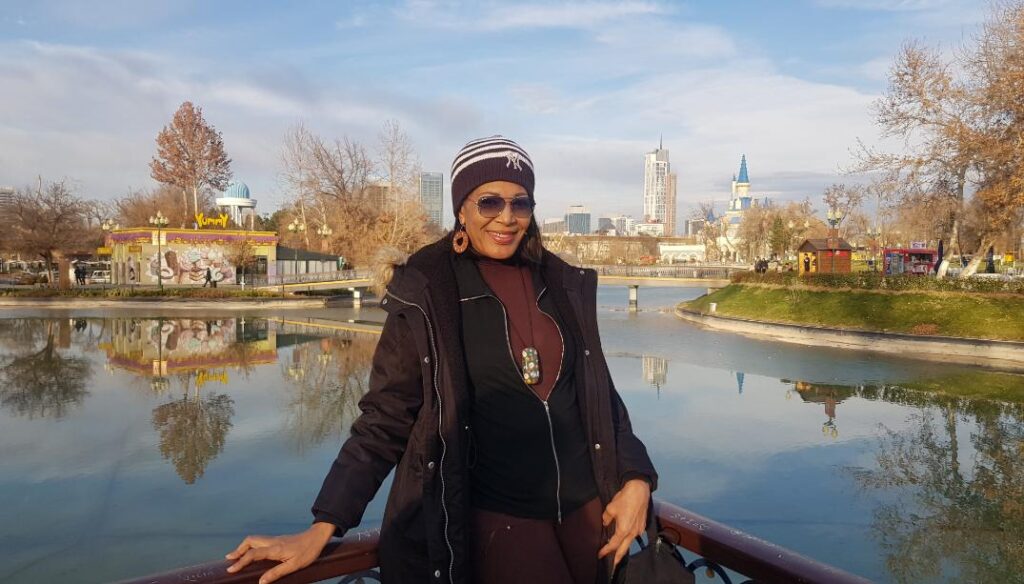
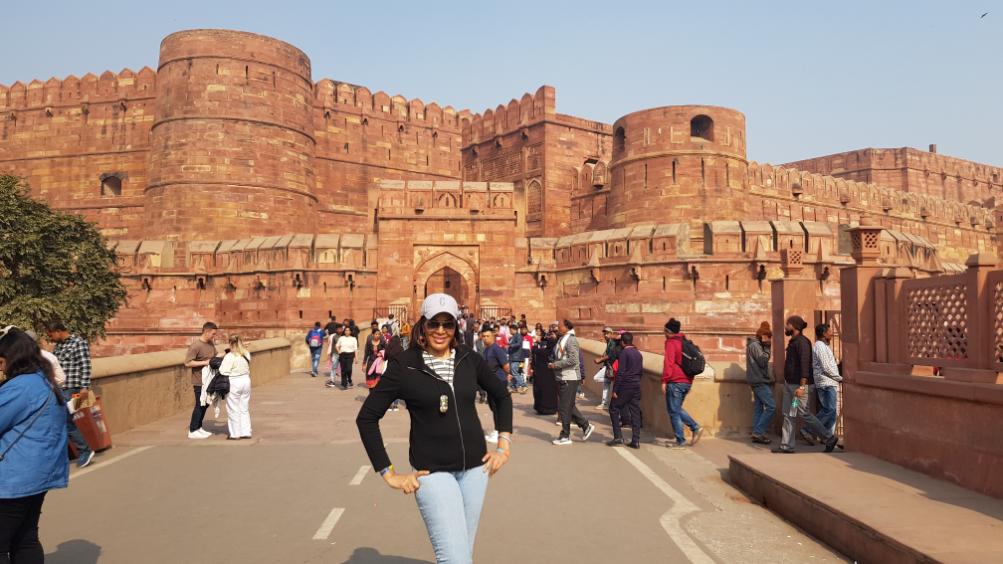
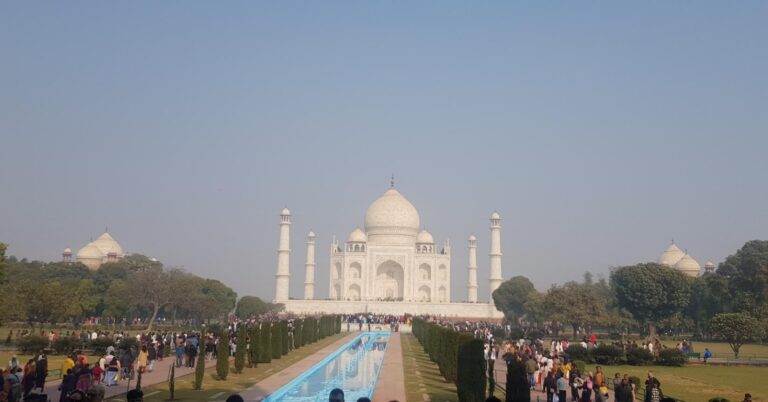
The Federal Republic of India is a country in South Asia and its capital is New Delhi. It is the world’s seventh-largest country, by area, and the world’s most populous, with over 1,461 billion people (recorded in 2025). India borders, Afghanistan, Pakistan, Bhutan, Nepal, China, Bangladesh, and Myanmar. It is a unique country with vibrant colours, exotic spices, rich history and culture, and breathtaking landscapes. Moreover, India has a secular, multi-cultural, multi-ethnic, and multi-religious society. Its religious composition is as follows; 80% Hindus, 14 % Muslims, over 4% Christians, over 1% Shikhs, and Buddhists, Judaism, Zoroastrian, and Jain in the minority. Therefore, it is a multi-religious society that celebrates festivals and holidays of various religions. To date, India’s biggest exports are petroleum products, followed by gems, jewellery, textiles, garments, pharmaceuticals, dairy products, chemicals, cars, and tea. However, their export list is endless with other products including leather, cotton products, rice, wheat, jute, etc. Please continue reading to learn more about my visit to India, the most populated country on earth.
❤❤ I wish to pay respects to my dearest Mother and my “bestest” and no. 1 friend and confidant, critic, commenter, first to read my blogs and books, and 100% gentleman Joel Dessaints (Canada). Jay, I wish that wherever you are, you are reading one last time. Rest in Peace to you both!! (They both passed away just before their birthdays). I am still trying to recover, so please give me space and time…hence why I didn’t mention this before. My writing is my only coping mechanism at this time. THANKS!! ❤❤
India – The Most Populated Country on Earth Read More »
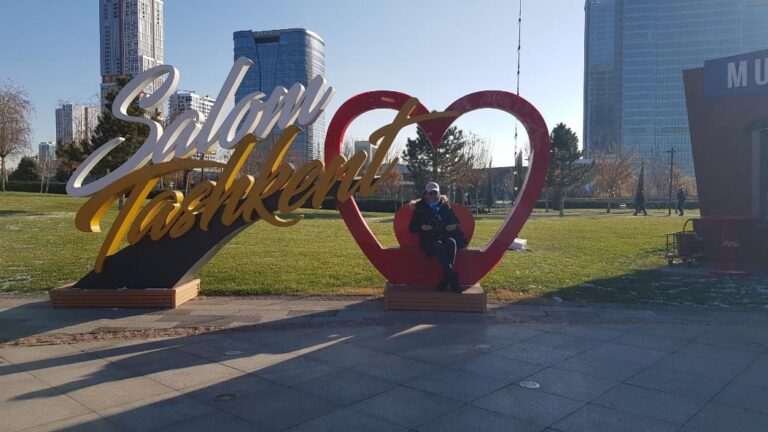
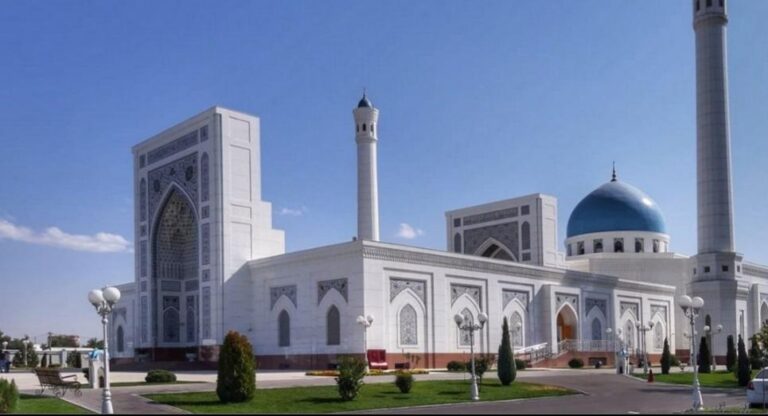
The Republic of Uzbekistan is a Central Asian nation and a former Soviet Republic. Its capital and biggest city is Tashkent, and has a population of over 35 million people.
Geographically, it is in the heart of Central Asia and surrounded by Tajikistan, Kyrgyzstan, Afghanistan, Kazakhstan, and Turkmenistan. It is one of the only two doubly-landlocked countries on earth, with Liechtenstein, the least-visited country in Europe, being the second. (Landlocked means no access to the sea or the Atlantic, so doubly-landlocked means surrounded by other landlocked countries). Uzbekistan is a predominantly Islamic country with more than 80% Muslims (the majority regarded as Sunni Muslims). It is best known for its mosques, mausoleums, and other sites linked to the “Silk Road” (the name of the lucrative trade in silk trade route between China, the Mediterranean, and other major cities). Its economy is dependent on agriculture and it is one of the largest cotton growers worldwide. Besides this, it also cultivates, grapes, vegetables, and wheat, and raises animals, including goats, sheep, and cattle. Additionally, Uzbekistan’s land produces natural gas, oil, gold, copper, and other minerals. Read on to learn more about my visit to Uzbekistan, the country in the heart of Central Asia.
Uzbekistan, the Country in the Heart of Central Asia.Read More »
Uzbekistan, the Country in the Heart of Central Asia. Read More »